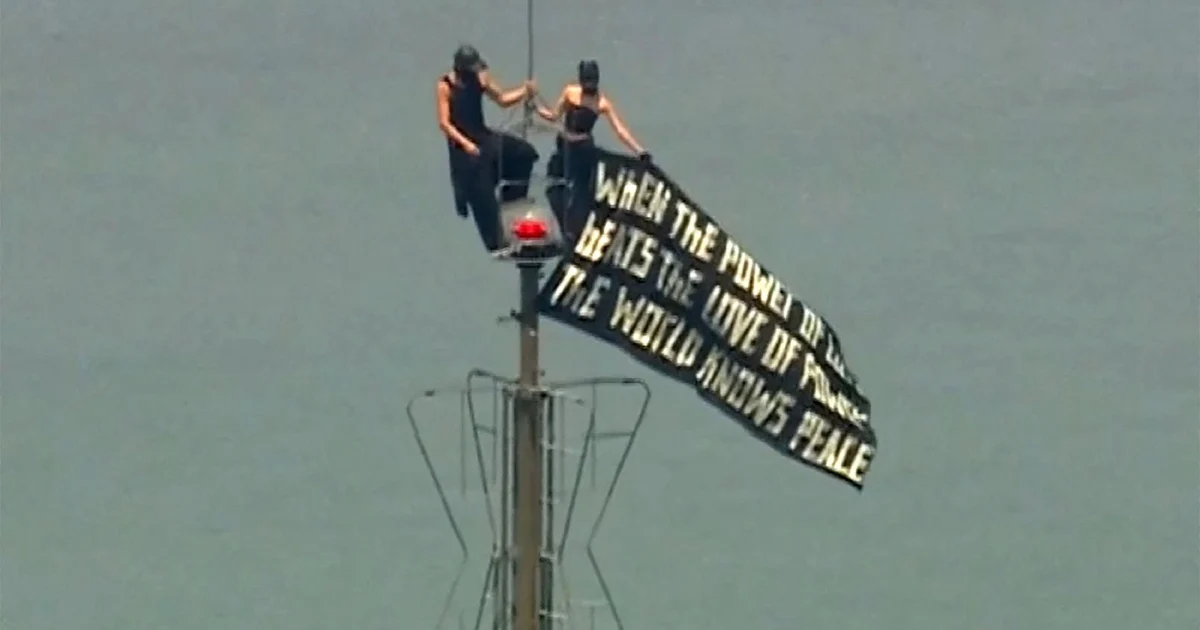
A daring climbing stunt at one of America's most recognizable landmarks has resulted in arrests and sparked renewed discussions about security at high-profile tourist attractions. On Wednesday, two people successfully ascended the antenna structure crowning the Empire State Building in Manhattan, drawing immediate attention from authorities. The incident appears to have been orchestrated as an engagement proposal, though it left law enforcement and building management grappling with the security implications of the unauthorised ascent.
The Empire State Building, which stands as one of New York City's most visited attractions, welcomes approximately four million visitors annually through its official observation decks. The 102-storey structure, completed in 1931, remains an enduring symbol of American architectural ambition and has featured prominently in countless films, photographs, and cultural moments. Yet its iconic status also makes it a target for those seeking to generate spectacle and media attention through unconventional means. This latest incident underscores the ongoing tension between maintaining public access to such monuments and ensuring adequate security protocols to prevent dangerous unsanctioned activities.
The antenna itself represents an extension of the building's architectural design, rising well above the official observation areas accessible to paying visitors. The structure reaches into airspace that is tightly controlled and monitored, making any unauthorised scaling a matter of considerable concern for building security personnel and New York City authorities. The fact that two individuals managed to access this area and ascend the antenna suggests potential gaps in the security measures currently in place, or perhaps a momentary lapse in surveillance coverage at a critical point.
Engagement proposals have evolved considerably over the past decade, with couples increasingly seeking memorable and unusual settings for this pivotal moment. Social media has amplified the pressure to capture increasingly dramatic proposals, leading some couples to pursue high-risk activities at famous landmarks. While the romantic intention behind such gestures may be genuine, the execution often places individuals in genuinely hazardous situations and diverts emergency resources that might be needed elsewhere. The Empire State Building represents precisely the type of location where such ambitions can escalate into dangerous territory.
New York City police took both individuals into custody following the incident, though specific charges and detailed circumstances of their arrest remain under investigation. The building's management has not yet provided a comprehensive statement regarding how the two individuals bypassed security measures, or whether they faced any physical danger during their ascent. Such silence is typical during active security reviews, as authorities work to identify exactly where procedures may have failed and what corrective measures should be implemented.
For Southeast Asian travellers and expatriates familiar with New York landmarks, this incident serves as a reminder of the risks associated with attempting unauthorised access at heavily protected sites. Many famous attractions across the region, from Petronas Twin Towers in Kuala Lumpur to Marina Bay Sands in Singapore, maintain similarly strict security protocols. Visitors who venture beyond designated areas risk not only their personal safety but also potential legal consequences including hefty fines and criminal charges. The publicity generated by such stunts often masks the genuine danger involved and the substantial cost to emergency services.
The incident also highlights broader questions about how iconic landmarks balance their roles as tourist destinations with their responsibilities to maintain public order and safety. The Empire State Building's ownership and management must consider whether additional security measures are warranted without significantly compromising the visitor experience that makes the building economically viable. Installing more comprehensive surveillance, restricting access to certain roof areas, or implementing additional screening procedures could deter similar incidents but might equally frustrate legitimate visitors seeking to experience the building fully.
From a regulatory perspective, incidents of this nature often trigger swift responses from city authorities and building management. New York City has experienced multiple high-profile security breaches at famous locations in recent years, and each incident prompts reviews of existing protocols. Building operators may be required to submit updated security plans to municipal authorities, demonstrating enhanced measures to prevent unauthorised access to sensitive areas. Such administrative consequences often prove more costly and time-consuming than any penalties imposed directly on the individuals arrested.
The proposal narrative adds an unexpected human dimension to what might otherwise be dismissed as merely reckless behaviour. Whether the couple was genuinely planning an engagement moment or whether this characterisation emerged during investigation remains unclear. Regardless, this framing has generated considerable social media discussion, with commenters divided between those who view the act as romantic and daring, and those who condemn it as selfish and dangerous. This public commentary itself creates perverse incentives for future would-be stunt performers seeking viral attention.
Looking forward, this incident will likely influence both security policies at the Empire State Building specifically and potentially at other major attractions throughout New York City. Building management may invest in enhanced technology, additional personnel, or redesigned access protocols. Meanwhile, the individuals arrested face the prospect of legal proceedings that could significantly disrupt their lives. What began as an attempt to create a memorable romantic moment has instead resulted in criminal charges, reputational consequences, and public scrutiny. For couples contemplating grand gestures at famous landmarks, the Empire State Building incident offers a cautionary tale about the potential consequences of pursuing spectacular but unauthorised displays.

