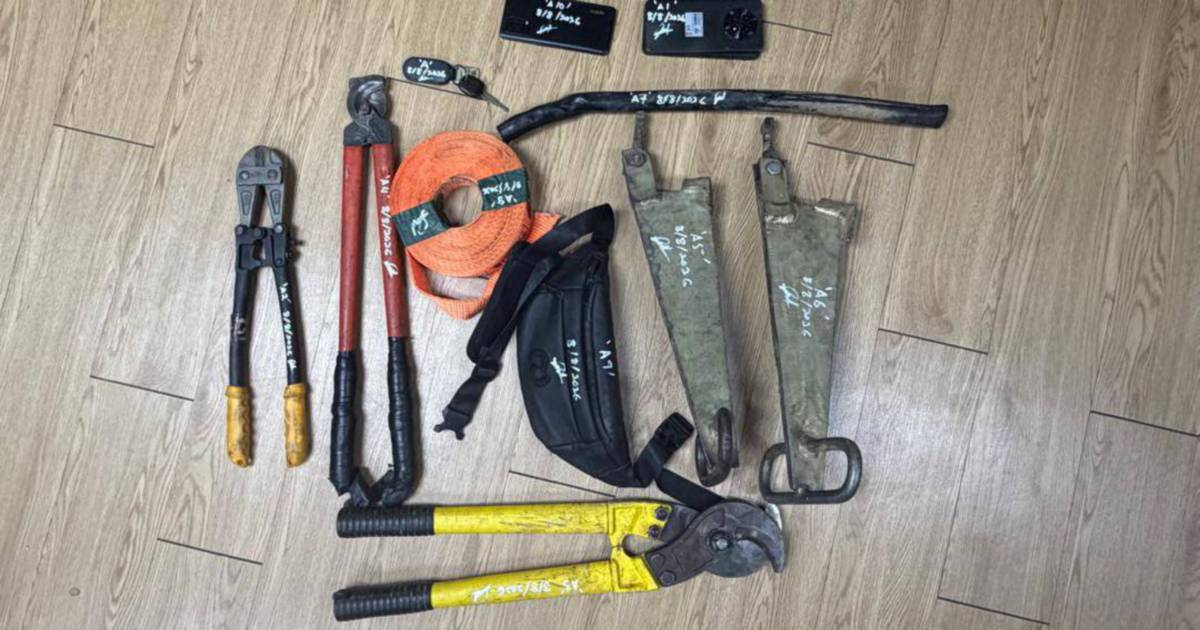
An individual wanted in connection with cable theft was taken into custody by police in Melaka following an extensive high-speed pursuit that stretched across approximately 50 kilometres and ended with his vehicle colliding with infrastructure in Sungai Chohong, Jasin. The dramatic incident unfolded in the early morning hours, highlighting the ongoing challenges law enforcement faces with organised metal and cable theft rings operating in the state.
The suspect's vehicle departure from police and the subsequent chase revealed the lengths to which some individuals will go to evade apprehension. The pursuit, which covered considerable ground through multiple locations, demonstrated the determination of police officers to intercept the suspect and prevent him from fleeing the jurisdiction. Officers coordinated their efforts across the region, gradually narrowing the options available to the driver as the chase progressed towards its inevitable conclusion.
The collision with a support cable marked the dramatic denouement of this chase, with the impact sufficient to incapacitate the vehicle and prevent further escape attempts. The nature of the crash, striking a structural support cable, suggests the suspect may have lost control during evasive manoeuvres or that the impact with critical infrastructure was unavoidable given road conditions and pursuit tactics. The incident raises questions about the risks posed when suspects attempt to flee from police, endangering themselves and others on the road network.
Cable theft has emerged as a persistent problem across Malaysia and throughout Southeast Asia, driven by the substantial value of scrap metal in international markets. Copper and aluminium cables particularly attract criminal organisations, as they can be quickly stripped of their protective insulation, melted down, and sold to recyclers or exporters with minimal traceability. Such thefts frequently target telecommunications infrastructure, electrical distribution systems, and telecommunications networks, causing widespread service disruptions to residents and businesses.
The economic impact of cable theft extends far beyond the material value of stolen goods. Service interruptions affect hospitals, emergency response systems, and commercial operations that depend on reliable telecommunications and power infrastructure. Melaka has witnessed repeated incidents of cable theft targeting different sectors, prompting authorities to increase surveillance and coordinate with utility companies to prevent further losses. The financial burden of replacing stolen cables and restoring services falls upon utility providers and ultimately their customers through higher tariffs.
Organised crime syndicates have become increasingly sophisticated in coordinating cable theft operations, employing spotters to identify vulnerable infrastructure, workers to extract and transport stolen materials, and networks of metal recyclers to process and sell the materials. The involvement of multiple parties in such operations makes investigation and prosecution more complex for law enforcement agencies, requiring coordination across multiple police jurisdictions and cooperation with telecommunications and utility companies. This arrest represents one component of broader enforcement efforts targeting these networks.
The pursuit and apprehension in Sungai Chohong marks a significant operation for Melaka police, demonstrating their commitment to addressing theft-related crimes that undermine public services and infrastructure security. The coordination required to maintain pursuit over such distances, manage traffic safety, and ultimately apprehend the suspect reflects substantial police resources directed toward tackling cable theft problems. Such visible enforcement actions serve both immediate crime-fighting purposes and broader deterrent effects on other potential offenders.
For Malaysian utility and telecommunications providers, incidents such as this reinforce the necessity of investing in security measures to protect critical infrastructure. Advanced monitoring systems, better perimeter security, and rapid response teams have become standard in many developed markets facing similar threats. Some Malaysian companies have begun implementing these measures, though the pace of rollout varies significantly across regions and sectors. Enhanced infrastructure protection represents a crucial complement to police enforcement efforts.
The suspect's apprehension following the crash now moves into the investigative and judicial phases, where authorities will build their case and determine whether additional offences warrant charges alongside the cable theft allegations. Vehicle damage and risks posed during the high-speed pursuit may result in additional charges related to reckless driving or endangering public safety. These additional charges can significantly increase penalties and provide prosecutors with multiple leverage points during judicial proceedings.
This incident also highlights broader patterns of property crime affecting Southeast Asian economies, where cable theft represents just one component of infrastructure-targeting criminal activity. Regional cooperation initiatives to combat organised theft networks and regulate scrap metal trading remain critical policy priorities for governments seeking to protect essential services. Malaysia's success in addressing cable theft will partly depend on coordinating enforcement efforts with neighbouring countries and implementing stronger regulations governing scrap metal collection and exports.
Looking forward, this arrest underscores the ongoing nature of the battle against cable theft and organised crime targeting Malaysian infrastructure. While individual arrests provide temporary relief and demonstrate police capability, sustained progress requires comprehensive strategies addressing both supply and demand sides of the scrap metal market. Supporting police enforcement with improved infrastructure protection, regulated recycling industries, and regional cooperation frameworks offers more durable solutions than enforcement actions alone.

