A devastating fire that swept through the stilt-house settlement of Kampung Nunuyan Laut in Sandakan early Monday morning destroyed 28 homes but could have been far more catastrophic had residents not acted with remarkable speed and coordination. The blaze, which erupted around 3 am, threatened to consume the entire tightly-packed village of 162 structures, yet the community's decisive intervention using borrowed water pumps to wet adjacent houses prevented the flames from spreading unchecked across the wooden settlement.
The effectiveness of this grassroots firebreak strategy, orchestrated informally by residents working together against time, underscores both the vulnerability of Malaysia's maritime communities and their resilience in the face of disaster. Village headman Mohd Sutri Mohd Nurdin, who provided a water pump from his own resources without hesitation, recognised immediately that the strong winds and densely packed configuration of the homes created ideal conditions for rapid fire propagation. By establishing a wet perimeter around unaffected houses, residents managed to arrest the flames' advance and spare the majority of the settlement from destruction.
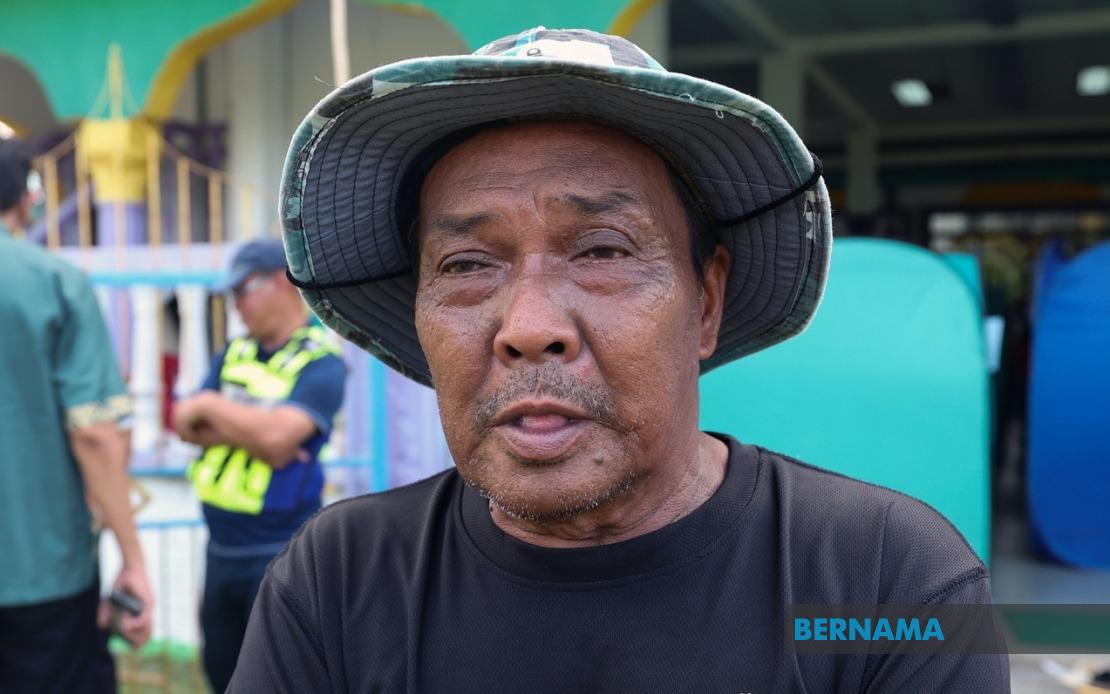
The scale of displacement tells part of the story: 109 residents from 29 families lost their homes and were sheltered at Al Fattah Mosque by evening. Yet the situation could have been exponentially worse, with 162 homes at risk had the fire not been contained. The psychological toll on survivors emerged in accounts from residents like Kaslan Etin, 38, whose house was approximately 30 per cent consumed by flames before he managed to evacuate his family, including two young children, and retrieve only essential documents in the chaos.
For some families, the timing of the disaster added layers of personal loss. Kaslan's household had been preparing for his sister-in-law's wedding scheduled for December during the school holidays, with all preparations destroyed in the inferno. Such collateral damage to family milestones and years of accumulated possessions extends the trauma of fire beyond the immediate structural loss, affecting psychological recovery and financial prospects far into the future.
Among the most vulnerable affected was Kasmah Rashid, 69, who lives alone in the settlement. Her survival depended entirely on the alertness of a neighbour who heard the developing crisis, knocked on her door, and helped her escape as flames spread nearby. Her gratitude to both villagers and security forces who responded reflects the genuine interdependence characteristic of such close-knit communities, where informal social networks often function as the first line of defence during emergencies.
Official response systems mobilised promptly following the incident. The Social Welfare Department (JKM) initiated immediate assistance programmes to address the pressing needs of displaced families, including food, shelter, and basic supplies. The Sandakan Municipal Council complemented these efforts by opening a dedicated temporary relief centre, signalling a coordinated government response that extended beyond emergency firefighting to encompass medium-term welfare provision.
The investigation into the fire's cause remains ongoing, though authorities have confirmed the absence of casualties or injuries—a fortunate outcome given the early morning timing when most residents were asleep and the density of the settlement. Early detection by residents whose screams alerted neighbours proved critical to evacuation success, highlighting how community awareness and rapid dissemination of alarm can save lives even where infrastructure for formal warning systems is absent.
The incident illuminates broader questions about fire safety and resilience in Malaysia's informal settlements and water-based communities, particularly those in Sabah where traditional stilt-house construction remains common. These structures, while culturally significant and suited to coastal environments, present inherent fire risks due to wooden construction, limited access for emergency vehicles, and the challenges of water supply in maritime locations. The reliance on borrowed water pumps during this emergency underscores the absence of dedicated firefighting infrastructure in villages like Kampung Nunuyan Laut.
The community's success in containing the fire, achieved through improvisation rather than formal emergency protocols, should not mask systemic vulnerabilities that require addressing through policy and investment. Fire-resistant building materials, community-based firefighting training programmes, and pre-positioned water storage facilities could substantially reduce future risks in similar settlements throughout Malaysian Borneo and beyond.
Residents' actions also demonstrated the effectiveness of community mobilisation in disaster response—a factor often underestimated in emergency management planning. The willingness of village headman Mohd Sutri Mohd Nurdin and other residents to act decisively without waiting for external authority, and the collective coordination that created firebreaks, offers valuable lessons for disaster preparedness in geographically remote or resource-constrained communities where formal emergency services face response delays.
Looking forward, the recovery process will test both government support mechanisms and community resilience over months ahead. The temporary relief centre at Al Fattah Mosque provides immediate shelter, but displaced families will require sustained assistance for reconstruction and livelihood restoration. The incident also highlights the insurance and documentation gaps affecting informal settlement residents, many of whom lack formal property records or coverage that would facilitate reconstruction claims.
The contrast between potential and actual outcomes—162 homes at risk versus 28 destroyed—validates the power of immediate community action in disaster contexts. Yet it also raises uncomfortable truths about how Malaysian communities in vulnerable settlements often depend on informal social safety nets rather than formal infrastructure and planning. As Kampung Nunuyan Laut residents begin rebuilding, their experience offers both a testament to community solidarity and a prompt for policymakers to invest in preventive systems that could spare future settlements from similar ordeals.

