%22%2F%3E%3C%2Fpattern%3E%3C%2Fdefs%3E%3Crect%20width%3D%22100%25%22%20height%3D%22100%25%22%20fill%3D%22url(%23ph4gehgg)%22%2F%3E%3Crect%20width%3D%22100%25%22%20height%3D%22100%25%22%20fill%3D%22url(%23ph4gehgp)%22%2F%3E%3Ctext%20x%3D%2250%25%22%20y%3D%2250%25%22%20text-anchor%3D%22middle%22%20dominant-baseline%3D%22central%22%20fill%3D%22rgba(255%2C255%2C255%2C0.95)%22%20font-family%3D%22Georgia%2C%20'Times%20New%20Roman'%2C%20serif%22%20font-weight%3D%22700%22%20font-size%3D%22136%22%20letter-spacing%3D%22-0.02em%22%3ECommunica%E2%80%A6%3C%2Ftext%3E%3C%2Fsvg%3E)
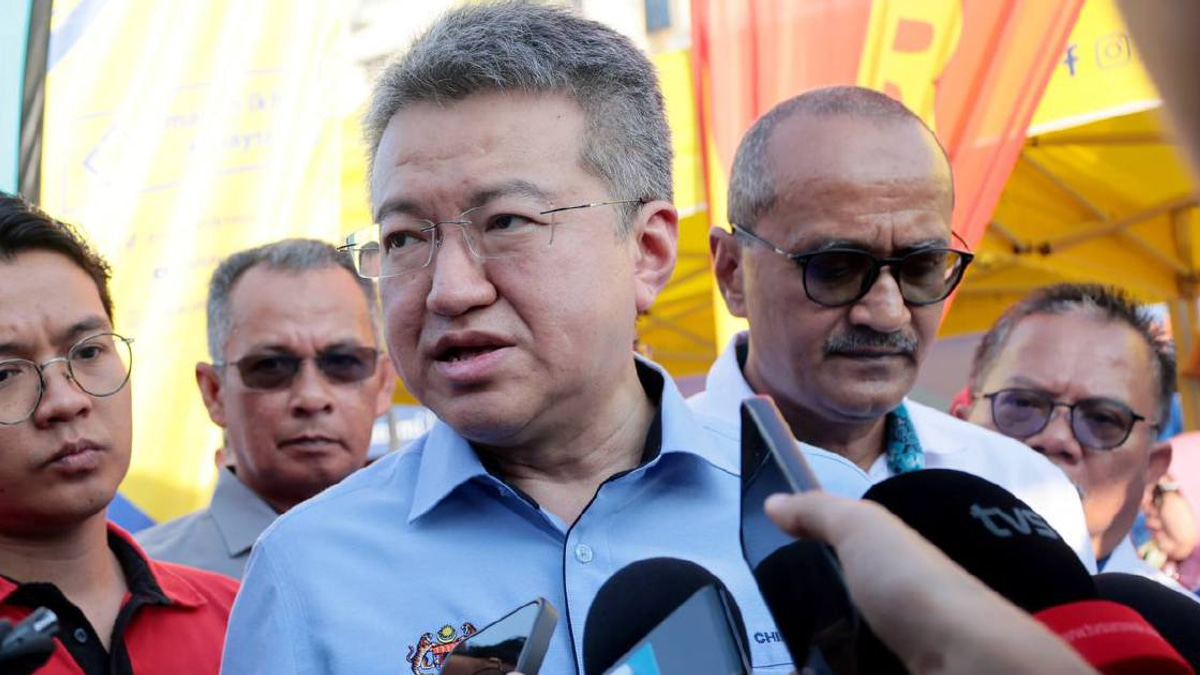
Communications Minister Datuk Fahmi Fadzil has thrown his weight behind the RIUH Pi HAWANA carnival, expressing strong satisfaction with the festival's performance as a platform dedicated to nurturing and promoting Malaysia's homegrown creative sector. Speaking at the event in Butterworth on June 19, Fahmi highlighted the carnival's success in drawing public engagement whilst simultaneously creating meaningful opportunities for performers spanning multiple generations to connect directly with audiences at the PICCA Convention Centre @ Butterworth Arena.
The minister's endorsement comes as the carnival continues its run through the weekend, operating as part of the broader National Journalists' Day (HAWANA) 2026 celebrations. Fahmi pointed specifically to the calibre of artist involvement, noting that the event had successfully attracted both established and emerging performers, with acts such as Exists securing spots on the programme. His comments underscore a deliberate strategy to use major public celebrations as vehicles for cultural promotion beyond the journalism fraternity.
The event's organisational framework reveals the scope of Malaysia's ambitions in this space. Helmed by MyCreative Ventures, the carnival draws together more than 24 local creative brands whilst hosting 20 food and beverage vendors, creating an ecosystem that extends beyond entertainment into commerce and cultural exchange. This hybrid approach—blending performance, commerce, and interactive experiences—mirrors successful festival models used internationally to revitalise creative economies in regional centres.
Amongst the carnival's 18 scheduled live performances are established names including Bunkface, Masdo, Sakura Band, Fugo, Budak Nakal Hujung Simpang and Chelsia Ng, representing a diverse spectrum of local musical traditions and contemporary genres. The inclusion of both seasoned artists and emerging talents reflects Fahmi's stated commitment to creating intergenerational platforms where experience and innovation coexist. Such mixed programming is recognised internationally as essential for sustaining vibrant creative industries.
Beyond the headline performances, the carnival incorporates interactive workshops designed to engage visitors actively rather than position them merely as spectators. This educational component carries particular significance for Malaysian creative industries seeking to build sustainable audiences and consumer bases. By allowing festival-goers to participate directly in creative activities, the organisers develop deeper engagement and potentially cultivate new practitioners from the general public.
Fahmi's call for expanded attendance, particularly directed at Penang residents, reflects broader governmental interest in decentralising cultural programming away from Kuala Lumpur. This geographic approach matters for regional centres like Butterworth, which have historically received less cultural investment than the capital. By bringing flagship creative celebrations to peripheral urban areas, authorities signal commitment to equitable cultural distribution across Malaysia's densest population corridors.
The minister's suggestion that RIUH Pi HAWANA become a recurring fixture within future HAWANA celebrations carries strategic implications for how Malaysia positions its creative sector internationally. An annual dedicated platform would institutionalise support for local entrepreneurs and artists whilst creating predictable marketing opportunities that could attract touring acts and cultural investors. This permanence transforms what might otherwise be a one-off event into infrastructure supporting the creative economy.
HAWANA itself, established in 2018 and coordinated by the Communications Ministry through Bernama, represents Malaysia's formal recognition of journalism's societal role. Integrating creative industry celebrations into this framework suggests a conceptual linking between journalism and creative expression—positioning both as pillars of cultural life warranting government support. This alignment reflects global trends toward recognising creative sectors as essential economic drivers rather than peripheral cultural amenities.
For Southeast Asian observers, Malaysia's investment in carnival-style creative showcases demonstrates an emerging regional pattern. Countries throughout the bloc increasingly recognise that cultural festivals function as soft power instruments, tourism drivers, and local economic stimuli simultaneously. The RIUH Pi HAWANA model—combining performance, entrepreneurship, and interactive participation—offers a replicable template for other nations seeking to amplify creative industries without substantial infrastructure investment.
The vendor component merits particular attention for Malaysian economic policy discussions. By integrating food and beverage operators alongside creative brands, the carnival creates multiplier effects extending beyond the arts sector into hospitality, distribution, and service industries. This cross-sectoral approach maximises economic impact and builds coalitions of stakeholder support extending beyond creative practitioners to encompass broader business communities.
Looking forward, Fahmi's enthusiasm suggests the Communications Ministry may expand such initiatives. The political capital expended in attending and publicly praising the carnival indicates ministerial commitment to this sector. For creative entrepreneurs and artists monitoring government support trajectories, such signals often precede policy announcements or funding allocations. Malaysia's creative industries therefore warrant close attention to subsequent HAWANA-related developments.
The carnival's success in Butterworth also carries implications for other Malaysian cities pursuing cultural revitalisation strategies. Smaller urban centres frequently lack the critical mass and institutional infrastructure of Kuala Lumpur, making events like RIUH Pi HAWANA potentially transformative for local identity and economic vitality. If attendance figures and vendor feedback prove positive, comparable festivals could emerge in Johor Bahru, Kuching, Kota Kinabalu, and other major regional centres, gradually building distributed creative infrastructure across Malaysia.
%22%2F%3E%3C%2Fpattern%3E%3C%2Fdefs%3E%3Crect%20width%3D%22100%25%22%20height%3D%22100%25%22%20fill%3D%22url(%23ph29wsrg)%22%2F%3E%3Crect%20width%3D%22100%25%22%20height%3D%22100%25%22%20fill%3D%22url(%23ph29wsrp)%22%2F%3E%3Ctext%20x%3D%2250%25%22%20y%3D%2250%25%22%20text-anchor%3D%22middle%22%20dominant-baseline%3D%22central%22%20fill%3D%22rgba(255%2C255%2C255%2C0.95)%22%20font-family%3D%22Georgia%2C%20'Times%20New%20Roman'%2C%20serif%22%20font-weight%3D%22700%22%20font-size%3D%22272%22%20letter-spacing%3D%22-0.02em%22%3EAnwar%3C%2Ftext%3E%3C%2Fsvg%3E)