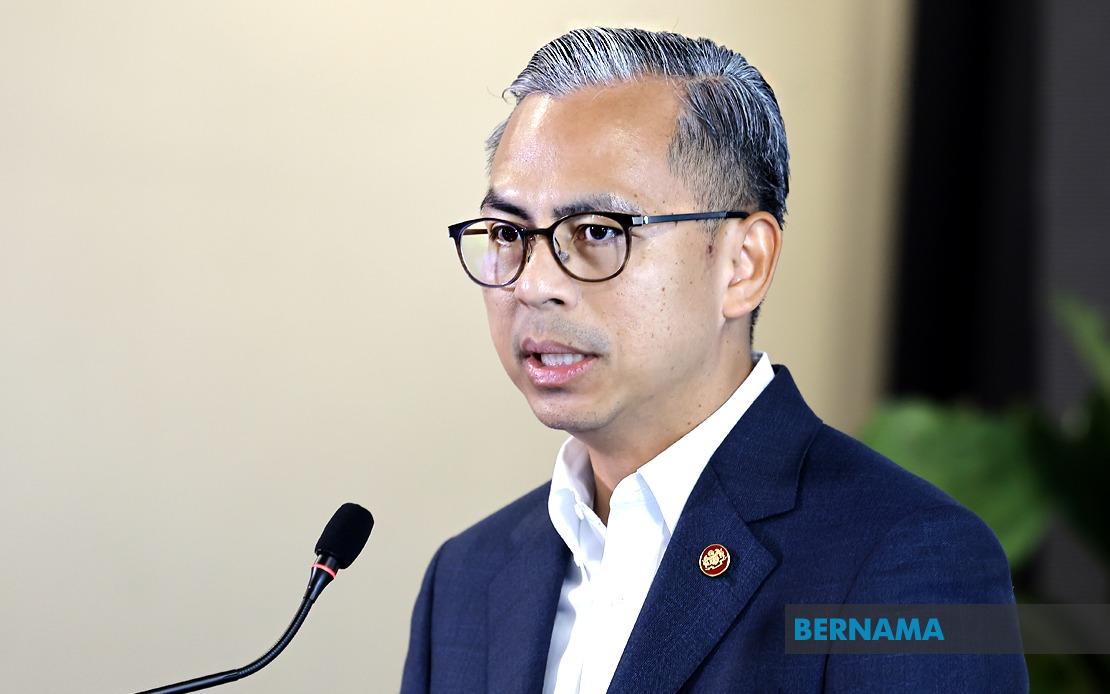
The Penang state government will confer honours and awards on over a thousand recipients in a series of ceremonies beginning tomorrow, with Communications Minister Datuk Fahmi Fadzil taking the top honour as the sole recipient of the Darjah Panglima Pangkuan Negeri (DPPN) title this year. The investiture ceremony marks the 85th birthday celebration of Penang Governor Tun Ramli Ngah Talib and represents one of the largest annual conferrals of state honours in the peninsula.
Fahmi's elevation to Datuk Seri status through the DPPN award underscores his prominence in the current administration, as he simultaneously serves as spokesperson for the Unity Government. The distinction of being the sole DPPN recipient this year emphasises the selective nature of the highest honour category, which carries significant prestige within Malaysia's honours system and denotes exceptional service to the state or nation.
Beyond Fahmi's prominent appointment, the honours list reflects a broad cross-section of Malaysian society contributing across public administration, business, and civic spheres. A further 19 individuals have been selected to receive the Darjah Gemilang Pangkuan Negeri (DGPN), also carrying the Datuk Seri distinction, including figures such as Chief Judge of Malaya Datuk Seri Hashim Hamzah and MARA Incorporated leadership, signalling recognition of both judicial excellence and development institution management.
The corporate sector features prominently among honourees, with chief executives and managing directors from major investment and infrastructure entities receiving awards. Leaders of Invest Penang, Pelita Samudra Pertama, and M Summit Group have been selected for recognition, reflecting the state government's acknowledgment of private sector contributions to economic growth and development initiatives. This integration of business leadership within the honours framework demonstrates how Penang seeks to foster partnerships between government and commerce.
Another nine recipients will receive the Darjah Yang Mulia Pangkuan Negeri (DMPN), a category carrying the Datuk title, among whom are a former Penang police chief and senior managers from major corporations including UEM Group. Meanwhile, 72 individuals qualify for the Darjah Setia Pangkuan Negeri (DSPN), also conferring Datuk status. This tier includes notable figures such as the late filmmaker Nordin Ahmad, recognising cultural contributions to Malaysian cinema, as well as serving heads of key federal agencies such as NADMA and executives from financial institutions and development corporations.
The lower honours tiers encompass substantially larger numbers, reflecting the recognition of service across multiple levels of contribution. A total of 92 recipients will receive the Darjah Johan Negeri, followed by 31 awarded the Bintang Cemerlang Negeri. The broader categories—Pingat Kelakuan Terpuji, Pingat Jasa Kebaktian, Pingat Jasa Masyarakat, and Pingat Bakti Setia—will recognise 997 individuals collectively, encompassing civil servants, volunteers, entrepreneurs, and community workers whose cumulative efforts sustain state functions and social cohesion.
According to Penang State Legislative Assembly Speaker Datuk Seri Law Choo Kiang, the four-day investiture ceremony will be structured to accommodate the scale of recipients while maintaining ceremonial dignity. The ceremony commences tomorrow with three additional days scheduled for July 13 through 15, allowing separate sessions for the 101 recipients of state honours and the 1,120 recipients of awards and medals of merit. This staggered approach reflects logistical realities while ensuring each honouree receives appropriate recognition.
The composition of honourees demonstrates deliberate inclusivity across sectors that form the backbone of modern governance and development. Members of state and federal civil services occupy a significant proportion, acknowledging the administrative machinery essential to delivering public services. Political figures represent both state and federal levels, reflecting contributions to democratic governance and legislative processes. This breadth of recognition—spanning bureaucrats, entrepreneurs, NGO representatives, and volunteers—illustrates how contemporary honours systems in Malaysia increasingly reflect meritocratic principles rather than concentrating solely on political appointees or bureaucratic rank.
For Malaysia's broader honours framework, the Penang conferrals signal a state government keen to leverage ceremonial recognition as a tool for incentivising service and fostering stakeholder engagement. The inclusion of corporate figures alongside civil servants suggests recognition that modern governance depends upon productive partnerships with the private sector and civil society. The recognition of late filmmaker Nordin Ahmad posthumously underscores cultural patrimony and creative industry contributions as worthy of state acknowledgment, reflecting evolving priorities within honours systems that historically emphasised purely administrative or military service.
The timing of this honours ceremony around the Governor's milestone birthday carries symbolic significance, positioning Tun Ramli Ngah Talib as a figurehead whose patronage extends across diverse constituencies. By bestowing significant honours within days of his birthday, the state demonstrates continuity in institutional respect for the constitutional monarchy and the role of state rulers in affirming meritocratic recognition within their jurisdictions. For federal figures like Communications Minister Fahmi, the honour also reinforces interstate recognition and acknowledgment of contributions extending beyond purely state-level concerns.
The magnitude of this year's honours distribution—over 1,200 recipients—suggests either a particularly generous year or possibly an accumulated conferral incorporating deferred recognition from previous periods. Regardless, the diversity of recipients and honours categories demonstrates how Malaysian honours systems have evolved to encompass service beyond traditional hierarchies. From technology infrastructure executives to disaster management officials to cultural figures and grassroots volunteers, the list reflects an honours philosophy recognising that state advancement depends upon multifaceted contributions across interconnected domains of activity.

