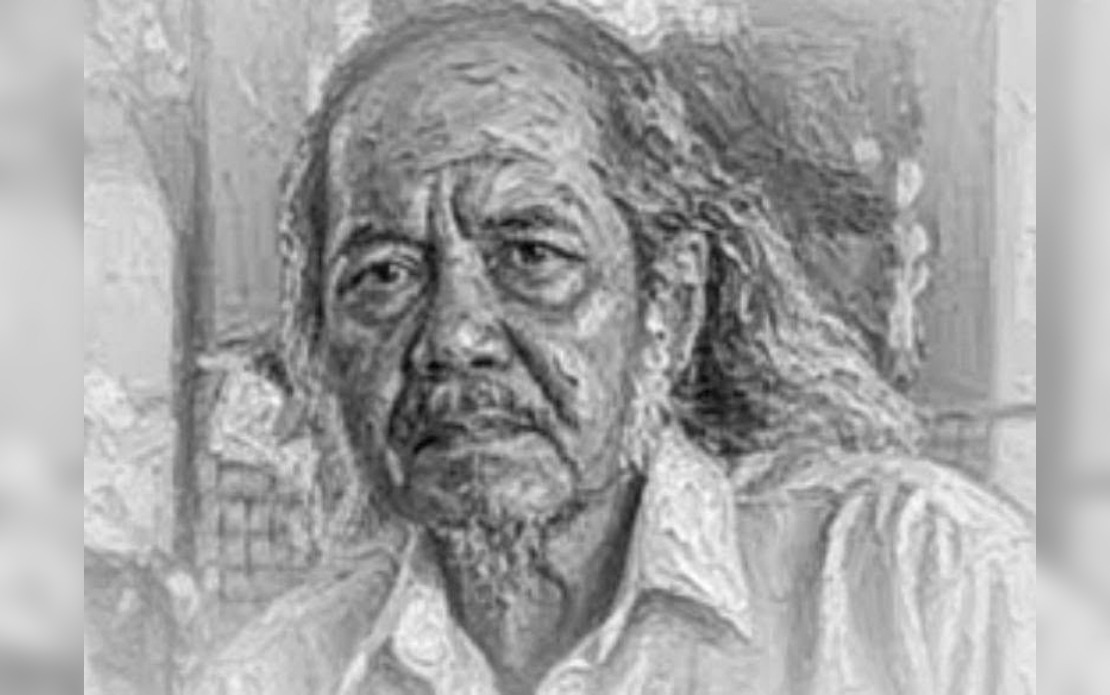
The Malaysian Artistes' Association (SENIMAN) has expressed profound sadness at the death of veteran actor Kamarozaman Yusoff, popularly known as Cik Man, who passed away on August 5 at Tanah Merah Hospital in Kelantan following heart complications. The 68-year-old performer's departure marks a significant loss to Malaysia's cultural landscape, according to SENIMAN secretary-general Hafiz Nafiah, who recognised him as one of the nation's most accomplished character actors despite his characteristic reluctance to court public recognition or accolades.
Cik Man's contributions to Malaysian entertainment spanned more than four decades, during which he became synonymous with a distinctive performing style rooted in authenticity and emotional depth. His trademark use of the Kelantan dialect became instantly recognisable to audiences across the region, transforming what could have been a regional mannerism into a signature element of his screen presence. Rather than relying on bombast or flashy technique, Cik Man built his reputation on a foundation of natural performances that revealed character through nuance and restraint, an approach that earned him profound respect among fellow professionals despite operating outside mainstream celebrity circles.
Hafiz Nafiah emphasised that Cik Man's standing within the industry extended far beyond his filmography, rooted instead in the values he embodied as a performer and mentor. His discipline and unwavering commitment to his craft set standards for colleagues and inspired younger actors entering the profession. The association noted that these qualities transcended the specific roles he inhabited, making him an influential figure whose impact on Malaysian cinema would prove enduring and instructive to future generations seeking models of integrity in the performing arts.
Cik Man's breakthrough came in 1986 with his portrayal of Farouk in the film Gila-Gila Remaja, a performance that signalled the arrival of a distinctive talent capable of anchoring complex characters within comedic or dramatic frameworks. Following this initial success, he appeared across an impressive range of productions that demonstrated his versatility and capacity to adapt across genres and tones. Films including Rozana Cinta 87, Rock, Rock Oo!, Rock Bro!, Tiada Tajuk, Cerita Hantu Malaysia, Mael Totey The Movie, and Abu Si Raksasa showcased his ability to navigate both intimate dramatic moments and broader ensemble work.
Among his most celebrated contributions was his trilogy of roles in the Rock films directed by the late Mamat Khalid, performances that have secured permanent status within Malaysian cinema historiography. These characters remain touchstones for audiences who grew up with the films, referenced in conversations about Malaysian popular culture and cited as exemplary instances of character acting that transcended the immediate entertainment value of the productions themselves. The Rock trilogy demonstrated how a skilled performer could elevate material through commitment and invention, creating moments that lingered in collective memory well beyond theatrical release.
Beyond cinema, Cik Man extended his reach through television work, notably in the drama series Banyak Chanteq, where he demonstrated the breadth of his talent across different storytelling mediums. This diversification allowed him to develop his craft across platforms with distinct narrative conventions and audience expectations, proving his adaptability while maintaining the artistic principles that defined his approach. His television appearances ensured that his influence reached audiences who might not frequent cinemas, broadening the constituency that valued his contributions.
Hafiz Nafiah's statement emphasised that despite Cik Man's passing, his artistic legacy would endure through the films and performances he left behind. Each work represents a moment of creative intention and execution, preserved for audiences to encounter repeatedly across generations. In this sense, his death does not represent a cessation of his influence but rather a transition from active creation to permanent archive, where his performances continue their dialogue with viewers discovering or revisiting his work.
The association's tribute underscored a broader reality about Malaysian cultural memory, wherein significant figures often achieve their deepest impact retrospectively, as audiences and critics reassess their contributions with historical perspective. Cik Man's reluctance to seek prominence or cultivate celebrity during his lifetime may have resulted in less widespread recognition than some contemporaries, yet it also insulated him from the volatility of popularity trends, allowing his work to stand on intrinsic merit rather than manufactured persona or strategic publicity.
SENIMAN's statement requested prayers for Cik Man's spiritual well-being and formally recognised his invaluable role in developing and sustaining Malaysia's creative arts sector. The association's invocation of his contributions to elevating the country's cultural reputation signals an understanding that individual artists cumulatively construct national artistic identity and international cultural standing. Cik Man's four decades of serious engagement with his craft contributed to establishing Malaysian cinema as a space where nuanced character work and authentic performance could flourish.
The loss of Cik Man arrives during a period of continued evolution in Malaysian entertainment, as the industry adapts to changing production technologies and audience consumption patterns. His passing prompts reflection on the value systems that guided his generation of performers, particularly the emphasis on craft mastery and artistic integrity over commercial calculation. As the industry moves forward, his example offers counterweight to contemporary pressures toward rapid content production and personality-driven marketing, reminding audiences and aspiring professionals alike that sustainable artistic achievement rests on foundations of discipline, dedication, and genuine commitment to one's medium.
Hafiz Nafiah's statement ultimately frames Cik Man's legacy not as concluded but as continuing, present in the archive of his performances available to audiences and embedded in the professional standards he modelled throughout his career. His influence will likely become increasingly apparent in retrospective discussions of Malaysian cinema, as critics and historians assess the period during which he was most active and recognise the distinctive contribution he made to national artistic development during that era.

