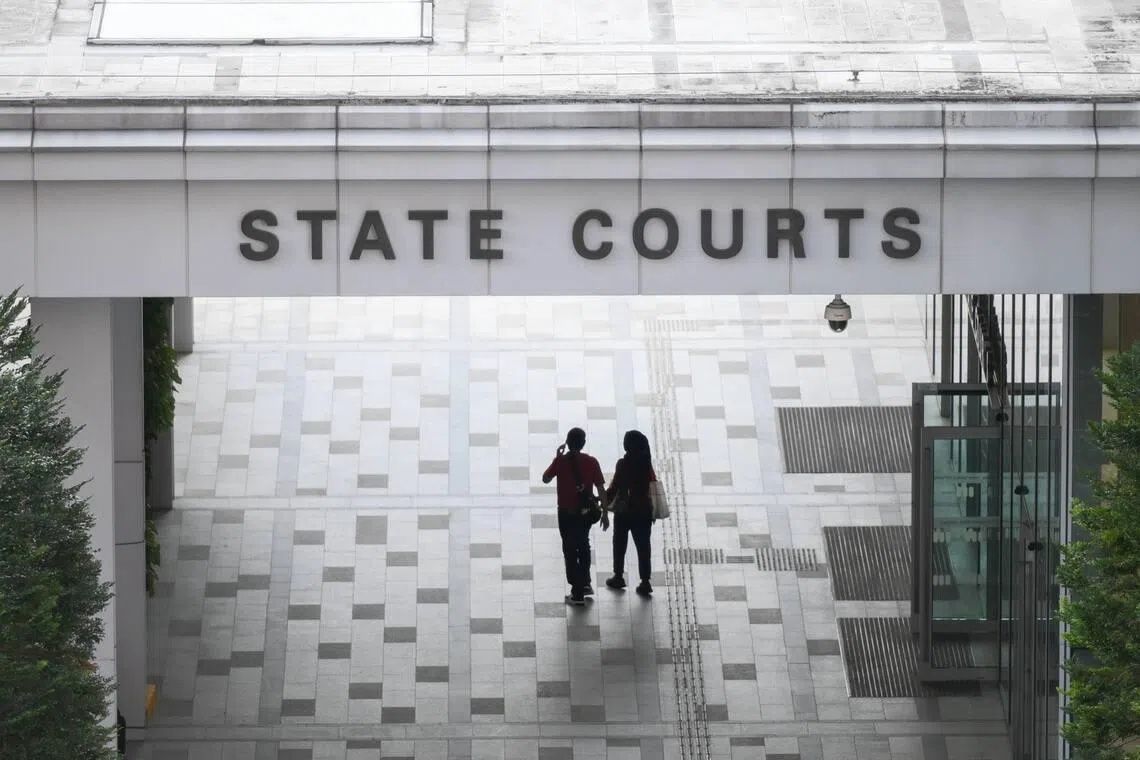
A Chinese national has been convicted and imprisoned for orchestrating an elaborate immigration fraud scheme that involved entering Singapore under a false identity and maintaining the deception through a marriage of convenience spanning several years. Liu Xueyuan, 66, received a sentence of three months and six weeks in jail along with a fine of $1,500 on May 15 after pleading guilty to multiple charges including unauthorised entry and making false statements on official immigration documents. The case reveals vulnerabilities in identity verification systems and the risks posed by spousal sponsorship programmes when fraudulent marriages are involved.
Liu's scheme began when she returned to China in 2012 after previously visiting Singapore on her legitimate documents. Seeking employment opportunities that appeared unavailable through regular channels, she obtained a fraudulent passport bearing the name "Yue Yinfang" in November 2012. This fabricated identity enabled her to bypass standard immigration procedures when she re-entered Singapore on July 5, 2013. Immigration officers at the airport, unaware the passport was forged, granted her an initial visit pass valid until August 2013, marking the beginning of her five-year presence in the country under false pretences.
The fraud quickly escalated when Liu used her assumed identity to apply for a visit pass extension on July 26, 2013, which was approved the same day. During this period, she met Low Han Song, a Singaporean citizen, and the two eventually entered into marriage on August 30, 2013. Critically, Low was unaware that his wife had been using a fabricated identity and believed her to be legitimately present in Singapore. As her spouse, Low subsequently sponsored Liu's long-term visit passes annually from 2013 through 2018, unwittingly becoming complicit in the immigration violation through his sponsorship applications.
The relationship between Liu and Low deteriorated sometime between 2018 and 2019, with Liu moving out of their shared residence and the couple maintaining minimal contact. However, when Liu required renewal of her long-term visit pass in December 2020, she requested that Low continue his sponsorship. On December 2, 2020, both parties submitted a renewal application through the Immigration and Checkpoints Authority's online platform, but crucially, they falsely declared that they were still residing together as a married couple. This false statement on official documents formed the basis of Low's subsequent conviction. The deception might have continued indefinitely had circumstances not forced Liu to seek travel documentation to return to China.
The unravelling of the fraud occurred in January 2025 when Liu's long-term visit pass was cancelled on December 19, 2024, and she was issued a short-term visit pass valid only until January 18. Intent on returning to China, Liu visited the Chinese Embassy in Singapore to obtain a travel document to replace her expired passport. The embassy issued her a one-time emergency travel document bearing her real name—Liu Xueyuan—rather than her assumed identity. When she presented this legitimate document at Changi Airport on January 16, immigration officers immediately detected the discrepancy between the real name on the official travel document and the false identity under which she had been residing and sponsored in Singapore.
The discovery by Immigration and Checkpoints Authority officers triggered an investigation that exposed the entire scheme. Liu pleaded guilty to four charges: entering Singapore without a valid pass, making false statements in a disembarkation form upon entry, obtaining a visit pass extension through false declarations, and submitting false information in the long-term visit pass application. Her sentence of three months and six weeks imprisonment reflected the severity of maintaining such fraud across multiple years and multiple false declarations to government officials. The $1,500 fine added a financial penalty component to the custodial sentence.
Low Han Song, Liu's husband, received a lighter sentence reflecting his initial unknowing participation in the scheme. On June 29, he was sentenced to five weeks in jail after being charged with making false statements in a long-term visit pass application. His culpability differed from Liu's because he did not originate the fraud; however, his knowing submission of false information regarding their continued cohabitation in December 2020 demonstrated deliberate participation in the deception. The disparity in sentencing between the primary fraudster and the complicit spouse illustrates how courts distinguish between those who conceive and execute immigration crimes versus those who become entangled in them.
This case exposes significant vulnerabilities in Singapore's immigration and spousal sponsorship systems. The fact that Liu successfully maintained fraudulent status for over a decade suggests that periodic verification of sponsorship conditions—such as confirming continued marital residence—may not have been adequately implemented. For Malaysian readers and Southeast Asian observers, the case serves as a cautionary example of how immigration fraud can exploit spousal sponsorship mechanisms designed to facilitate legitimate family reunification. The system's reliance on applicants' honesty, combined with limited resources for ongoing verification, creates opportunities for determined fraudsters to succeed for extended periods.
The penalties under Singapore law for making false statements to obtain entry include fines up to $4,000, imprisonment for up to 12 months, or both, demonstrating the serious view authorities take of immigration fraud. Liu's sentence remained below the maximum statutory penalty, possibly reflecting her age and guilty plea. For Malaysia and other regional nations with similar immigration frameworks, this case provides instructive lessons about the need for more robust identity verification systems, cross-checking between immigration databases, and periodic validation of sponsored residents' continuing compliance with visa conditions. The involvement of legitimate family members in perpetuating fraud also highlights the dangers of accepting spousal declarations at face value without occasional verification.
Regionally, this case reflects broader concerns about document fraud and identity manipulation affecting Southeast Asian countries. With increasing cross-border movement and employment opportunities, demand for shortcuts to legal immigration remains high. The sophistication of modern forgery—Liu obtained an entire fraudulent passport rather than simply altering an existing document—suggests that individuals determined to circumvent immigration controls possess tools and networks to do so. For Malaysia, which processes significant numbers of foreign workers and receives many spousal sponsorship applications, the Liu Xueyuan case underscores the importance of maintaining vigilant document authentication and periodic verification of sponsored residents' status and circumstances.
The case also raises questions about how long-term relationships can be weaponised for immigration purposes. Liu's marriage to Low appeared genuine in many respects, yet the partnership was fundamentally compromised by her initial fraud. When their relationship deteriorated, the couple nonetheless collaborated in submitting false information to renew her status, suggesting that financial or practical considerations overrode ethical concerns. This dynamic may differ from traditional marriage-of-convenience arrangements, yet it demonstrates how fraud can become embedded within seemingly authentic relationships, making detection increasingly difficult for authorities relying on documentary evidence and applicant honesty.
Moving forward, Singapore's experience with the Liu Xueyuan case may prompt other regional governments to review their immigration verification protocols. Regular audits of long-term resident files, cross-referencing with international databases, and implementing periodic in-person verification requirements could significantly reduce the window for such schemes to operate. For Malaysians sponsoring foreign spouses or applying for residency status abroad, the case provides a stark reminder that immigration fraud carries serious consequences extending beyond the primary perpetrator to affect family members and sponsors. The five-week sentence imposed on Low Han Song represents a significant penalty for a Singaporean citizen and serves as a deterrent for others who might consider assisting in immigration deception, even passively.

