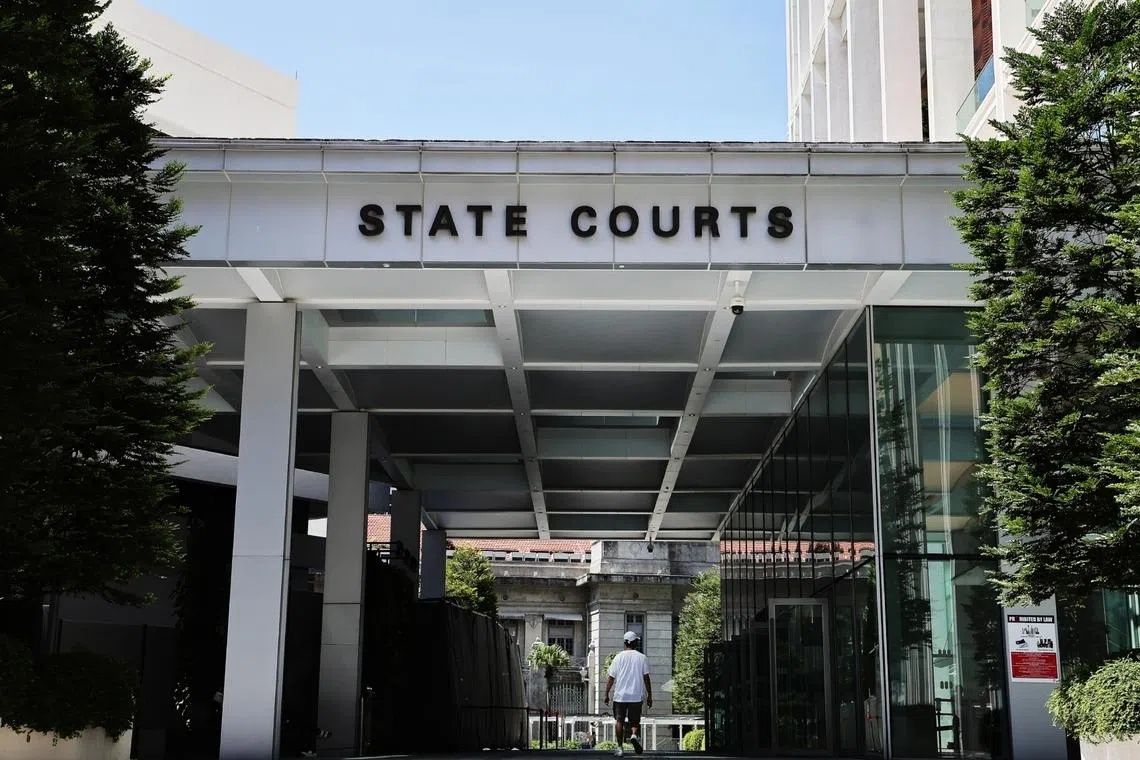
A Chinese national has been arrested after committing multiple burglaries across Singapore's most affluent residential areas during his inaugural visit to the city-state. Huang Xiaozong, 41, carefully researched wealthy neighbourhoods before targeting homes in Sentosa and Serangoon Gardens that appeared unoccupied, eventually stealing valuables totalling S$105,000. He pleaded guilty to two counts of housebreaking on Friday and is scheduled for sentencing on August 14, with the court having detailed the circumstances of his crimes during the proceedings.
Huang's criminal enterprise began almost immediately after his arrival. Landing in Singapore on December 5, 2025, he checked into a hotel in Little India and spent his first full day scouting potential targets. His approach was methodical: he identified areas known for concentrating significant wealth and then conducted surveillance to identify properties that appeared vacant. This calculated approach suggests premeditation rather than opportunistic theft, raising questions about how thoroughly visitors to Singapore are vetted during immigration procedures.
The first burglary occurred at a luxury hotel suite in Sentosa on December 6, 2025. The property's occasional occupant was overseas at the time, leaving the accommodation empty. Huang examined the exterior, discovered the rear balcony door provided access, and forced his way inside through the sliding glass entrance. Working methodically through the suite, he located and removed a Chanel watch valued at S$30,000, five rings worth S$25,000, and a gold necklace estimated at S$3,000. He returned to his hotel with the stolen goods, apparently unconcerned about immediate detection.
The first theft went unnoticed for two days until a housekeeper entered the suite and observed evidence of the intrusion. The discovery of Huang's footprints and missing items triggered an investigation, though the perpetrator had already vanished into Singapore's urban landscape. This lag in detection proved critical, as it allowed Huang to proceed with his second crime without being apprehended.
Less than 24 hours after the hotel theft, Huang travelled to Serangoon Gardens, one of Singapore's most exclusive residential enclaves. Arriving between 7pm and 8pm on December 7, he identified a darkened house with no visible signs of occupancy and scaled the gate to enter the property. Inside, he located and stole more than S$47,000 worth of jewellery, including multiple rings, gold necklaces, a diamond necklace, diamond earrings, and wedding rings. The targeted selection of these items demonstrates knowledge of their value and marketability.
Huang's luck at this second location proved shorter-lived. As he attempted to exit the property with his haul, a domestic helper spotted him on the premises and questioned his presence. Startled by the unexpected confrontation, Huang abandoned any pretence and fled back to his hotel with the jewellery. The domestic helper's presence at the property, though it disrupted his third planned burglary, likely prevented additional losses to the household.
The homeowner returned that evening and immediately contacted police, triggering a rapid response. Officers traced the intruder to his Little India hotel, where they apprehended Huang on December 8, 2025, just three days after his arrival in Singapore. The speed of his arrest—within 72 hours of entering the country and committing his first crime—suggests Singapore's law enforcement agencies maintain efficient tracking and surveillance systems for hotel guests and crime scenes.
The case underscores vulnerabilities in Singapore's residential security infrastructure, particularly in prestigious neighbourhoods where residents may assume their wealth and exclusive locations provide adequate protection. The targeting of a luxury hotel suite and two high-value private residences indicates that Huang had researched not merely wealthy areas but properties likely to contain significant portable valuables. His preparation suggests this was not merely an impulsive crime spree but a calculated criminal operation planned before or during his first days in the country.
For regional readers, the incident offers instructive lessons about international property crime and immigration security. The case demonstrates how organised crime can operate across borders with minimal preparation time, and how affluent areas remain attractive targets for international criminals. The fact that Huang successfully completed two major thefts before apprehension raises questions about whether even major financial centres face gaps in residential security coordination and information-sharing between businesses and residential authorities.
The sentencing scheduled for August 14 will determine whether Singapore's courts view Huang's crimes as opportunistic tourism-related theft or more serious transnational burglary operations. His guilty plea suggests acceptance of responsibility, though the calculated nature of the crimes and the significant value of stolen goods may influence the court's determination of appropriate punishment. The case also highlights ongoing challenges regarding property crime in Southeast Asia's most developed city-state, where concentrated wealth continues to attract both local and international criminals.
Huang's swift arrest and prosecution reflect Singapore's reputation for swift criminal justice proceedings and low crime rates, yet the case also demonstrates that wealthy residential areas remain vulnerable despite the island nation's advanced security infrastructure. As the city-state continues attracting international visitors and maintaining its position as a global financial hub, authorities must balance tourism promotion with enhanced security measures that protect residents and businesses from determined criminal visitors.

