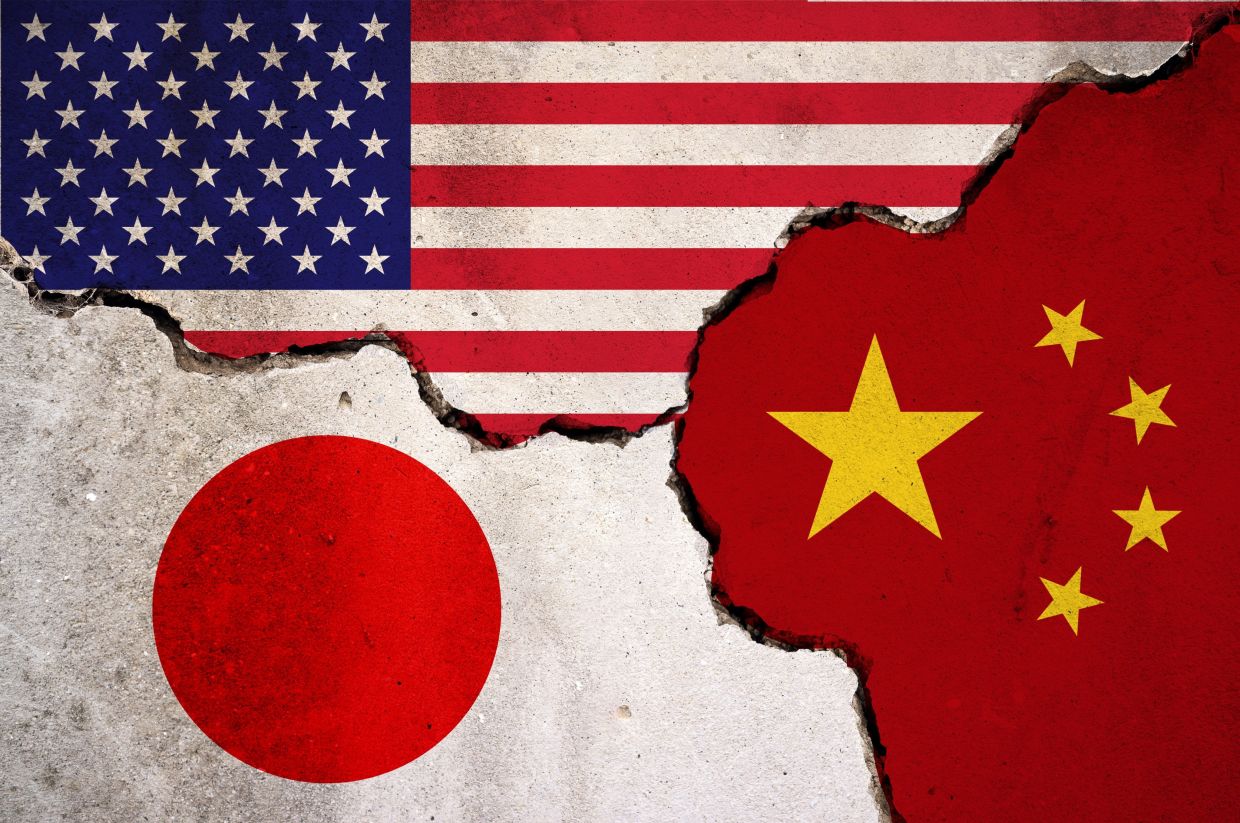
The strategic architecture that has underpinned East Asian stability for decades faces mounting strain as Beijing wages an escalating economic campaign against Japan, while Washington offers tepid backing to one of America's most critical allies. The tension, which has intensified over the past seven months, reveals fundamental shifts in how the Trump administration views alliance relationships and its own strategic priorities in a region increasingly defined by great-power competition.
The friction erupted in November when Japanese Prime Minister Sanae Takaichi made explicit what Tokyo has long implied: that a military assault on Taiwan would constitute an existential threat to Japan. "If it involves the use of warships and military actions, it could by all means become a survival-threatening situation," she declared to Japanese lawmakers, framing Japan's security interests in directly territorial terms rather than abstract alliance obligations. This rhetorical clarity, though arguably overdue given Japan's geographic proximity to Taiwan and its dependence on adjacent sea lanes for vital trade and energy supplies, touched what Beijing considers a core red line on national sovereignty.
Beijing's response has been multifaceted and deliberate. Beyond diplomatic protests, China has weaponised its economic influence, imposing restrictions on rare earths and implementing retaliatory measures designed to inflict tangible costs on Japanese industry without crossing into direct military confrontation. For a resource-dependent island economy like Japan, such pressure carries real consequences, yet the reaction from Washington has been conspicuously muted. Rather than rallying behind its treaty ally, the Trump administration has treated Japanese appeals for support as a secondary concern, according to sources familiar with private conversations between Tokyo and Washington officials.
Japanese officials have steadily escalated their requests for Washington to intervene with Beijing, intensifying from isolated inquiries to repeated discussions across cabinet and legislative channels. However, these entreaties have encountered a White House more focused on other geopolitical hotspots and less inclined toward the kind of vocal, public defence that Tokyo desperately requires. Trump reportedly raised China's rare earths restrictions with President Xi Jinping but without sufficient urgency or leverage to shift Beijing's calculus. The message filtering back to Tokyo amounts to diplomatic dismissal—a "you want this... Next subject" approach that has bred what Japanese officials privately describe as a "simmering dissatisfaction."
This apparent neglect reflects several interconnected calculations within the Trump administration. The president's escalating involvement in Middle Eastern affairs, particularly military support to Israel, has diverted both strategic attention and military resources away from East Asia. Deployment of anti-missile systems and naval assets toward the Persian Gulf leaves the Western Pacific relatively thinned at precisely the moment when regional allies require reassurance. Yet this explanation carries only partial weight, as Takaichi's November comments predated the February escalation of Iran-related conflict, suggesting deeper sources of Washington's detachment.
Analysts point instead to Trump's transactional worldview and his personal political calculations. With midterm elections approaching and his domestic popularity under pressure, the president may view coolness toward Japan as a bargaining chip in potential future negotiations with Beijing, whether through a proposed Washington summit or through ongoing trade discussions. By withholding public support for Tokyo on Taiwan-related matters while maintaining communication with Xi, Trump may believe he creates negotiating space that prioritises American commercial interests over regional alliance maintenance—a framework that fundamentally diverges from the collective-security assumptions that have structured the post-1945 US-led order.
Trump's long-standing scepticism toward allies compounds this dynamic. His repeated characterisation of security commitments as burdens borne by Washington, rather than mutually beneficial arrangements, reflects a zero-sum lens that misreads how alliance relationships actually function economically and strategically. Japan has demonstrably answered American calls for increased defence spending and strengthened military capabilities, yet these efforts have failed to generate corresponding diplomatic support during moments of crisis. The disconnect has been particularly galling to Tokyo, which invested substantially in deterrence capabilities precisely to support broader American strategic objectives in the Indo-Pacific.
Trump's frustration that Japan and European allies failed to provide naval support or other military assistance in the Persian Gulf has further soured his disposition. During a March White House meeting with Takaichi, he complained openly about the lack of allied contribution, suggesting that burden-sharing concerns now dominate his thinking even in contexts where they may not apply. His insistence that he requires no assistance, combined with criticism that allies should "step up," creates an impossible situation for partners trying to calibrate their own defence investments and diplomatic alignments.
Beyond policy disagreements, observers note that Trump's second-term focus has become increasingly personalised. Family business interests, cryptocurrency ventures, and accumulated grievances against individuals and institutions have crowded out more systemic geopolitical concerns. Within this constrained attention span, regional security matters in Asia occupy marginal priority status. The lack of support for Japan cannot be attributed solely to strategic calculations or policy disagreements—it reflects a broader reorientation of presidential focus toward personal rather than national interests.
For Japan and other regional stakeholders, this shift presents a disorienting strategic challenge. Tokyo faces an uncomfortable paradox: it requires visible American support to deter Chinese coercion, yet public appeals for such support risk inviting further Chinese pressure and appearing weak internationally. This vulnerability exposes Japan to a prolonged campaign of economic punishment that Washington seems unwilling or unable to counter. The irony is acute—Japan has strengthened its military capabilities and increased defence spending precisely to reduce American burden and reinforce alliance commitment, only to discover that these investments provide diminishing diplomatic returns when Tokyo's interests diverge from Trump's personal preoccupations.
The implications extend beyond bilateral US-Japan relations. Regional allies from South Korea to the Philippines are observing how the Trump administration treats a well-developed, strategically vital, and historically loyal partner. The message emerging from Washington—that alliance commitments yield limited protection when they compete with the president's other priorities—carries consequences for the entire architecture of American influence in Asia. Beijing, by contrast, has demonstrated remarkable patience and strategic clarity in its pressure campaign, suggesting that China's long-term approach to regional supremacy may prove more consistent and credible than American assurances hedged by presidential whim and domestic political calculation.

