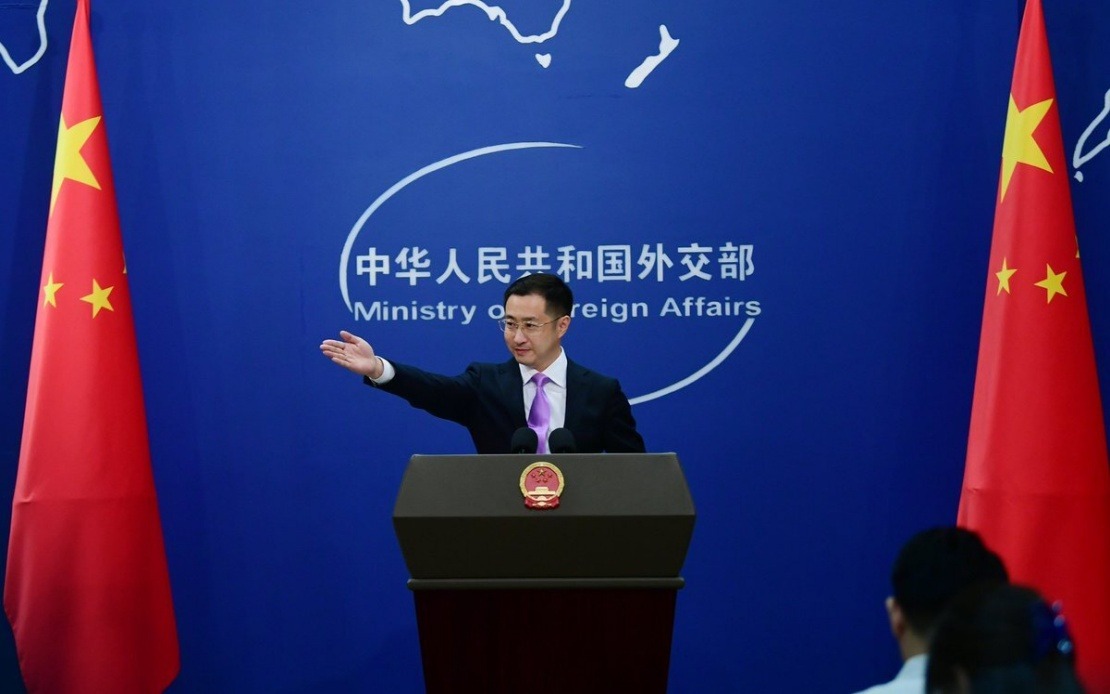
Beijing has publicly lauded Prime Minister Datuk Seri Anwar Ibrahim for reaffirming Malaysia's position on the sensitive Taiwan question, with the Chinese Foreign Ministry issuing a statement of appreciation for his consistent adherence to the one-China principle. The endorsement reflects China's satisfaction with Malaysia's diplomatic alignment on what remains one of Asia's most contentious geopolitical issues, particularly as regional tensions continue to simmer over Taiwan's international status and cross-strait relations.
Anwar's statements, delivered during a recent interview with international broadcaster Al Jazeera, conveyed Malaysia's long-standing recognition that Taiwan constitutes an inseparable part of China's territory. In his remarks, the Prime Minister underscored the universality of this position, noting that the one-China framework commands broad acceptance across the international community and represents a settled principle of Malaysian foreign policy. This public restatement of Malaysia's stance carries diplomatic weight in Southeast Asia, where geopolitical balancing between major powers remains a central strategic concern.
China's Ministry of Foreign Affairs amplified its approval through social media channels on Wednesday, posting a statement that emphasised Beijing's conviction that nothing will impede the trajectory toward reunification. The ministry further stressed that global commitment to the one-China principle represents an immutable cornerstone of contemporary international relations, resistant to external pressure or shifting political winds. This language reflects Beijing's broader messaging strategy, which frames the one-China position not merely as a bilateral diplomatic preference but as a universally endorsed principle that transcends individual nations' political positions.
During a regular press briefing in Beijing, Chinese Foreign Ministry spokesperson Lin Jian expanded on these themes, characterising Malaysia's support for the one-China principle as reflective of popular sentiment and alignment with what Beijing describes as historical righteousness. Lin reiterated the foundational Chinese position that Taiwan exists as an inalienable component of Chinese territory, rejecting any framework that treats the island as possessing separate international status. This framing underscores Beijing's rejection of what it perceives as artificial distinctions between China and Taiwan, treating such distinctions as violations of fundamental principles rather than legitimate geopolitical perspectives.
For Malaysia, this diplomatic exchange illuminates the delicate balance required when engaging with Beijing on matters of sovereignty and territorial integrity. As a Southeast Asian nation navigating relationships with multiple great powers, Malaysia's affirmation of the one-China principle serves to reinforce historical commitments while maintaining stable bilateral relations with China. The timing of Anwar's remarks and Beijing's public acknowledgment suggests deliberate diplomatic choreography, with both governments emphasising continuity in their bilateral understanding on this historically contentious question.
The significance of Anwar's position extends beyond bilateral symbolism, reflecting Malaysia's broader regional role. Southeast Asian nations collectively maintain diplomatic recognition of the People's Republic of China while respecting international norms regarding territorial integrity. Malaysia's explicit restatement of these principles in international forums signals to Beijing that member states of the Association of Southeast Asian Nations remain committed to established diplomatic frameworks, even as other regional concerns—including maritime disputes and economic competition—create friction within the greater Asia-Pacific environment.
China's public commendation of the Malaysian Prime Minister also functions as a demonstration effect within regional diplomacy. By elevating and praising Anwar's statements, Beijing simultaneously acknowledges Malaysia's alignment while providing a template for how other nations might strengthen their relationships with China on sensitive territorial matters. This approach represents Beijing's strategy of reinforcing partnerships with nations it perceives as supportive of its core interests, thereby building diplomatic constituencies for its positions on Taiwan and other sovereignty questions.
The one-China principle has constituted the foundation of Beijing's international diplomacy since the establishment of the People's Republic in 1949. Contemporary reaffirmations of this principle, particularly from established regional partners like Malaysia, carry symbolic importance beyond their immediate diplomatic content. Such statements reassure Chinese leadership that its core foreign policy positions maintain international legitimacy and acceptance, countering narratives that might suggest erosion of the principle's durability or growing international scepticism regarding China's territorial claims.
For Malaysian observers, these developments illustrate the consistent application of principles that have governed the nation's foreign policy across multiple administrations. Malaysia's recognition of the People's Republic of China, coupled with its acknowledgment of the one-China principle, reflects decisions made during earlier historical periods that continue to shape diplomatic architecture. This continuity, publicly affirmed by the current Prime Minister, demonstrates how Malaysia has sustained relationships with Beijing despite occasional tensions on other issues, including maritime boundaries and economic competition in Southeast Asia.

