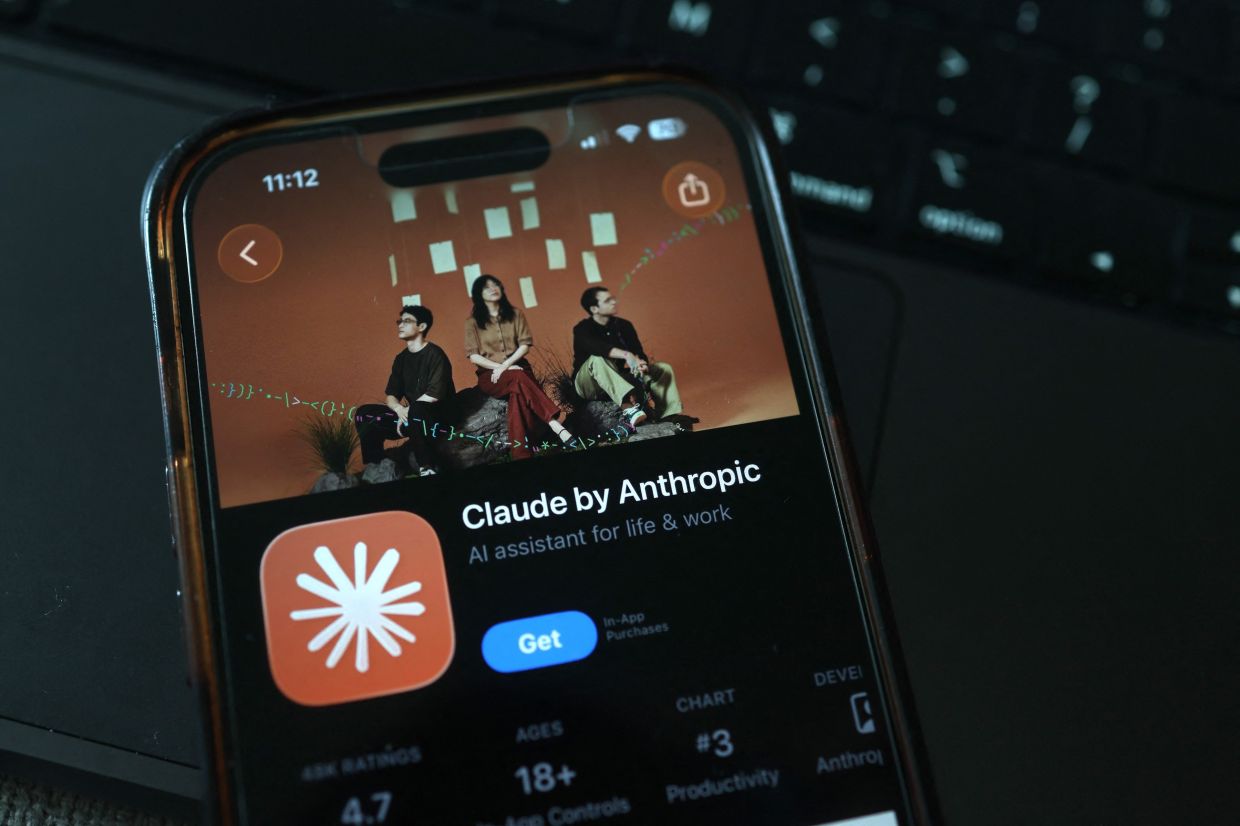
China's state-affiliated cybersecurity authority has raised alarms over potential data collection practices embedded in Anthropic's Claude Code, an artificial intelligence tool designed to generate, debug, and review computer code. The National Vulnerability Database, operating under China's Ministry of Industry and Information Technology, contends that the system contains hidden mechanisms allowing sensitive information—including user locations and identity markers—to be transmitted to Anthropic's servers without explicit user authorisation.
Claude Code represents a significant advancement in generative AI capabilities, enabling developers to automate routine programming tasks through conversational prompts. The tool reflects Anthropic's broader ambition to position itself as a leading provider of enterprise artificial intelligence solutions. However, the product's global rollout has collided with geopolitical sensitivities, particularly regarding data sovereignty and algorithmic transparency in China, where technology sector oversight has intensified in recent years.
Anthropoic's business model deliberately excludes users and organisations operating within China and other nations deemed strategically adversarial to the company's interests. Nevertheless, determined users can circumvent these restrictions through virtual private networks and third-party proxy intermediaries, creating potential pathways for the tool's deployment despite official geographic limitations. This technical reality underscores the growing challenge of enforcing digital borders in an interconnected technology ecosystem.
The allegation carries substantial weight given that China's cybersecurity apparatus has become increasingly assertive in scrutinising foreign technology imports. The National Vulnerability Database, functioning as a central registry for security defects and exploitable weaknesses, commands significant credibility within domestic regulatory circles. The platform's public warning constitutes a formal advisory that reverberates across government agencies and major corporations operating under regulatory oversight.
Anthropoic declined to engage with international media inquiries regarding the allegations, maintaining silence even as the controversy gained traction among technology journalists and industry analysts. This reticence contrasts sharply with the company's typical pattern of public communication and raises questions about whether Anthropic views the matter as requiring careful legal consideration or whether it simply prioritises other concerns.
Claude Code engineer Thariq Shihipar subsequently addressed the controversy through social media, framing the contested data collection mechanism as a temporary experimental feature implemented in March specifically to prevent account abuse by unauthorised resellers and to safeguard against a technique called model distillation—a process through which competitors extract and replicate the underlying intelligence of proprietary AI systems. Shihipar indicated that enhanced technical protections had since been developed and that the organisation had intended to discontinue the tracking functionality well before the present controversy erupted.
Shihipar's explanation situates the security concern within a genuine operational dilemma facing AI developers: balancing the imperative to protect proprietary models and revenue streams against user expectations regarding transparency and consent. The distillation threat Shihipar mentions carries particular resonance given Anthropic's previous public disputes with Alibaba, the Chinese technology conglomerate, over allegations that the company had replicated Anthropic's AI capabilities through reverse engineering and analytical reproduction.
Alibaba subsequently announced restrictions prohibiting employees from utilising Claude Code, effective immediately upon notification and formally operative from July 10, according to individuals with knowledge of internal company directives. The ban reflects corporate risk management calculus in an environment where state authorities scrutinise foreign technology dependencies. For major Chinese enterprises, adopting cautious postures toward foreign tools facing domestic security designations constitutes prudent legal and operational practice.
The tension between Anthropic and Chinese technology interests illuminates broader structural anxieties within the global artificial intelligence sector. Chinese authorities have grown vigilant regarding potential surveillance mechanisms embedded within foreign software, particularly those capable of accessing developer credentials and proprietary code repositories. These repositories frequently contain intellectual property that represents years of investment and competitive advantage. The prospect of uncontrolled data transmission thus strikes at fundamental concerns about corporate espionage and technology theft.
For Southeast Asian technology ecosystems and policy makers, the Anthropic dispute carries cautionary implications. Many nations in the region—including Malaysia—navigate complex terrain between engagement with Western technology platforms and concerns regarding data sovereignty and regulatory control. The Anthropic controversy demonstrates how security allegations, whether substantive or contestable, can rapidly cascade into commercial restrictions and broader technology adoption decisions.
Anthropoic indicated that the disputed tracking mechanism would be completely removed in its July 2 release, suggesting that technical remediation would commence imminently. Whether this timeline reassures Chinese regulators and multinational technology firms operating within China remains uncertain. The incident underscores the vulnerability of Silicon Valley companies to regulatory actions in markets where they lack established relationships with local authorities and where suspicions regarding Western technology practices run comparatively deep.
The episode also reflects how AI governance remains unsettled globally. While formal regulatory frameworks develop gradually through government processes, real-time security allegations can inflict immediate commercial damage. This dynamic creates incentives for technology companies to prioritise transparency and consent mechanisms, yet also generates opportunities for security concerns—legitimate or exaggerated—to influence competitive positioning in strategically important markets.

