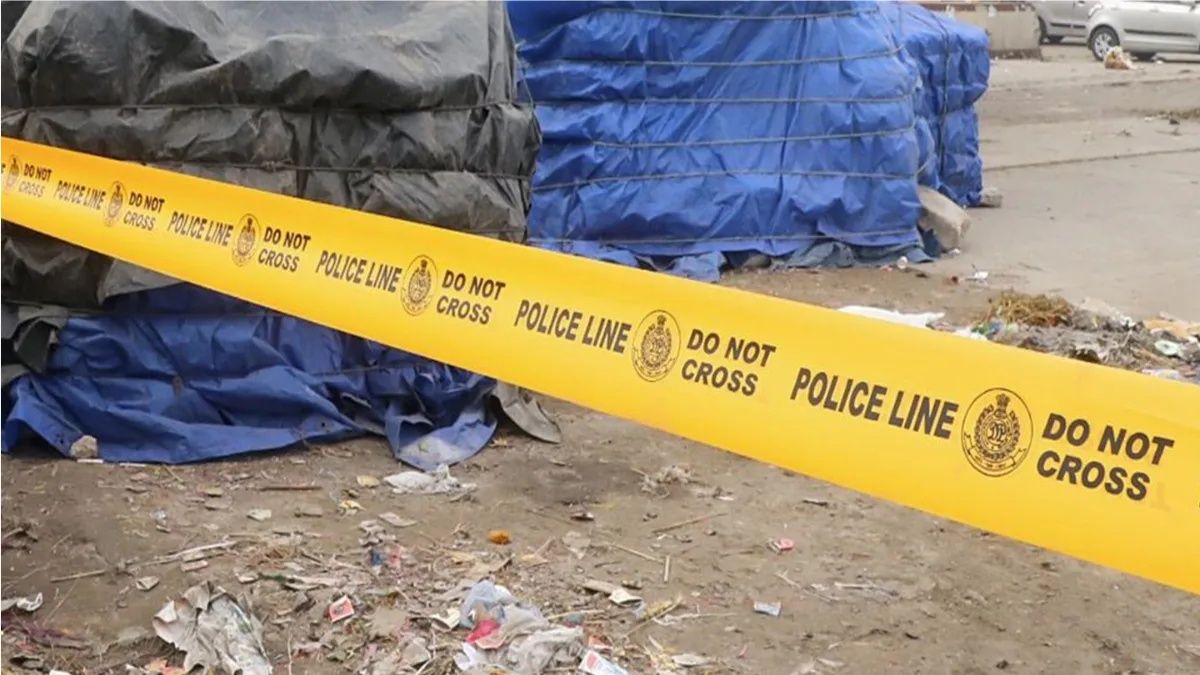
A tragic case in West Bengal's Baruipur district has spiralled into communal violence, leaving authorities grappling with both the investigation into a child's death and the fallout from mob justice. The body of a 12-year-old girl was discovered in a pond near her home in Suryapur on Sunday morning, triggering immediate and intense public anger that manifested in roadblocks, railway disruptions, and the fatal beating of a youth suspected of involvement in the crime.
According to the victim's family, the girl departed her residence on Saturday evening intending to purchase food from a neighbouring shop, but failed to return home. The family has alleged that four individuals forcibly abducted her. When she did not arrive by the following morning, relatives launched an urgent search that ended with the horrifying discovery of her body wrapped inside a sack and submerged in the pond. The child's remains were found at Dhapdhapi II Gram Panchayat, an area under local administrative jurisdiction.
News of the discovery rapidly spread through the village, drawing hundreds of residents to the scene within hours. The gathering quickly transformed into an angry demonstration, with villagers refusing to permit police officers to remove the body for examination. The emotional intensity of the crowd reflected both grief and fury at what many saw as a preventable tragedy and a systemic failure of protection. For several hours, the body remained at the pond site while community members vented their anguish and demanded immediate action against perpetrators.
The scale of public anger manifested in multiple forms of disruption across the district. Protesters erected roadblocks that remained in place for nearly five hours, effectively halting vehicular traffic through key routes. More significantly, railway tracks at Suryapur station on the Sealdah-Namkhana section were obstructed, forcing cancellations and delays that affected train services for approximately one hour. Only after substantial police intervention and appeals for restraint did residents agree to clear the routes and resume normal operations. The strategic targeting of rail infrastructure suggests the level of desperation among residents seeking to force government attention to their grievances.
Tensions escalated dramatically when villagers identified and apprehended a local youth whom they believed had participated in the crime. Witnesses reported seeing him in the company of other suspects, but his detention by the mob quickly devolved into vigilante violence. Despite police efforts to rescue him from the gathering crowd, the youth was fatally beaten by angry residents before officers could intervene effectively. The mob's actions represented a breakdown of faith in the formal justice system and a resort to extrajudicial punishment—a pattern that periodically emerges in cases involving violence against children across India.
The situation deteriorated further as protesters turned their anger toward police personnel attempting to control the demonstration. Stones were hurled at officers, multiple vehicles were vandalised, and several constables sustained injuries during the confrontations. One police officer required hospital admission for treatment of wounds received during the clashes. The attacks on law enforcement revealed the depth of community distrust and the volatile atmosphere surrounding the investigation. Police responded by deploying substantial numbers of personnel and securing assistance from central security forces to restore order and prevent additional outbreak of violence.
Investigators have made progress in apprehending suspects, though full accountability remains incomplete. Two persons have been arrested in connection with the girl's murder, while the youth beaten by the mob represents a third fatality linked to the case. Police sources indicate that a fourth suspect may remain at large, corresponding with the family's account of four individuals involved in the abduction. The investigation is ongoing, with officers examining all circumstances surrounding the minor's death and the subsequent vigilante killing that claimed another life.
Authority figures moved quickly to assert control and demonstrate commitment to the case. Inspector General of Police Kankar Prasad Barui visited Baruipur and addressed the gathered crowd through public address systems, appealing for calm while pledging that no perpetrator would escape justice. He explicitly assured residents that police would pursue the strongest possible legal penalties and promised that post-mortem procedures would proceed according to proper protocols. His presence signalled official acknowledgement of the gravity of the situation and the legitimacy of community outrage.
West Bengal Chief Minister Suvendu Adhikari engaged directly with the victim's family, speaking by telephone to the girl's father and extending condolences while reiterating assurances that the law would deliver strict punishment. The Chief Minister extended an invitation for the bereaved father to visit Nabanna on Tuesday for further discussion of the case, offering state assistance to the family. This high-level political engagement reflects both the sensitivity of crimes against children and the broader political implications when public order deteriorates in response to such tragedies.
The broader context for these events relates to ongoing concerns across South Asia regarding violence against children and the public's declining confidence in police protection. When formal systems appear inadequate or unresponsive, communities sometimes resort to mob justice despite its illegality and unpredictability. The Baruipur incident demonstrates how a single crime can trigger secondary violence and disorder that extends harm beyond the original victims. Malaysian authorities and policymakers monitoring developments in neighbouring countries should note how such cases strain community-police relations and create cycles of violence that prove difficult to interrupt once initiated.
As Sunday progressed, police gradually restored normalcy by securing agreement from protesters to withdraw blockades. The victim's body was transferred to Baruipur Sub-Divisional Hospital for post-mortem examination under appropriate medical and legal supervision. Security arrangements were intensified across the affected area to deter further mob action. Investigators continue examining whether additional persons beyond the three already identified bore responsibility for the crime, while also documenting the circumstances of the vigilante killing and investigating assaults on police personnel. The case will likely proceed through multiple legal channels simultaneously as different aspects—the original crime, the mob violence, and attacks on law enforcement—advance through separate investigative and prosecutorial pathways.

