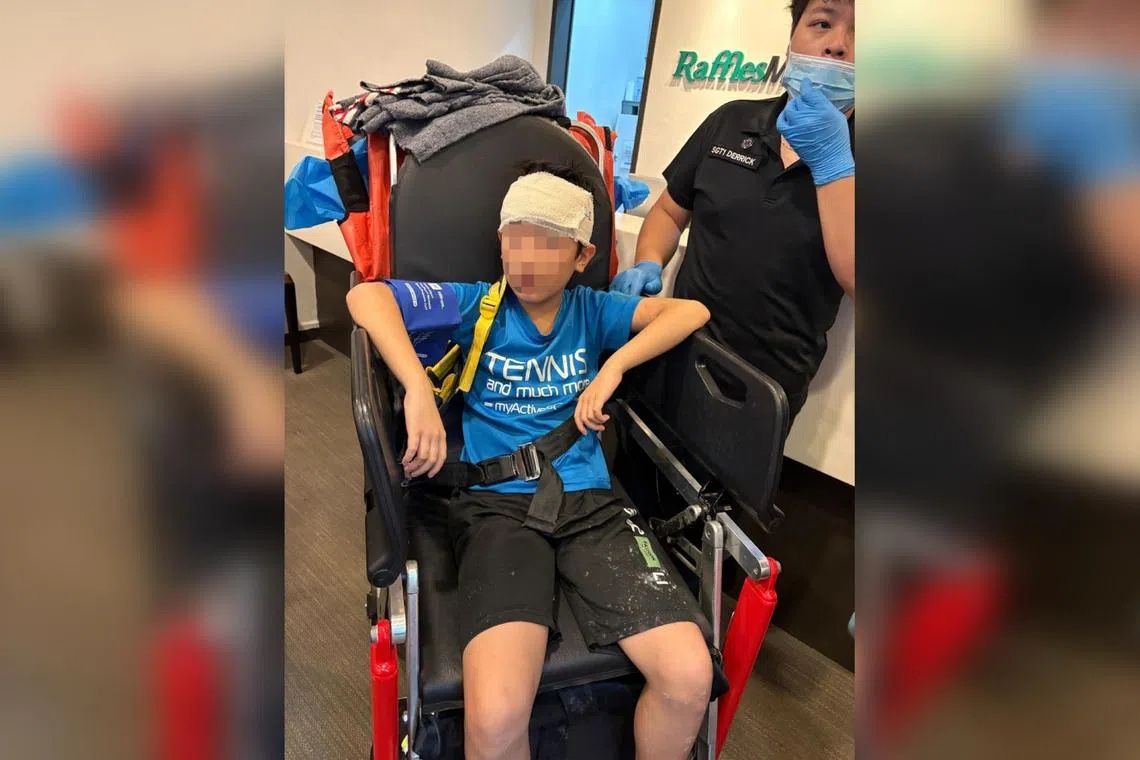
A child was hospitalised after a structural collapse at a food establishment in Singapore's Rivervale Mall raised fresh concerns about building maintenance standards in busy retail spaces. The incident occurred at a Food Junction outlet on the ground floor of the Sengkang shopping centre around 10.30am on Saturday, June 20, when a signboard gave way, striking the young visitor. The Singapore Civil Defence Force responded to the emergency call and transported the injured child to KK Women's and Children's Hospital for medical evaluation and care.
The immediate response from mall authorities and emergency personnel appeared swift, according to statements released in the aftermath. Food Junction management confirmed awareness of the incident and emphasized that their staff coordinated closely with Rivervale Mall's management and first responders to assist the affected customer. The company's representatives indicated that following initial hospital treatment, the child had been discharged and was recovering at home, though specifics regarding the severity of injuries remained undisclosed.
Social media footage of the incident painted a stark visual picture of the collapse's extent. Videos shared on TikTok platform showed substantial rubble scattered across the entrance to the Food Junction outlet, with portions of the ceiling infrastructure visibly compromised while remaining sections hung precariously. Bystanders in the recordings appeared to maintain safe distances from the debris field, suggesting awareness of ongoing hazard risks during the immediate aftermath.
Investigations into the underlying cause of the structural failure commenced immediately, with Food Junction's management pledging a comprehensive review process. The company indicated it would work with relevant authorities to identify contributing factors and strengthen preventative measures across all locations. As part of enhanced safety protocols, the outlet has reportedly reinforced all security precautions in accordance with regulatory standards, though the specific nature of these reinforcements was not detailed publicly.
Operations at the affected Food Junction outlet have since resumed, signalling confidence that the incident did not require prolonged facility closure or permanent remediation work. The company issued an apology for the incident, acknowledging the distress caused to the customer and broader public concern about such unexpected safety failures in frequented commercial spaces.
The collapse raises questions about maintenance schedules and inspection protocols at large shopping centres throughout Singapore and the broader Southeast Asian region. Retail malls typically host thousands of daily visitors and contain numerous suspended fixtures and signage installations, each representing potential hazard points if proper upkeep protocols are not rigorously observed. Regular structural audits and preventative replacement of aging components are essential safeguards that retailers and mall operators must prioritise.
The Building and Construction Authority, Singapore's regulatory body overseeing construction standards and building safety, has been contacted for information regarding whether additional investigations would be undertaken or whether existing protocols required revision. Such inquiries typically determine whether the incident reflected isolated negligence or broader systemic concerns within that particular facility's maintenance framework.
For Malaysian and regional readers, this incident carries relevance as comparable shopping centres across Kuala Lumpur, Penang, Johor Bahru, and other major urban centres operate under similar structural management pressures. Frequent inspections of suspended installations—signboards, air conditioning units, electrical fixtures, and decorative elements—represent critical safety infrastructure that property managers must not deprioritise amid operational demands.
The incident also underscores emerging consumer awareness regarding liability and accountability in shared commercial spaces. Injured parties increasingly expect swift assistance, transparent communication, and genuine corrective action rather than mere apologies. Food Junction's coordinated response and commitment to investigation appears designed to demonstrate responsibility, though the broader retail sector faces ongoing pressure to demonstrate commitment to visitor safety as a foundational operational principle.
Parents and caregivers visiting bustling foodcourts and shopping complexes across Southeast Asia may now feel compelled to exercise heightened vigilance regarding overhead installations, particularly in areas frequented by children. While serious incidents remain statistically uncommon, their occurrence in high-traffic facilities inevitably generates public concern and scrutiny of institutional safety cultures.
Longer-term implications may include increased regulatory focus on predictive maintenance technologies and real-time monitoring systems designed to detect structural weakening before catastrophic failure occurs. Investment in such preventative infrastructure, though costly initially, demonstrates financial prudence when weighed against liability exposure, reputational damage, and most importantly, prevention of injury to patrons whose safety represents the foundation of successful retail operations.