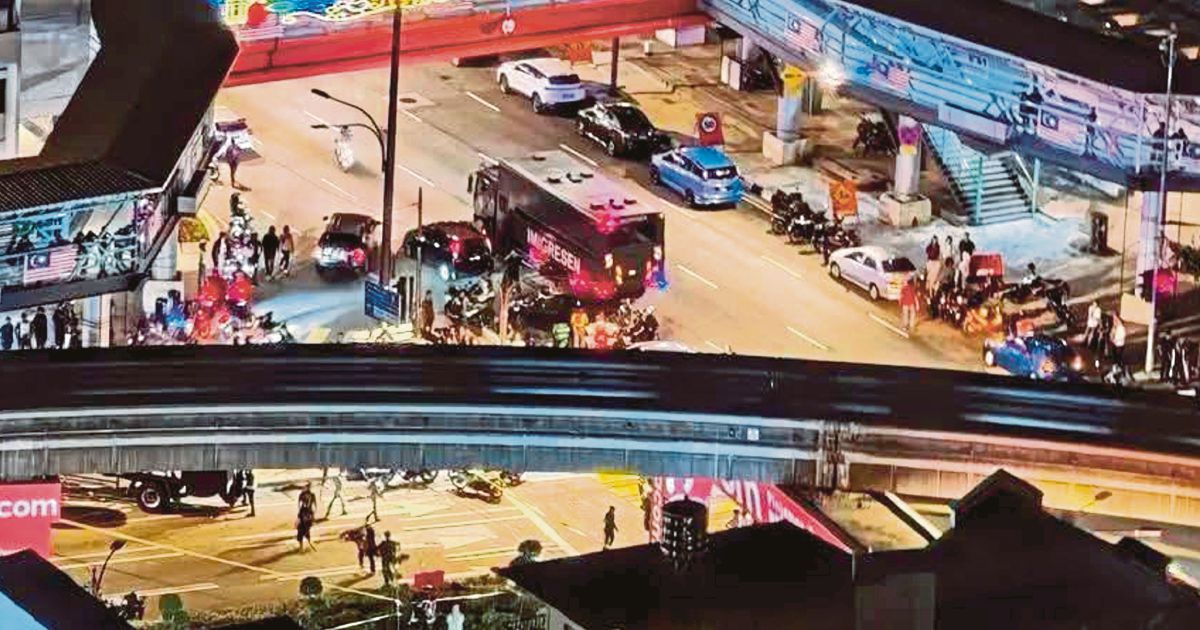
Investigators in Kuala Lumpur are closely examining dashcam recordings and surveillance footage as they work to determine the circumstances surrounding a tragic collision that claimed the lives of a man and his two young daughters on Jalan Sultan Ismail. The accident, which occurred early in the morning on the city's major thoroughfare, has prompted a detailed forensic examination of all available video evidence from the scene.
The multi-source video analysis represents a crucial phase in the police investigation, drawing on multiple perspectives to establish what led to the impact between the Immigration Department lorry and the family's vehicle. Dashcam footage, increasingly common in Malaysia as drivers seek protection against traffic incidents, provides real-time documentation from the vehicles involved or nearby motorists. Meanwhile, CCTV footage from surrounding commercial establishments and traffic infrastructure offers additional angles on the incident, potentially capturing events in the seconds and minutes leading up to the collision.
Such traffic accidents occurring during early morning hours often involve distinctive hazards. Reduced visibility, potentially diminished alertness from drivers after overnight travel, and lighter traffic volumes that may paradoxically encourage higher speeds all contribute to the risk profile during these periods. Investigators will be examining whether any of these factors played a role in the fatal collision.
The involvement of an Immigration Department vehicle adds a procedural dimension to the inquiry. Government vehicles operating in urban areas must adhere to the same traffic regulations as private vehicles, and investigators will be establishing whether the lorry was operating within prescribed safety parameters at the time of impact. The driver of the Immigration Department vehicle will likely be a central focus of the investigation, with police reviewing driving records, vehicle maintenance documentation, and potential factors such as driver fatigue.
Malaysian authorities have shown increasing sophistication in traffic accident reconstruction over recent years, particularly in cases involving fatalities. The combination of dashcam and CCTV evidence allows investigators to establish vehicle speeds, angles of approach, and the sequence of evasive actions, if any, taken by either driver. Modern video forensics can also reveal environmental conditions such as road surface conditions, weather factors, and lighting circumstances that may have influenced driver visibility and vehicle control.
The loss of three family members in a single incident carries profound implications for both the grieving family and the broader public discourse around road safety. Fatal traffic collisions remain a significant public health challenge across Southeast Asia, with Malaysia consistently recording concerning casualty figures. This tragic incident serves as a reminder of the devastating consequences when vehicle accidents occur, particularly those involving larger commercial vehicles where the disparity in mass creates inherent dangers for occupants of smaller passenger cars.
The investigation's reliance on video evidence reflects modern investigative methodology, yet police will also be gathering traditional evidence including physical examination of both vehicles, witness statements from anyone present at the scene, and technical data from the vehicles themselves. Some modern vehicles automatically record impact data that can assist investigators in determining the precise mechanics of the collision.
The early morning timing of the accident may also inform the investigation's direction. Traffic patterns on Jalan Sultan Ismail, one of Kuala Lumpur's principal roads, differ substantially between rush hours and early morning periods. Understanding the actual traffic flow at the moment of collision may reveal whether congestion, unexpected traffic movements, or the reverse—relatively clear road conditions that might have encouraged excessive speed—played contributory roles.
As the investigation progresses, the police will synthesise findings from video analysis with engineering data and witness testimony to develop a comprehensive understanding of causation. This multi-layered approach is standard practice in major traffic fatality investigations throughout Malaysia and represents an attempt to ensure that such tragic incidents yield valuable insights that might inform future road safety interventions and policy discussions.
The tragedy underscores persistent vulnerabilities in Malaysia's road environment, despite ongoing safety campaigns and enforcement initiatives. While dashcam and CCTV footage will likely provide clarity on the immediate mechanics of this collision, road safety experts continue to advocate for broader systemic improvements including vehicle safety standards, driver training enhancements, and infrastructure modifications in high-risk areas.
Family members and the broader public will be awaiting the conclusions of the police investigation, which typically takes several weeks to months to complete for fatalities of this nature. The findings may eventually inform recommendations regarding safety improvements on Jalan Sultan Ismail or contribute to broader policy discussions within the Immigration Department regarding vehicle operations and driver standards for government fleet vehicles.

