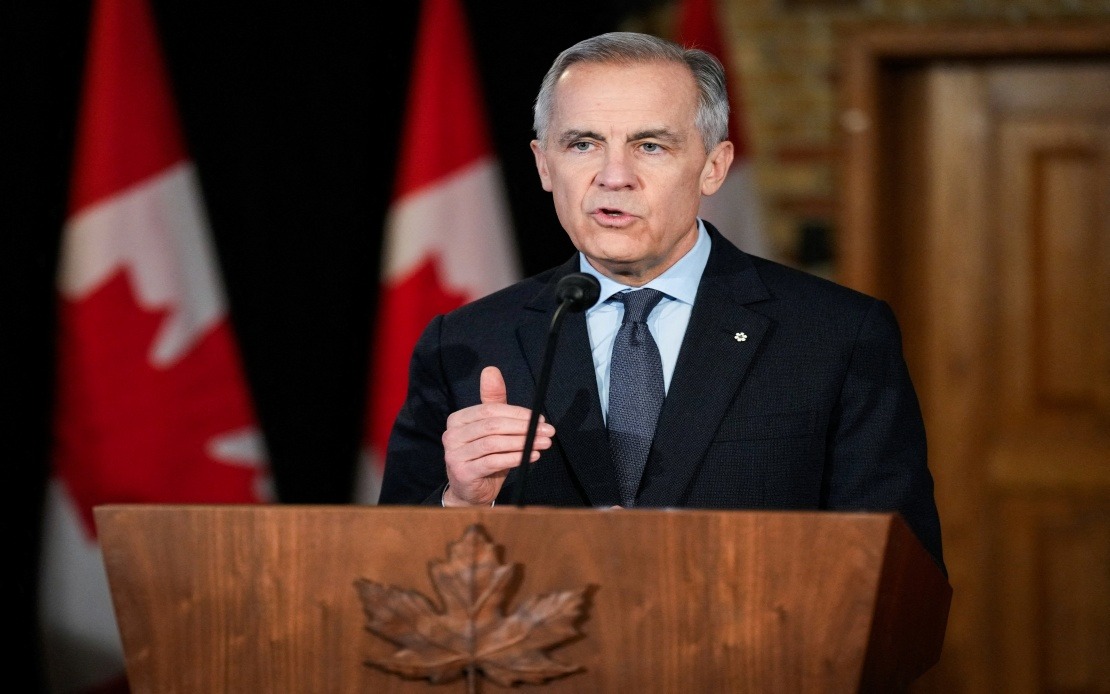
The escalating trade tensions between the United States and Canada have taken a tentative turn, with Washington agreeing to hold off on implementing steep tariffs against its northern neighbour. Canadian Prime Minister Mark Carney announced Wednesday that the suspension of fifty per cent duties on Canadian goods would remain valid through the end of Thursday, August 21, offering negotiators a narrow window to hammer out a comprehensive trade agreement.
The tariff pause represents a calculated diplomatic manoeuvre from President Donald Trump's administration, signalling willingness to negotiate while maintaining pressure on Canadian officials to reach terms quickly. By establishing a firm deadline rather than an open-ended moratorium, the American approach combines carrots with implicit threats, forcing Canada to accelerate decision-making across multiple economic sectors affected by the proposed duties.
In his official statement, Carney acknowledged that substantial headway has been achieved during intensive bilateral discussions, yet cautioned that considerable effort remains before a final accord materialises. His balanced tone reflects the precarious nature of the current talks, where optimism about progress must be tempered against awareness that fundamental disagreements could still derail negotiations entirely. The prime minister's public messaging appears designed to signal confidence to domestic audiences while maintaining realistic expectations about the complexity of reaching a lasting settlement.
The timing of the tariff announcement, coming overnight into Wednesday, caught many observers by surprise and highlighted the fluid, high-stakes nature of contemporary trade diplomacy. Trump's decision to implement a pause rather than proceed with threatened duties suggests either meaningful concessions from Canada or recognition that escalation could trigger damaging counter-tariffs and economic retaliation that neither side ultimately desires. The forty-eight-hour window before the August 21 deadline creates intense pressure on both negotiating teams to resolve outstanding issues.
For Canadian policymakers, the stakes extend far beyond abstract trade metrics. A fifty per cent tariff regime would devastate sectors including automotive manufacturing, energy exports, and agricultural products that rely heavily on American market access. The automotive sector alone, which maintains deeply integrated supply chains across the Canada-US border, would face catastrophic disruption. Industries already navigating post-pandemic recovery and inflationary pressures would confront a sudden, drastic increase in operating costs and potential revenue collapse.
Carney's emphasis on Ottawa's commitment to bolstering economic independence and competitiveness signals broader strategic thinking beyond immediate tariff negotiations. Even if a short-term agreement is reached by August 21, the Canadian government appears determined to reduce long-term vulnerability to American trade policy shifts by diversifying trading relationships and strengthening domestic productive capacity. This reflects recognition that reliance on preferential US market access carries inherent risks in an era of unpredictable protectionist policies.
The suspension period also provides context for regional observers across Southeast Asia and other trading nations watching how disputes with the Trump administration unfold. Canada's experience demonstrates both the leverage available to negotiators willing to engage directly and the precariousness of arrangements dependent on executive goodwill rather than institutional frameworks. For Malaysian policymakers and business leaders assessing their own trade relationships with the United States, the Canadian negotiations offer instructive lessons about preparedness and contingency planning.
The August 21 deadline carries symbolic weight as well as practical significance. By selecting a specific, imminent date rather than extending negotiations indefinitely, Trump's team imposes artificial urgency that can either crystallise agreements or precipitate breakdown. Carney's statement accepting this timeline without publicly objecting suggests Canada's negotiators believe sufficient progress is possible within the compressed timeframe, though this confidence may reflect hope as much as conviction.
Historically, Canada-US trade relationships have weathered numerous conflicts through sustained engagement and mutual recognition of interdependence. The current tariff dispute, however, occurs within a transformed geopolitical and economic context where traditional assumptions about continental integration face unprecedented challenge. The temporary pause thus represents not merely a breathing space but a crucial moment when both nations' commitment to finding common ground will be definitively tested.
Looking ahead to the closing days before August 21, Canadian negotiators must balance firmness on core national interests against flexibility necessary to achieve compromise. Whether this narrow window proves sufficient to forge an agreement or merely delays inevitable confrontation will significantly shape economic relationships across North America for years ahead. The global trading system watches closely, aware that outcomes of this negotiation may establish precedents affecting countless other bilateral and multilateral arrangements.

