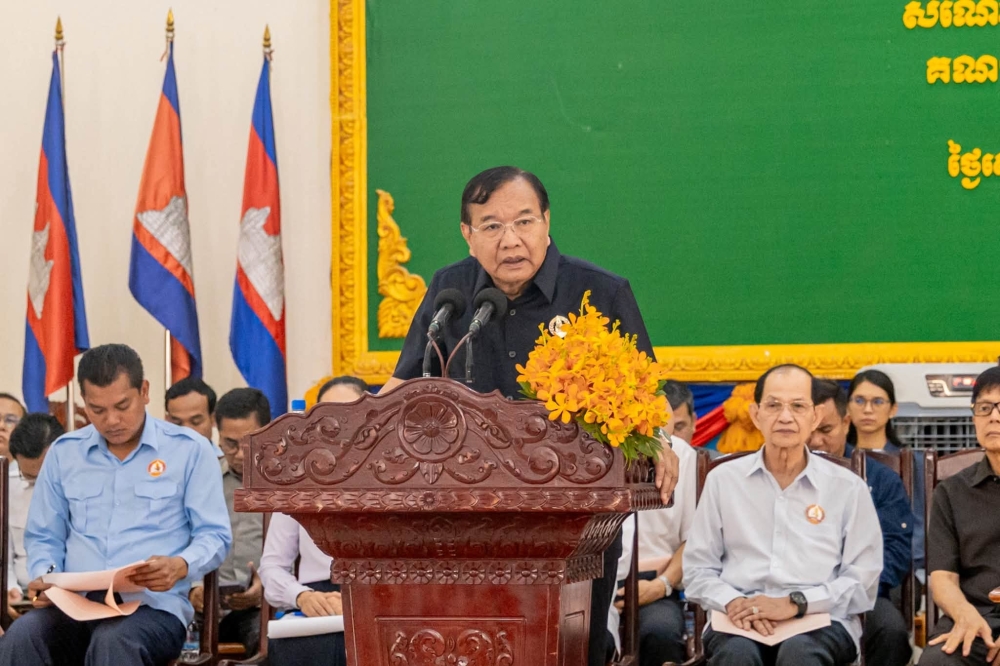
Cambodia's Deputy Prime Minister and Foreign Minister Prak Sokhonn touched down in Malaysia this week for a carefully scheduled two-day official visit, underscoring the importance both nations place on their diplomatic relationship and ongoing regional integration efforts. The high-level visit represents a continuation of the intensive engagement between Phnom Penh and Kuala Lumpur, as the two Southeast Asian neighbours navigate a complex geopolitical landscape and pursue shared economic objectives within ASEAN frameworks.
The timing of Sokhonn's arrival reflects broader strategic considerations within the Association of Southeast Asian Nations. Cambodia, as the current or recent ASEAN chair, holds particular sway in shaping the bloc's collective positions on regional security, trade policy, and development initiatives. Malaysia's receptiveness to hosting senior Cambodian officials demonstrates Kuala Lumpur's commitment to maintaining robust ties with all ASEAN member states, regardless of the often-shifting dynamics within the regional grouping.
Bilateral relations between Malaysia and Cambodia extend across multiple dimensions. Trade flows between the two nations have shown resilience, with Malaysian businesses maintaining significant investments in Cambodia's manufacturing and services sectors, while Cambodian exports—particularly in garments, agricultural products, and raw materials—find stable markets in Malaysia. The visit provides an opportunity to assess the health of these commercial linkages and identify new growth areas as both economies recover from pandemic-related disruptions and adapt to evolving global supply chains.
The foreign minister's portfolio carries particular weight during such visits. Sokhonn's dual role as Deputy Prime Minister and Foreign Affairs Minister reflects Cambodia's approach to managing diplomatic affairs as a matter of national priority. His presence in Malaysia signals that discussions will extend beyond routine courtesy calls to encompass substantive matters of mutual concern, potentially including security cooperation, maritime affairs, and efforts to maintain the delicate balance of great power engagement that characterises contemporary ASEAN diplomacy.
For Malaysian observers, the visit underscores the nation's continued centrality in Southeast Asian affairs. Despite Malaysia's own complex domestic political situation in recent years, the country remains a preferred diplomatic hub for regional counterparts, offering a stable venue for serious engagement. The infrastructure and institutional experience that Malaysia has accumulated as a repeat host of high-level regional meetings provides tangible advantages when maintaining bilateral relationships with neighbouring states.
Regional stability considerations likely feature prominently in discussions between Malaysian and Cambodian officials. Both nations have stakes in ensuring that ongoing tensions in the South China Sea, including disputes over maritime boundaries and resource rights, do not escalate into direct conflicts that could destabilise the broader region. Additionally, both countries participate in various ASEAN-centred mechanisms designed to manage regional disputes and maintain the rules-based order that underpins Southeast Asian prosperity.
Cultural and people-to-people dimensions of the Malaysia-Cambodia relationship also merit attention during such official visits. The presence of Cambodian communities in Malaysia and ongoing educational exchanges represent soft power assets that diplomatic engagement seeks to nurture. Universities, private sector partnerships, and civil society connections create networks of mutual understanding that support formal government relations during periods of stress or disagreement.
The two-day format of the visit suggests a packed agenda with multiple bilateral meetings at various levels of government. Malaysian officials responsible for foreign affairs, economic development, trade, and potentially defence and security matters would typically prepare position papers and talking points for such encounters. The Cambodian delegation would similarly come equipped with specific proposals or requests for cooperation, whether in infrastructure development, technical assistance, or diplomatic coordination within ASEAN.
From a Malaysian perspective, the visit represents an investment in the stability of the immediate region. Cambodia's role as a land bridge between mainland and maritime Southeast Asia gives it strategic importance beyond its size or economic weight. Maintaining strong relations with Phnom Penh helps Malaysia navigate the complex politics of ASEAN consensus-building and ensures that Malaysian interests receive adequate consideration in regional forums and discussions.
Looking ahead, the outcomes of Sokhonn's visit will likely be reflected in joint statements emphasising areas of agreement, commitments to deepen cooperation in identified sectors, and reaffirmations of mutual respect and non-interference principles. Such diplomatic language, while sometimes dismissed as boilerplate, actually encodes important understandings about how the two nations intend to manage their relationship and contribute to regional stability during a period of significant geopolitical uncertainty.

