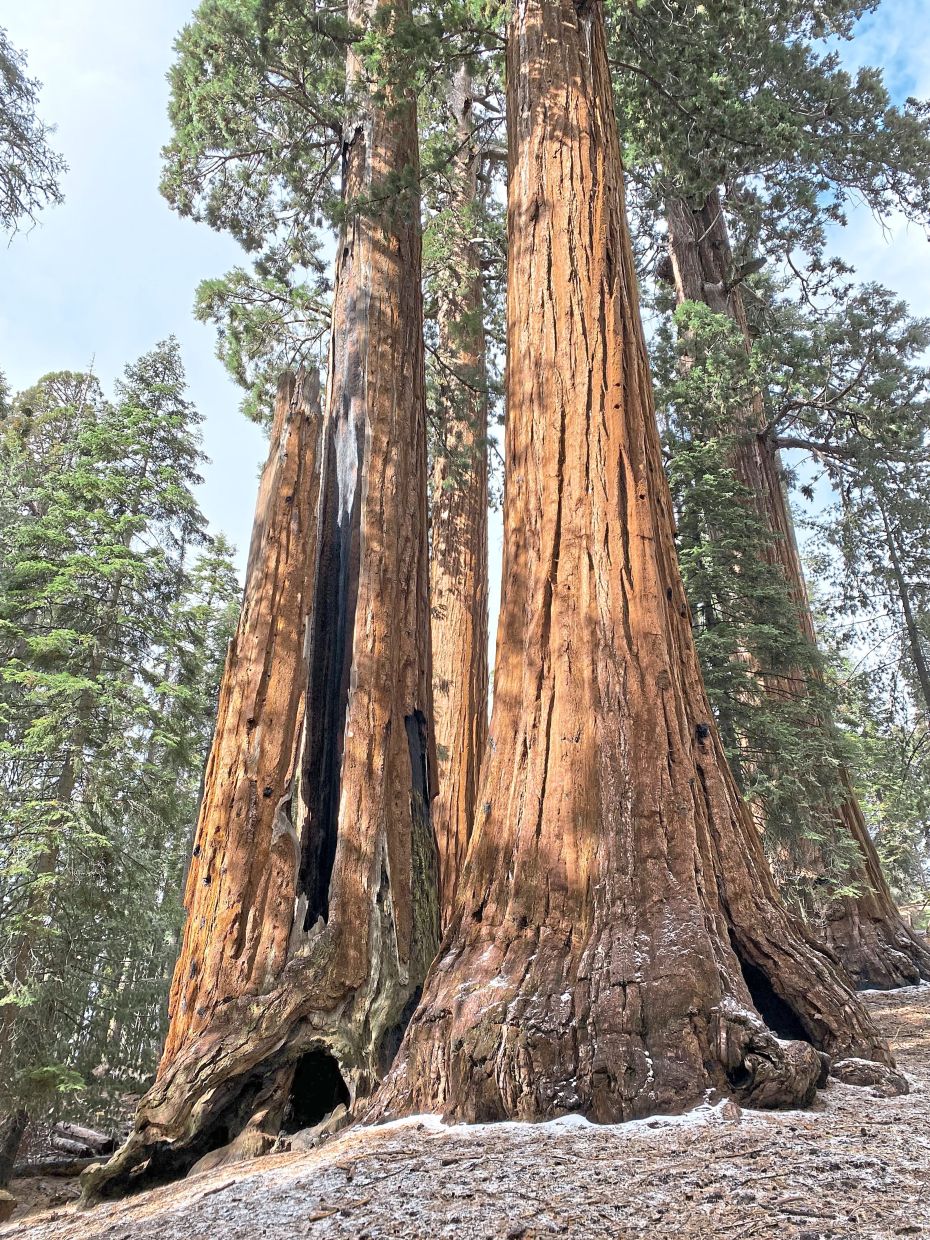
A coalition of government agencies, tribal representatives and environmental organisations has mobilised to save one of Earth's most remarkable species from extinction-level wildfire risk. The initiative comes five years after devastating blazes swept through California's southern Sierra Nevada region, incinerating nearly 20 per cent of the world's giant sequoias and fundamentally altering how experts approach forest management in the western United States.
The catastrophic fires of 2020 and 2021 transformed Sequoia National Park, Sequoia National Forest and surrounding areas into what many scientists described as a sobering wake-up call. These ancient giants—trees that tower 91.5 metres high and can survive for three millennia—proved surprisingly vulnerable to the unprecedented intensity of modern wildfires. The scale of loss sparked soul-searching among land managers and environmental professionals who recognised that conventional approaches to fire suppression had inadvertently created conditions for ecological catastrophe.
KEvin Conway, who oversees state forest programmes for Cal Fire, described the emotional toll of witnessing such destruction. The question haunting fire management professionals was whether more aggressive intervention decades earlier might have prevented the crisis. This introspection proved productive, catalysing formation of the Giant Sequoia Lands Coalition, an unprecedented partnership formally established in 2022. The coalition brings together eight primary members—Cal Fire, California State Parks, the National Park Service, Tulare County, the Tule River Indian Tribe of California, UC Berkeley, the US Forest Service, and the Bureau of Land Management—alongside nine additional supporting organisations.
The coalition's work programme addresses a fundamental problem created by a century of fire suppression policies. Before European settlement, lightning strikes and Indigenous burning practices kept giant sequoia groves relatively open, with fires sweeping through approximately every decade to two decades. This regular burning prevented dangerous accumulation of fuel. However, aggressive fire-fighting efforts throughout the twentieth century allowed dense thickets of smaller tree species—white fir, red fir, incense cedar, and dead sugar pines and ponderosa pines—to proliferate beneath the towering sequoias. When wildfires do breach these forests today, they burn with unprecedented ferocity through this dense understory, generating heat intense enough to threaten even the ancient giants.
Progress reported in early May demonstrates substantive momentum. Since operations commenced in 2022, restoration teams have thinned overgrown vegetation in 44 of California's 94 giant sequoia groves. Across these areas, crews have implemented controlled burns using techniques practised by tribal communities for centuries, simultaneously reducing fuel loads and promoting forest health. Remarkably, over 682,000 sequoia seedlings have been planted in severely burned areas, restoring reproductive capacity to landscapes devastated by 2020-2021 fires. Together, these interventions have reduced fire danger across 9,409 hectares—an area roughly equivalent to a large city.
Steve Mietz, recently appointed president of Save the Redwoods League and former superintendent of Redwood National Park, characterises the situation with characteristic urgency. His assessment—that another major fire is inevitable rather than merely possible—reflects the consensus among fire ecology experts who monitor climate and drought patterns across western North America. Yet Mietz emphasises that solutions exist and are currently being implemented, countering the despair that gripped many observers during 2020-2021.
The biological foundation for optimism rests on the giant sequoia's extraordinary evolutionary adaptations. These trees—massive by volume, though distinct from coast redwoods which claim height records—evolved specifically with fire. Their enormous cones contain resin that requires heat to melt and release seeds, meaning occasional fires are essential for reproduction rather than merely survivable. Their remarkable bark, growing to approximately 60 centimetres thick and possessing a spongy texture, provides insulation protecting the living tissue beneath from lethal heat. However, these adaptations evolved for low-intensity fires occurring regularly, not the catastrophic firestorms now threatening groves.
Kristen Shive, a fuels and forest ecology specialist at UC Berkeley, articulates the human dimension of this environmental crisis. The severe fire conditions observed in 2020-2021 represented a fundamental departure from anything previously recorded. Witnessing thousand-year-old trees perish due to human mismanagement of fire suppression policies struck researchers and managers as a watershed moment. Yet Shive's work demonstrates that understanding the problem points directly toward solutions: removing competing vegetation restores pre-suppression fire ecology while simultaneously creating space for sequoia seedlings to thrive.
Climate change compounds wildfire threats in multiple ways. Rising temperatures desiccate soils and living vegetation, intensifying fire severity across affected regions. The extended droughts of 2012-2016 and 2020-2022 killed millions of non-sequoia trees throughout the Sierra Nevada, creating additional fuel. This combination of accumulated dead and dying wood plus hotter, drier conditions produces conditions for the most catastrophic fires in recorded history. Breaking this cycle requires aggressive vegetation management combined with restoration of natural fire regimes.
The coalition's practical approach involves several coordinated strategies. Overgrown smaller trees surrounding giant sequoias are removed using chainsaws and mechanical equipment, targeting species like white fir and incense cedar that contribute disproportionately to fuel loads. Larger dead trees are harvested where economically feasible, with some timber sold to lumber companies to partially offset programme costs, particularly on privately-owned lands and Cal Fire demonstration forests. Following thinning, controlled burns—conducted during appropriate seasons and weather conditions—remove accumulated debris while mimicking historical fire regimes. This multi-stage approach simultaneously reduces catastrophic wildfire risk, allows increased sunlight penetration that benefits sequoia seedlings, and restores forest structure toward the open, resilient conditions that predominated before intensive fire suppression.
Legal and administrative challenges periodically complicate restoration efforts. The Earth Island Institute initiated litigation in 2022 seeking to halt fuel reduction work in Merced Grove within Yosemite National Park, arguing insufficient environmental review had occurred. Federal district courts and, subsequently, the Ninth Circuit Court of Appeals rejected these challenges, clearing the way for implementation. Merced Grove has faced six wildfire threats within fifteen years, underscoring the urgency of management action. Thinning operations commenced in 2023 and continue through the current fire season, demonstrating coalition commitment despite legal obstacles.
For Southeast Asian observers, this California restoration effort illustrates principles directly applicable to tropical and subtropical forest management across the region. While giant sequoias and tropical forests represent distinct ecosystems, both face escalating wildfire risks exacerbated by climate change and historical land management practices. The coalition model—bringing together government agencies, indigenous communities, research institutions and non-profit organisations—offers a template for collaborative conservation. Additionally, the economic component, where timber salvage from thinning operations offset restoration costs, demonstrates how environmental restoration can align with economic sustainability. Malaysia's own massive peatland and tropical forest resources face comparable pressures from climate change and land use modification, suggesting that lessons from California's sequoia restoration warrant serious study.
Conway's assessment captures the fundamental challenge and opportunity: these forests exist outside their natural condition due to a century of human intervention. Restoration means recreating ecological patterns that evolved across millennia. The work is neither quick nor simple, yet the coalition's early progress demonstrates that systematic, science-based intervention can meaningfully reduce catastrophic wildfire risk while restoring ecosystem health. With additional summer fire seasons approaching, the race against time continues, but for the first time since 2021, the partnership offers genuine hope that California's giant sequoias might escape the extinction-level threat they faced just five years ago.

