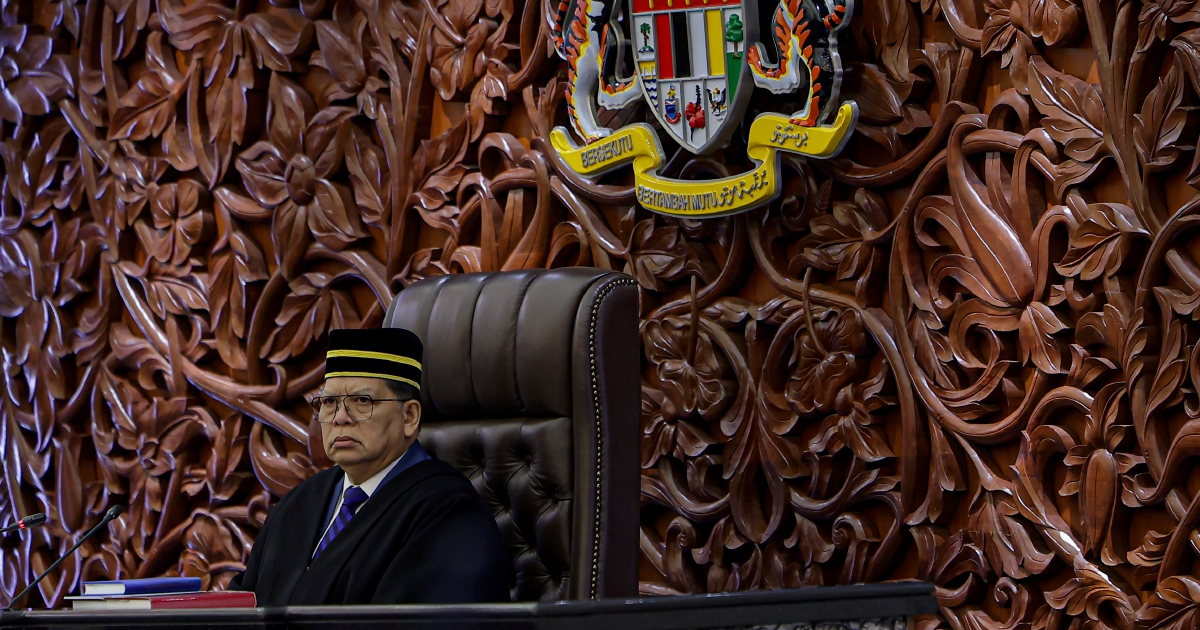
The government is preparing to lay bare the findings of its investigation into Tabung Haji, the embattled Islamic pilgrimage fund that has faced mounting scrutiny over governance failures and financial losses. Dr Zulkifli Hasan, the Minister in the Prime Minister's Department (Religious Affairs), will table the Royal Commission of Inquiry report during a special sitting of the Dewan Rakyat scheduled for the coming week. The move represents a watershed moment for an institution that has endured years of criticism from stakeholders, pilgrims, and civil society over how billions of ringgit in pilgrim savings have been managed.
Tabung Haji has long served as a critical financial vehicle for Malaysian Muslims, functioning both as a savings mechanism and investment platform for those planning to undertake the Hajj pilgrimage. Over several decades, the fund accumulated substantial assets as millions of Malaysians channelled savings through its dedicated schemes. However, the institution came under intense pressure following reports of significant financial losses, alleged mismanagement, and governance lapses. These revelations prompted calls from multiple quarters—including religious scholars, consumer advocates, and parliamentary opposition—for a comprehensive independent examination of how the fund's resources had been deployed and safeguarded.
The establishment of the Royal Commission of Inquiry reflected official acknowledgment that questions surrounding Tabung Haji required more than routine internal audits or regulatory oversight. An RCI carries considerable weight in Malaysia's investigative architecture, wielding authority to compel witness testimony, subpoena documents, and make binding recommendations. The inquiry's scope encompassed governance structures, investment decisions, risk management practices, and the circumstances surrounding specific financial setbacks that had depleted the fund's reserves. For the broader Muslim community, the RCI represented a potential pathway to understanding what had transpired and how accountability might be restored.
The timing of the parliamentary presentation carries strategic significance in Malaysia's broader governance narrative. The government's commitment to tabling these findings in the national legislature signals an orientation toward transparency and public accountability—principles that have featured prominently in recent reform agendas. By choosing to present the findings in Dewan Rakyat rather than through press releases or bureaucratic channels, authorities are inviting direct parliamentary scrutiny, questions from elected representatives, and public debate on the inquiry's conclusions and recommendations.
For Malaysian pilgrims and their families, the RCI report carries immediate practical implications. Understanding the extent of losses, identifying responsible parties, and learning what corrective measures the government intends to implement will shape confidence in the institution going forward. Many account holders have expressed anxiety about the security of their savings, particularly given economic uncertainties and previous reports of investment underperformance. The inquiry's findings may address whether compensation mechanisms are being considered or whether structural reforms will be implemented to prevent similar governance failures.
Regionally, Malaysia's handling of the Tabung Haji situation reflects how Southeast Asian Islamic finance institutions navigate accountability pressures. Islamic finance has expanded considerably across the region, with numerous fund-based schemes and investment vehicles managing significant sums for Muslim communities. The Tabung Haji case has attracted regional attention as a cautionary example of how governance lapses and inadequate oversight can undermine public trust in supposedly religiously-aligned financial institutions. How Malaysia addresses the RCI findings may influence how other countries strengthen oversight frameworks for similar institutions.
Parliamentary presentation of the findings will likely trigger extended discussion on what remedial action the government plans to undertake. Members may question whether existing management will remain in place, whether new regulatory safeguards require legislative amendment, or whether the government will establish additional oversight mechanisms. The opposition will presumably use the forum to press for accountability measures and to critique previous governance that permitted losses to accumulate. Such exchanges, while sometimes contentious, serve the democratic function of testing government responses and creating a public record of commitments made.
The inquiry process itself has taken considerable time, with Tabung Haji's travails becoming increasingly difficult to manage silently as news coverage and public concern mounted. The delay between the inquiry's establishment and this presentation may reflect the complexity of investigating large financial institutions with intricate investment portfolios and multilayered decision-making structures. Stakeholders have grown impatient for clarity, making the parliamentary sitting a focal point for resolution and reassurance.
Dr Zulkifli Hasan's role as the presenting minister underscores the religious dimensions of this governance failure. While Tabung Haji operates as a financial institution subject to regulatory oversight, it also carries profound spiritual significance for Malaysian Muslims who view contributions as religiously-motivated and trust-based. The religious affairs portfolio's involvement in presenting findings signals that the government recognises the need to address not merely financial mismanagement but also breaches of religious trust. This framing may help contextualize remedial measures as protecting a sacred obligation rather than merely correcting administrative error.
With parliament scheduled to receive the RCI report, Malaysian Muslims and the broader public will finally have access to official findings regarding what transpired within Tabung Haji and what the government intends to do about it. The parliamentary presentation will mark the transition from investigation to accountability, with implications for how the institution evolves and how Malaysians' confidence in faith-based financial governance can be restored.

