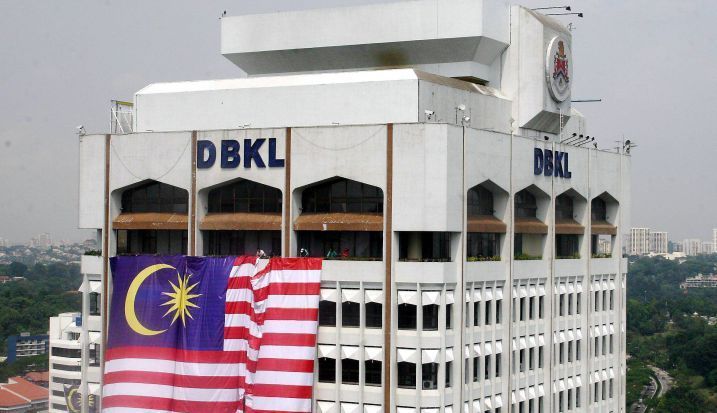
The Malaysian Cabinet has directed the Federal Territories Department to overhaul internal governance and accountability systems at Kuala Lumpur City Hall before proceeding with any amendments to the Federal Capital Act 1960. The decision, announced by Minister in the Prime Minister's Department (Federal Territories) Hannah Yeoh, effectively shelves legislative proposals and instead prioritises administrative improvements within the city authority. This marks a significant shift in the approach to resolving longstanding concerns about DBKL's operational effectiveness and transparency.
The Cabinet's instruction emerged following presentation of a comprehensive feasibility study examining proposed changes to Act 190, as the legislation is formally known. Conducted over four months from December 1 last year through March 31 by the International Islamic University Malaysia (IIUM), the research delved into multiple dimensions of DBKL's functioning. The study encompassed consultations with Kuala Lumpur MPs and senior management at the city authority, providing insights into current administrative challenges and potential remedies. Rather than endorsing structural reforms, the research team concluded that many difficulties stemmed from procedural shortcomings rather than legislative limitations.
The feasibility study examined critical aspects of DBKL's operations, including its administrative structure, decision-making mechanisms, service delivery performance, enforcement capacity, and accountability mechanisms. Researchers also assessed the necessity for broader institutional reforms. Two competing proposals had previously surfaced regarding how Kuala Lumpur's administration should evolve. The Policy Advisory Committee to the Prime Minister had suggested restructuring the mayor's office through establishment of a Supreme Council, fundamentally altering the current legal framework. Concurrently, several Kuala Lumpur MPs had proposed creating a City Council comprising the capital's seven MPs to provide guidance to the mayor.
However, the IIUM study concluded against introducing a councillor system into DBKL's administration, raising significant concerns about governance clarity and accountability. The researchers argued that layering another decision-making body atop existing structures could generate overlapping responsibilities and obscure lines of accountability. This analysis directly challenged the MPs' proposal, suggesting that adding political representation at the administrative level might compromise rather than improve city governance. The study's rejection of additional oversight bodies reflected broader international experience with municipal administration, where clarity of responsibility remains essential for effective service delivery.
The fundamental insight from the four-month investigation centred on distinguishing between structural and procedural challenges. The IIUM researchers determined that DBKL's current administrative difficulties were not predominantly rooted in deficiencies within Act 190 itself. Instead, problems originated from the absence of clearly articulated internal guidelines, standardised operating procedures, and proper protocols governing meetings and decision-making processes. This diagnostic finding suggested that legislative reform, while potentially symbolically satisfying, would not address the practical management issues constraining the authority's performance.
Instead of creating new administrative bodies, the study recommended strengthening DBKL's existing Advisory Board through the introduction of a formal governance framework. This framework would establish transparent criteria and quotas for appointing professional experts and representatives from non-governmental organisations to the board. The proposal also encompassed clarification of meeting procedures, standardised processes for presenting and evaluating proposals, reporting requirements, and delineation of working relationships among the board, the mayor, the Federal Territories minister, and DBKL management. Such measures would enhance transparency and professionalisation without requiring legislative amendment.
The study recognised legitimate concerns from Kuala Lumpur MPs about their capacity to represent constituents effectively and monitor city administration. Consequently, it recommended strengthening parliamentary oversight mechanisms without extending direct administrative authority. The proposed approach included regular consultation meetings between MPs and DBKL, establishment of monitoring committees, formal budget review sessions, and institutionalised channels for residents to raise concerns and development matters with both the authority and the minister. Such arrangements would preserve the distinction between political representation and administrative execution—a critical principle for maintaining accountability.
The legal foundation for this distinction originates in Act 190's Section 5(1), which designates Kuala Lumpur as administered by the mayor serving as a "corporation sole." This unique arrangement vests legal authority directly in the mayoral office rather than distributing it across an elected or appointed council. The IIUM study cautioned that introducing councillors with executive or voting powers could fundamentally transform Kuala Lumpur into a conventional local authority operating under the Local Government Act 1976. Such transformation could contradict the original constitutional purpose of Act 190 and the 1974 agreement transferring administrative responsibility for the capital to the Federal Government.
Recognising Kuala Lumpur's dual status as both the nation's capital and a Federal Territory, the study emphasised that amendments to Act 190 required exceedingly careful deliberation. Constitutional and historical considerations surrounding the capital's administration necessitate thorough examination before legislative changes. The research team consequently recommended that improvements be introduced initially through administrative measures—internal directives, procedural guidelines, and enhanced coordination mechanisms—rather than pursuing potentially destabilising structural changes.
Minister Yeoh indicated that the Federal Territories Department and DBKL would jointly develop a comprehensive transformation plan addressing decision-making improvements, institutional checks and balances, and enhanced city management. The Cabinet intends to receive periodic progress updates regarding these reform efforts. This phased approach reflects pragmatic recognition that effective governance stems primarily from clear procedures and professional implementation rather than structural reconfiguration. For Malaysian governance observers and Kuala Lumpur residents, the decision signals official commitment to addressing legitimate accountability concerns through focused administrative reform rather than symbolic legislative amendments that might introduce new complications.
The episode underscores broader governance principles applicable across Malaysian public administration. Well-drafted procedures, transparent decision-making processes, and clearly defined responsibilities often matter more than organisational restructuring in improving public sector performance. By mandating internal reforms before considering legislative change, the Cabinet has adopted an evidence-based approach grounded in the IIUM feasibility study's comprehensive findings. This prioritisation of administrative strengthening over structural transformation may offer valuable lessons for other Malaysian institutions confronting similar tensions between political demands for organisational change and technical assessments of genuine operational requirements.

