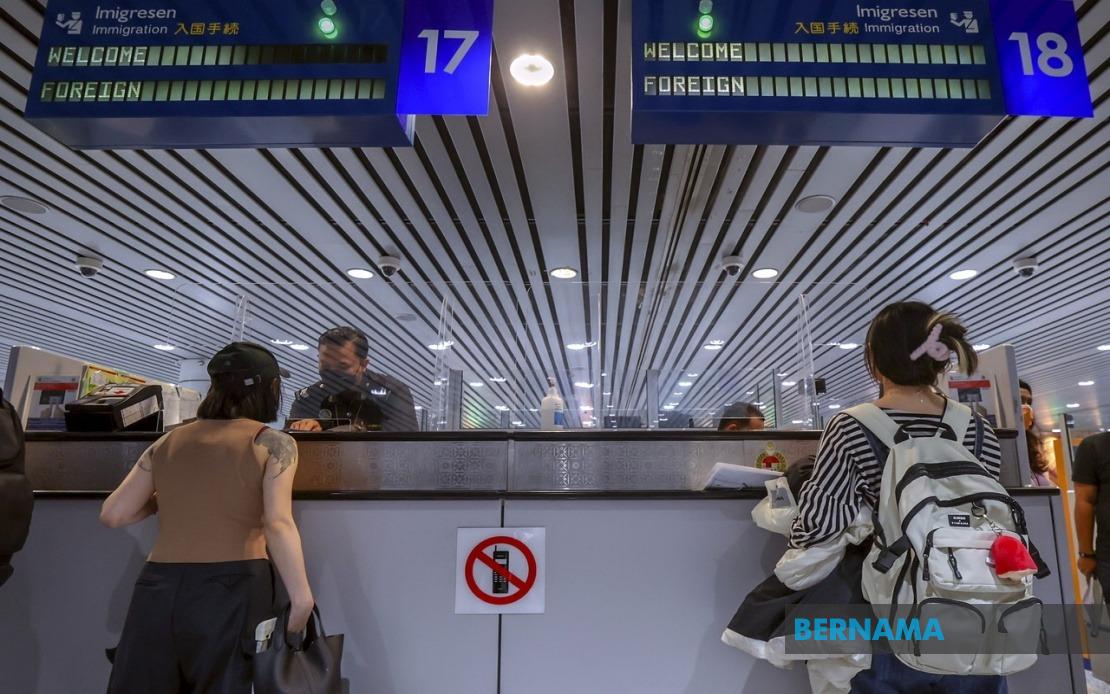
The Cabinet has moved to substantially upgrade security infrastructure across Malaysia's international gateways, endorsing a joint initiative from the Home Ministry and Ministry of Transport that comprises 17 specific recommendations for tightening controls at Kuala Lumpur International Airport and other border checkpoints nationwide. The decision follows mounting public concern about vulnerabilities in the country's security screening procedures, which have been exposed by several recent incidents involving airport personnel and cross-border contraband trafficking.
The comprehensive framework presented to Cabinet yesterday establishes a phased implementation strategy spanning immediate, medium and long-term horizons. Officials from both ministries outlined that immediate priorities would concentrate on reinforcing existing safeguards through enhanced inspection protocols, whilst medium-term efforts will pivot towards technological modernisation and capacity building. The longer-term component envisions systematic transformation across the sector, improved inter-agency intelligence sharing, and standardised governance frameworks that would eventually extend protections to all international entry ports based on individual risk assessments and operational conditions at each location.
Among the six fast-track actions receiving Cabinet approval, risk-based targeted screening represents the cornerstone initiative. This approach strengthens the existing inspection regime by directing enhanced scrutiny toward flights, passengers, crew members and baggage identified through intelligence analysis as carrying elevated risk profiles. The methodology represents a shift from blanket screening toward more intelligent allocation of security resources, allowing personnel to concentrate maximum attention on higher-threat movements whilst maintaining baseline protocols for lower-risk traffic flows.
The second priority action addresses personnel vetting through an enhanced e-Vetting and access control system. This initiative requires substantially tightening security clearance procedures for flight crews, airline employees, ground operations staff, airport operator personnel, external vendors, contractors and any other individuals requiring entry to restricted security zones. The expanded scope recognises that insider threats and compromised personnel have featured prominently in recent security breaches, necessitating more rigorous background examination and ongoing surveillance of those with secure area access.
Drug screening for aviation staff constitutes the third immediate measure, mandating more systematic implementation of pre-employment drug testing alongside periodic and random screening of pilots, cabin crew and associated personnel. This intervention responds directly to recent high-profile cases in which aviation employees have been implicated in narcotics trafficking operations, suggesting systemic lapses in personnel monitoring. The measure targets personnel categories historically considered low-risk but who occupy positions providing unusual opportunities for smuggling contraband through security checkpoints.
Three additional rapid-deployment actions round out the six-point immediate agenda: expanding visible security personnel presence at critical airport zones, establishing formal protocols for coordinated security intelligence sharing between agencies, and creating a dedicated technical committee jointly chaired by Home Ministry and Transport Ministry officials to oversee implementation. Together, these measures represent foundational steps toward rebuilding the integrity of screening processes that have sustained damage from recent security failures.
The urgency underlying this comprehensive response becomes apparent when examining recent incidents that precipitated Cabinet intervention. Most notably, a Malaysian pilot faced arrest in Indonesia following the interception of approximately 25 kilogrammes of MDMA at Soekarno-Hatta International Airport, representing a particularly troubling breach given the suspect's position within aviation. This incident, alongside an earlier case involving Malaysian drug smuggling via Indonesian territory, crystallised systemic concerns about control mechanism vulnerabilities affecting not merely KLIA but the broader regional aviation ecosystem.
KLIA will serve as the primary pilot site for implementing the 17-recommendation framework, with success and lessons learned subsequently rolled out to other international border facilities including seaports and land crossings. The sequenced approach allows officials to refine procedures and build institutional capacity at Malaysia's busiest aviation hub before nationwide expansion. This strategy acknowledges that implementation complexity and resource requirements vary substantially across different entry point categories, necessitating customised applications of the core framework depending on local threat levels and operational characteristics.
Government representatives have emphasised that the security enhancement initiative will proceed within strict parameters protecting individual rights and data security whilst maintaining proportionate protections for aviation system integrity. The MADANI administration framed the initiative as essential to defending national security, safeguarding Malaysia's standing within the international aviation community, and preserving traveller confidence in airport safety. These objectives reflect the government's recognition that security lapses carry reputational consequences extending beyond immediate law enforcement impacts, potentially influencing foreign passenger traffic and international carrier routing decisions.
The Cabinet approval signals that official concern regarding border security extends beyond isolated criminal cases toward systematic institutional deficiencies. The scope of the 17 recommendations, encompassing technology acquisition, workforce development, inter-agency coordination mechanisms and governance restructuring, indicates recognition that sustainable improvement requires investments across multiple security ecosystem dimensions rather than merely operational tightening. This more comprehensive assessment suggests evolving appreciation within Malaysian policy circles that effective border security demands integrated approaches combining enhanced personnel, improved information systems, institutional reorganisation and sustained resource commitment.
Implementation timelines remain relatively unspecified, though the designation of six measures as immediate priorities indicates that foundational steps should commence within coming weeks. The establishment of a dedicated KDN-MOT Technical Committee provides an institutional mechanism for coordinating across ministries and tracking progress against implementation milestones. However, success will ultimately depend upon consistent resource allocation, sustained political attention, and systematic capacity development among screening personnel responsible for executing enhanced protocols across Malaysia's extensive network of international entry facilities.
The Cabinet decision reflects broader Southeast Asian vulnerabilities in border security infrastructure and personnel training that extend considerably beyond Malaysia's specific circumstances. The region's prominence in regional and global aviation networks, combined with porous land borders and substantial illicit narcotics trafficking operations, creates persistent pressure points for security system failures. Malaysia's demonstrated willingness to undertake comprehensive institutional reform may establish benchmarks influencing how other regional states approach similar vulnerabilities in their respective border protection frameworks.

