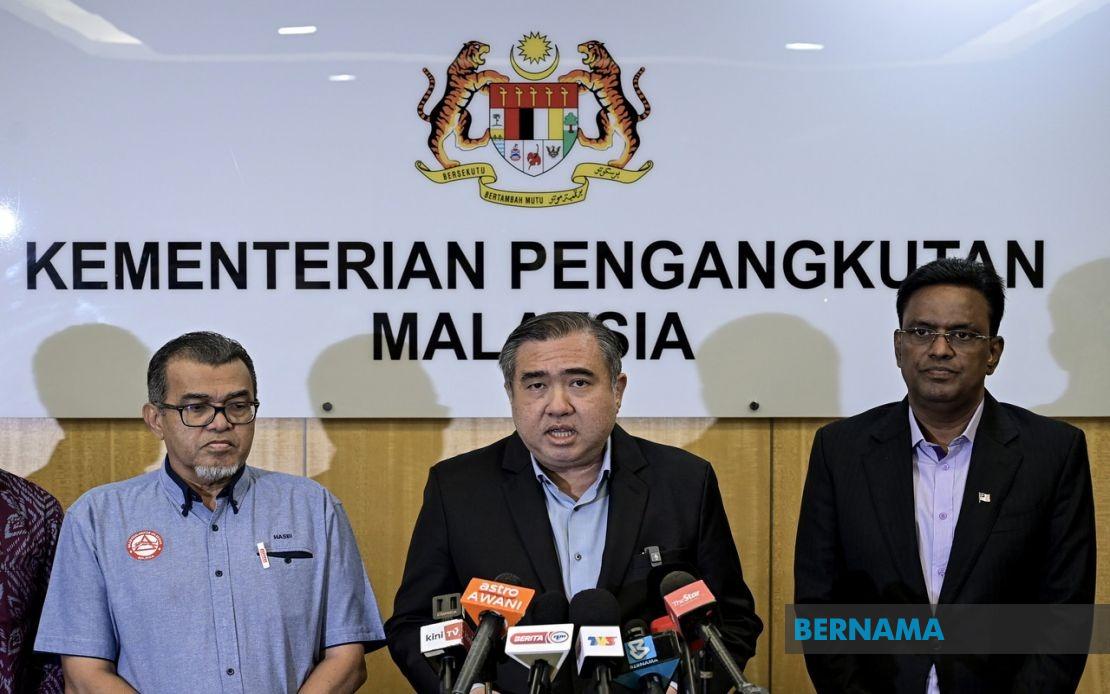
The Malaysian Cabinet has taken a significant step towards strengthening victim protection in traffic law by endorsing in-principle amendments to the Road Transport Act 1987 (Act 333). The move, announced by Transport Minister Anthony Loke on 17 July, introduces a judicial mechanism requiring courts to mandate compensation payments to accident victims or their families as an additional penalty alongside traditional punitive measures. This development signals a broader policy shift towards holding road offenders financially accountable for the harm their actions cause, not merely through incarceration or fines.
Under the proposed framework, courts will exercise discretion in determining compensation amounts, evaluating each case individually based on its specific circumstances. Rather than applying a standardised formula or administrative schedule, judicial officers will assess the severity of the offence, the nature and extent of injuries sustained, the financial losses incurred by victims and their dependents, and the offender's capacity to pay. This personalised approach recognises the diverse consequences of traffic incidents and seeks to provide more equitable redress across varying scenarios.
The amendment targets multiple categories of serious road offences, with particular emphasis on impaired and reckless driving. Cases involving driving under the influence of alcohol or drugs—persistent contributors to fatal accidents across Malaysia and the region—will fall within the compensation framework. Similarly, reckless driving behaviours that endanger public safety would trigger the obligation to compensate injured parties. By extending the scope beyond a narrow subset of violations, the legislation aims to create comprehensive victim protection across high-risk driving categories.
Minister Loke stressed that compensation orders represent an additional layer of accountability rather than a replacement for existing penalties. Prison sentences, licence disqualifications, and monetary fines imposed under current law will remain intact and enforceable. This cumulative approach reflects recognition that traditional penalties alone have not adequately addressed the financial devastation experienced by families of serious accident victims. The new mechanism supplements rather than displaces these established consequences, potentially creating stronger deterrence through multiple simultaneous penalties.
A critical feature of the proposal is its preservation of victims' parallel rights to pursue insurance claims and civil litigation. The compensation mechanism does not extinguish existing remedies available through the civil courts or insurance contracts. This safeguard ensures that accident victims are not limited to a single recovery pathway and can pursue multiple avenues simultaneously if circumstances permit. Malaysian readers familiar with personal injury litigation will recognise this approach as complementary rather than limiting to established legal channels.
The implementation timeline reflects a measured legislative approach. Following Cabinet approval in principle, the Ministry of Transport will begin detailed drafting while simultaneously conducting extensive stakeholder consultation. These engagement sessions will involve relevant government agencies, insurance industry representatives, and other stakeholders to refine operational aspects before the bill returns to Cabinet and subsequently parliament. Key matters requiring resolution include defining the scope of eligible cases, establishing clear criteria for serious injury classification, and determining procedures for offenders unable to satisfy compensation orders.
Minister Loke indicated the government targets tabling the bill during parliament's year-end session, contingent on completing the drafting and consultation phases. However, the minister has also proposed establishing a special parliamentary committee to examine the bill in depth, a step designed to build cross-party consensus and ensure robust scrutiny from both government and opposition benches. This consultative governance model suggests awareness that significant criminal law amendments benefit from broad political support to ensure legitimacy and long-term stability.
A notable aspect of the proposed amendments is their incorporation of enhancements to the Road Offence Demerit Points System (KEJARA). These strengthened safety measures work in tandem with the compensation framework to create a more comprehensive approach to reducing traffic violations and their consequences. KEJARA's enhanced mechanisms presumably address the escalation of penalties for repeat offenders and potentially tighten the points thresholds triggering licence suspension, reinforcing road safety culture through multiple policy levers.
The retrospectivity limitation embedded in the proposal merits attention for practitioners and affected parties. The amendments will apply exclusively to offences committed after parliamentary passage, reflecting the established legal principle prohibiting retroactive criminal legislation. This protection prevents the government from pursuing compensation claims for historical accidents based on newly enacted standards. Consequently, only incidents occurring post-enactment would fall under the new compensation regime, preserving legal certainty for past conduct.
For Malaysian society, these amendments address a longstanding asymmetry in traffic justice whereby offenders faced criminal penalties while victims shouldered substantial uncompensated losses. Road accidents impose enormous financial burdens on families—medical expenses, rehabilitation costs, lost income from injured breadwinners, and funeral expenses in fatal cases. While insurance provides partial coverage, uninsured drivers remain prevalent, leaving many victims with no meaningful recovery source. The judicially-supervised compensation mechanism offers a pathway to partial redress beyond insurance proceeds.
Regionally, Malaysia's approach mirrors growing interest across Southeast Asia in victim-centred criminal justice reforms. Neighbouring jurisdictions grapple with similar challenges of balancing offender rehabilitation, public safety deterrence, and victim restitution. The Malaysian model, emphasising judicial discretion and contextual assessment, offers a template potentially adaptable to other road safety frameworks in the region whilst respecting local legal traditions and judicial capacity.
The consultation phase ahead will likely surface practical implementation challenges requiring careful refinement. Insurance industry input will prove crucial, particularly regarding coordination between court-ordered compensation and policy coverage to prevent double recovery or coverage gaps. Enforcement mechanisms for offenders unable or unwilling to pay compensation require explicit attention, particularly regarding consequences for non-compliance and potential garnishment procedures. These operational details will significantly influence the amendment's real-world effectiveness.

