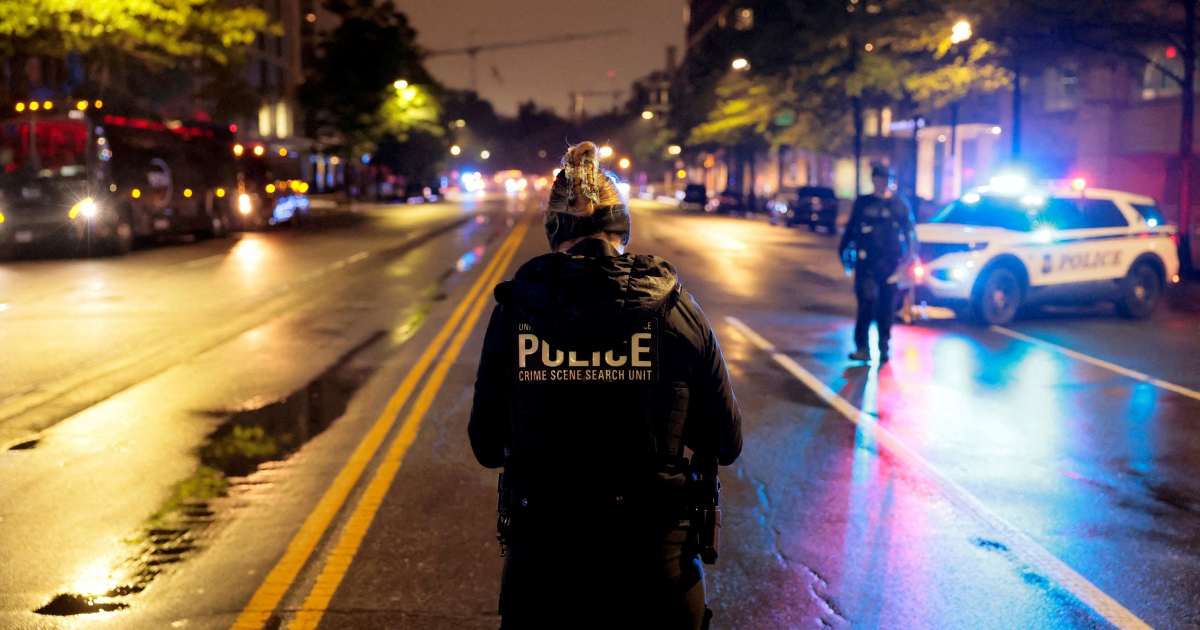
A person caught in the crossfire during a May gunfight between US Secret Service agents and a suspect outside the White House plans to pursue legal action against the federal protective agency. Legal representatives announced Tuesday that they would file a personal injury claim seeking damages for injuries sustained in the incident, which unfolded near one of the world's most heavily secured perimeters.
The May shootout occurred when Secret Service officers engaged an armed individual at the perimeter of the White House complex. During the exchange of fire, a bystander who was in the vicinity became caught between the agents and the suspect, resulting in injuries. The incident drew significant media attention and prompted immediate reviews of security protocols and response procedures at the presidential residence.
For Malaysian readers, the case illustrates broader complexities surrounding the liability of government security agencies when civilians are injured during active security operations. The balance between effective threat response and civilian protection remains contested globally, and courts in different jurisdictions have grappled with determining responsibility when bystanders suffer harm during lawful security interventions.
The decision to file suit represents an important legal challenge to the Secret Service's operational response and raises questions about whether the agency's conduct during the incident met acceptable standards for civilian safety. Personal injury claims against federal agencies in the United States typically require navigating the Federal Tort Claims Act, which defines when and how Americans can seek compensation from the government for negligence.
This case comes at a time when law enforcement agencies across the United States face increasing scrutiny over use-of-force incidents and their collateral effects on innocent parties. The plaintiff's legal team will likely argue that either the agency failed to take adequate precautions to protect nearby civilians or that the force deployed was disproportionate to the threat posed. The Secret Service, responsible for protecting the President and securing the presidential residence, maintains extensive training protocols and engagement rules designed to minimize civilian casualties during armed confrontations.
The incident raises operational questions relevant to security forces worldwide, including those in Southeast Asia managing high-profile protection details. When armed confrontations occur near civilian areas or in public spaces, the challenge of distinguishing combatants from bystanders and calculating proportionate responses becomes acute. Intelligence gathering, de-escalation tactics, and positioning of protective cordons all factor into minimizing unintended harm during security operations.
From a legal precedent perspective, outcomes of such lawsuits can reshape how government agencies approach similar situations. If courts determine that the Secret Service bears responsibility for the bystander's injuries, it could lead to revised protocols for threat engagement, improved coordination with civilian authorities, or enhanced public awareness systems when security operations are underway. Conversely, if courts find the agency acted reasonably given the threat circumstances, it may reinforce existing operational standards.
The financial implications extend beyond potential compensation to the injured party. If the Secret Service is found liable, settlement costs could influence federal security budgets and resource allocation across other protective operations. Comparable cases involving law enforcement agencies have resulted in settlements ranging from hundreds of thousands to millions of dollars, depending on the severity of injuries and subsequent medical or rehabilitative costs.
For the broader security community, including Malaysian law enforcement and the nation's security apparatus, such cases underscore the importance of clear rules of engagement and civilian protection protocols. Democratic societies increasingly expect their security agencies to balance effective threat neutralization with genuine efforts to minimize collateral damage. This tension shapes policy discussions globally and influences training standards for protective and tactical operations.
The upcoming lawsuit will likely be closely watched by security professionals, legal experts, and government agencies managing similar protective responsibilities. The court's examination of whether the Secret Service acted with appropriate caution toward civilians, whether agents had adequate situational awareness, and whether protocols were properly followed could establish important precedents. Beyond the immediate case, it contributes to an evolving body of law addressing government liability when security operations affect innocent people.
The incident also highlights the unique security challenges facing locations like the White House, where protecting a high-value target requires maintaining readiness against potential threats while managing a complex urban environment with civilian populations nearby. The tension between absolute security and maintaining functional access to public areas remains perpetually challenging for protective agencies worldwide, from parliamentary buildings to ministerial compounds across Asia and beyond.

