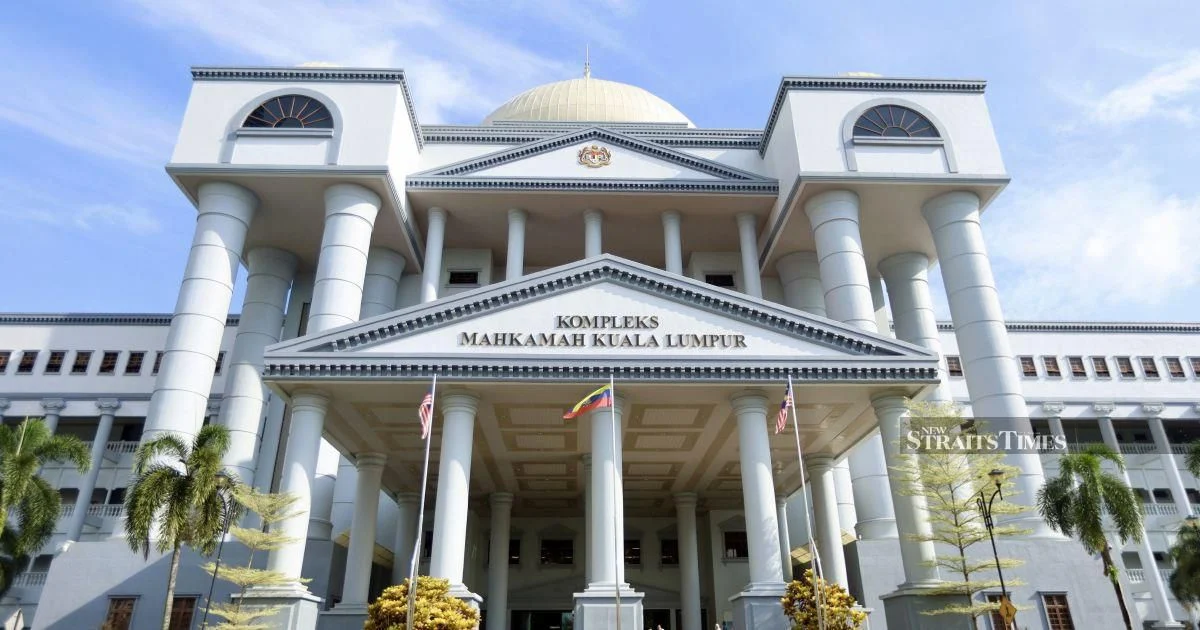
Businesswoman Sofia Rini Buyong is set to make an appearance at Kuala Lumpur's magistrate's court tomorrow to respond to criminal defamation charges. The proceedings mark an escalation in a dispute that has apparently resulted in formal legal action through Malaysia's court system, bringing her business dealings and personal conduct under judicial scrutiny.
Criminal defamation charges in Malaysia carry considerable weight, reflecting the nation's approach to protecting reputation through the penal code. Unlike civil defamation claims that focus on monetary compensation, criminal proceedings involve potential penalties including imprisonment, fines, or both, making the distinction significant for anyone facing such allegations. The fact that authorities have moved toward prosecution suggests the complainant believes sufficient grounds exist to proceed beyond civil remedies.
The case touches on a broader tension within Malaysian society between protecting individual reputation and maintaining space for legitimate speech and business criticism. Courts across Southeast Asia have grappled with similar tensions, attempting to balance rights while recognizing that false or malicious statements can genuinely harm individuals and their enterprises. For business professionals in Malaysia, such cases serve as reminders of the legal boundaries surrounding public statements and communications, particularly when addressing competitors or business rivals.
The precise nature of Sofia Rini Buyong's alleged statement remains unclear from available information, though the categorization as defamatory indicates the statement was allegedly false and damaging. Businesspeople operating in Malaysia's competitive commercial landscape frequently encounter situations requiring careful communication, whether in negotiations, public statements, or social media interactions. This case may gain attention from corporate executives and entrepreneurs who recognize how readily disputes can escalate from commercial disagreements into formal legal proceedings.
Malaysia's magistrate courts handle initial criminal proceedings before cases potentially advance to higher courts if necessary. Tomorrow's appearance will likely involve formalities including charge confirmation and the setting of trial dates, rather than substantive arguments on the merits. The court proceedings themselves may shed light on what specific allegations triggered the defamation charge, information currently not publicly detailed.
The timing and progression of defamation cases often reveal underlying commercial or personal conflicts that extend beyond the specific statement in question. In Malaysia's business community, reputation carries substantial weight for professional standing and future opportunities, creating significant incentive for individuals to pursue legal action when they believe their standing has been damaged. For Sofia Rini Buyong, the court process ahead will consume considerable time and resources, regardless of the eventual outcome.
Defamation law in Malaysia derives from both the Penal Code and common law principles inherited from British legal traditions. The criminal variant typically requires proof that statements were made with knowledge of their falsity or with reckless disregard for truth, alongside evidence that they caused genuine harm to the subject's reputation. Courts examine context, including whether statements were made publicly or privately, and whether they contained opinion or assertions of fact.
The case arrives as digital communication platforms have transformed how statements spread and persist. Unlike previous eras when damaging remarks might fade from public memory relatively quickly, online publications and social media create permanent records. This digital reality has prompted both individuals and businesses to pursue legal remedies more frequently, knowing that false information can circulate widely and indefinitely without intervention.
For the broader Malaysian business community, high-profile defamation cases generate awareness about potential legal exposure. Executives and entrepreneurs increasingly consult legal advisors before making public statements about competitors or industry matters, recognizing that costly litigation may follow careless speech. Professional bodies and chambers of commerce sometimes issue guidance on communication best practices as a result of prominent cases reaching public attention.
The magistrate's court proceedings will unfold within Malaysia's established judicial framework, with standards of evidence and procedure designed to ensure fair treatment for the accused. Sofia Rini Buyong's legal team will have opportunity to contest the charges, present evidence, and argue that statements either were not defamatory or fell within protected categories like fair comment on matters of public interest. The court's role involves weighing competing claims carefully before determining whether sufficient case exists for trial.
Regional business observers will likely monitor how Malaysia's courts approach this case, particularly regarding evidentiary standards and how they balance defamation protections against business communication realities. Southeast Asian nations maintain varying approaches to criminal defamation, with some jurisdictions moving toward decriminalization while others maintain robust statutory protections. Malaysia's continued reliance on criminal defamation offences distinguishes its approach from some neighboring nations that have scaled back such prosecutions.

