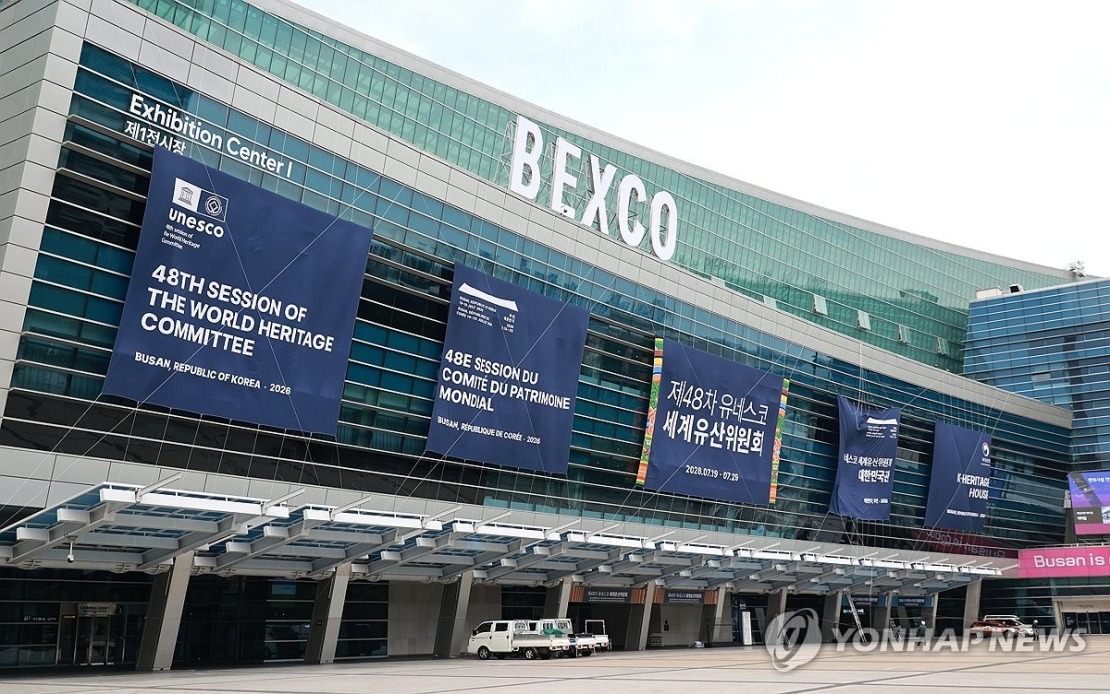
The UNESCO World Heritage Committee will commence its annual gathering in Busan on Sunday, marking a significant moment for South Korea as the country hosts the prestigious meeting for the first time since ratifying the UNESCO World Heritage Convention in 1988. The 10-day session at the Busan Exhibition and Convention Centre will draw approximately 3,000 participants representing 196 UNESCO member states, alongside representatives from international organisations and civil society groups. Positioned 330 kilometres south-east of Seoul in South Korea's major port city, the venue reflects the strategic importance UNESCO places on this biennial convocation.
The attendance of senior UNESCO leadership underscores the prominence of the gathering. Director-General Khaled El-Enany will lead the proceedings, supported by Assistant Director-General for Culture Nayef Al-Fayez and Lazare Eloundou Assomo, who heads the World Heritage Centre. Their presence signals the global organisation's commitment to ensuring robust deliberations on matters affecting humanity's most treasured cultural and natural sites.
At its core, the World Heritage Committee functions as UNESCO's principal policy-making and oversight body for matters concerning inscribed sites and heritage protection globally. During annual sessions, the committee evaluates candidacies seeking World Heritage status, a designation that brings international recognition, protective frameworks, and often enhanced tourism and conservation funding. The competitive process for inscription reflects intensifying global interest in heritage preservation, with nations worldwide recognising the cultural, educational, and economic significance of protected sites.
Beyond reviewing new nominations, the committee assesses the conservation trajectory of already-designated World Heritage sites, examining how effectively host nations are maintaining these properties and addressing emerging threats. This monitoring function has grown increasingly critical as climate change, urbanisation, and inadequate funding pressure heritage managers across developing and developed nations alike. The committee's evaluations can trigger enhanced support mechanisms or, in severe cases, placement on the List of World Heritage in Danger.
For Southeast Asian nations including Malaysia, such UNESCO proceedings carry particular resonance. The region encompasses diverse heritage sites spanning ancient temples, colonial architecture, natural forests, and marine ecosystems, many facing mounting conservation pressures. Malaysia's World Heritage properties—including Kinabalu Park, Gunung Mulu National Park, Malacca and Georgetown, and the Lahad Datu Sulu Archipelago—depend on international scrutiny and cooperation frameworks that these committee meetings facilitate. Participation in such gatherings allows Malaysian delegates to influence global heritage standards while accessing technical expertise and funding mechanisms.
The Busan session also addresses broader policy issues embedded within the World Heritage Convention framework. These discussions shape how UNESCO responds to contemporary challenges including heritage preservation amid conflict, the incorporation of indigenous perspectives into conservation planning, and equitable benefit-sharing from heritage tourism. For middle-income nations like Malaysia navigating rapid economic development while protecting heritage resources, the policy outcomes from Busan may establish precedents affecting domestic conservation strategies.
South Korea's hosting of the committee carries symbolic weight beyond mere logistics. The country has substantially invested in heritage preservation and cultural diplomacy over recent decades, using UNESCO designations to enhance its international soft power and regional cultural standing. By welcoming the committee, Seoul demonstrates its commitment to the global heritage movement while positioning itself as a responsible custodian of both its own sites and the international framework protecting humanity's common heritage.
The timing of this gathering reflects UNESCO's strategic rotation of committee sessions among member states, a practice designed to build capacity and engagement across regions. Previous sessions have strengthened heritage awareness and conservation frameworks in host countries, often spurring domestic investment in site management and related infrastructure. South Korea's experience hosting will likely generate momentum for heritage initiatives across the Korean peninsula and potentially influence approaches adopted by neighbouring economies.
For observers across Southeast Asia and beyond, the Busan deliberations will determine which new sites achieve World Heritage status, shaping the geographic and thematic composition of the official list. Decisions made during these ten days will influence investment patterns, tourism flows, and conservation priorities for years ahead. The committee's recommendations also establish normative standards that subtly pressure nations to adopt comparable preservation practices, creating a global convergence toward common heritage protection methodologies.
The gathering underscores the enduring appeal of heritage protection as a unifying international concern. Despite geopolitical tensions and competing national interests, UNESCO's World Heritage framework remains one of humanity's most successful collaborative endeavours, transcending borders to recognise and safeguard sites of outstanding universal value. The Busan session will reinvigorate this commitment while grappling with increasingly complex questions about heritage's role in sustainable development, climate adaptation, and social inclusion—issues of mounting importance to Malaysian policymakers and the broader Southeast Asian region.

