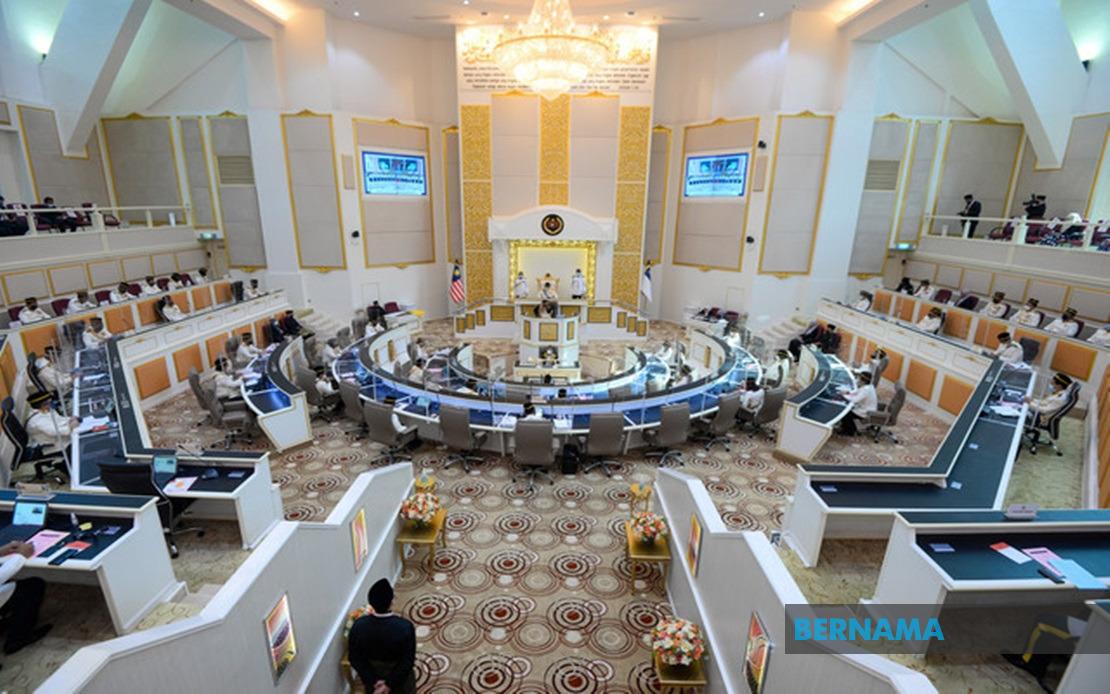
The Melaka state government is positioned to confirm financial backing for a new Type 3 health clinic in Bukit Rambai, with the decision formally expected when Parliament receives the 2027 Budget proposal in October. Datuk Ngwe Hee Sem, who chairs the state's Health, Human Resources and Unity Committee, made this announcement during proceedings at the state assembly in Melaka on July 14.
The initiative has already progressed beyond preliminary stages. State authorities submitted the proposal to the Ministry of Economy as part of Rolling Plan 2 under the 13th Malaysia Plan framework. This administrative positioning signals genuine government commitment to the project rather than exploratory discussion. The fact that preparatory work on the proposed site—positioned directly opposite the existing Bukit Rambai Health Clinic—has already been completed further underscores the administration's readiness to proceed once budgetary approval materialises.
Construction timelines indicate a three-year implementation period from commencement, suggesting the facility could begin serving the community as early as 2030 should Parliament approve funding in October. This timeframe aligns with Malaysia's broader healthcare infrastructure expansion objectives outlined in national development plans. For Bukit Rambai residents, the timeline represents a concrete commitment to healthcare improvement within the coming years rather than indefinite waiting.
The expanded service offerings mark a substantial upgrade from current capacity. Beyond routine outpatient consultations, the new clinic will introduce radiology capabilities—specifically X-ray facilities—addressing a significant gap in existing local healthcare access. The dental component represents particularly valuable infrastructure, featuring five dedicated chairs to accommodate multiple simultaneous treatments and reduce appointment delays that typically plague dental services in underserved areas.
Nutritional and dietetics services will form another cornerstone of the expanded facility. These preventive care offerings align with Malaysia's shift toward addressing lifestyle-related diseases including diabetes and obesity. By integrating nutritional counselling at the primary care level, the clinic can support earlier intervention before conditions progress to requiring intensive hospital care, ultimately easing pressure on tertiary healthcare institutions.
Therapeutic and psychological services round out the comprehensive approach. Physiotherapy and occupational therapy cater to rehabilitation needs following injury or illness, while speech therapy addresses communication disorders particularly in children. Counselling psychology and medical social work services acknowledge the growing recognition that physical health intersects fundamentally with mental wellbeing and social circumstances. This integration reflects contemporary understanding of holistic healthcare delivery.
The facility's design targets specific population health challenges confronting Bukit Rambai and surrounding neighbourhoods. Enhanced maternal and child health services recognise the demographic need for accessible prenatal, postnatal, and paediatric care. Strengthened laboratory capabilities enable on-site diagnostic testing rather than referrals to distant hospitals, accelerating diagnosis and treatment initiation. Pharmacy expansion reduces medication access barriers while school health services extend preventive care directly into educational institutions.
From an operational standpoint, the new clinic promises meaningful improvements in service delivery efficiency. Current congestion at the existing facility has produced extended waiting times that discourage some residents from seeking timely care. Distributing patient load across a expanded campus addresses this bottleneck. The purpose-built infrastructure designed specifically around contemporary patient flow and clinical workflows creates more comfortable treatment environments—a factor that psychological research demonstrates influences health-seeking behaviour and treatment adherence.
For Melaka's broader healthcare ecosystem, the Bukit Rambai clinic represents strategic decentralisation of secondary services typically concentrated in hospital settings. By enabling primary care facilities to deliver a wider spectrum of services, the system reduces inappropriate emergency department utilisation and eases strain on overstretched specialist departments. This aligns with regional healthcare trends across Southeast Asia where governments increasingly recognise primary healthcare strengthening as cost-effective strategy for improving population outcomes.
The October 2027 Budget announcement carries significance beyond Bukit Rambai itself. As a concrete health infrastructure commitment in a state assembly discussion, it demonstrates government responsiveness to constituent healthcare needs and willingness to allocate development resources toward primary care. For Malaysian readers across other regions, the project model showcases integrated clinic design combining preventive, curative, and rehabilitation services—a template potentially replicable in other underserved communities facing similar healthcare access limitations.
Politically, the commitment reflects Melaka's prioritisation of health infrastructure within development strategies. The involvement of Datuk Ngwe addressing a question from Lim Ban Hong during assembly proceedings indicates cross-party healthcare interest, suggesting the initiative enjoys reasonable political consensus. This bipartisan support increases implementation likelihood regardless of future electoral outcomes.
The transition from site preparation to budgetary approval represents a critical inflection point. Many Malaysian infrastructure projects languish indefinitely in planning stages despite completed preliminary work. The explicit October 2027 timeline provides accountability mechanism and concrete deadline. For Bukit Rambai residents and surrounding communities, this announcement transforms abstract healthcare expansion discourse into scheduled reality with defined implementation pathway and expected service commencement window.

