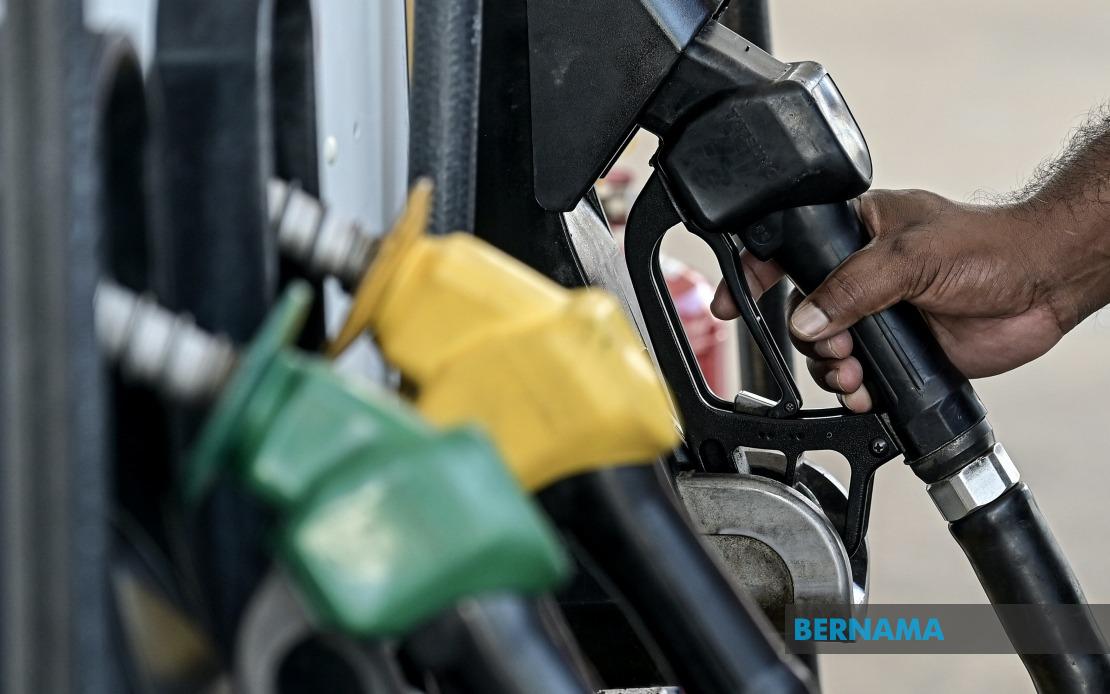
Malaysia's government has rolled out a substantially expanded diesel subsidy programme designed to ease cost-of-living pressures for hundreds of thousands of vehicle owners nationwide. The BUDI MADANI Diesel initiative, which commenced on July 1, represents a significant scaling-up from its predecessor scheme, now extending support to approximately 700,000 private vehicle owners across all regions of the country. Under the new arrangement, eligible diesel vehicle owners in Peninsular Malaysia can purchase fuel at RM2.10 per litre, while those in Sabah, Sarawak, and the Federal Territory of Labuan benefit from the same subsidised rate, a move that substantially broadens access compared to the earlier individual assistance programme.
The previous BUDI Diesel Individu scheme provided direct monthly cash allowances to only 180,000 recipients in Peninsular Malaysia, representing a narrow support base for citizens bearing the full brunt of market-rate fuel costs. The transition to the current model fundamentally shifts the approach by delivering the subsidy at the point of purchase rather than through post-hoc cash transfers, thereby providing immediate relief at the pump. The Ministry of Finance estimates that the expanded programme covers 400,000 private diesel vehicle owners on the peninsula and 300,000 across the East Malaysian states and federal territory, suggesting a near fourfold expansion of direct beneficiary numbers within just months.
Beyond private vehicle owners, the government has extended subsidised diesel access to the commercial transport sector, recognising the critical role fuel costs play in determining logistics expenses and ultimately consumer prices. Approximately 70,000 commercial and goods transport vehicles operating in Sabah, Sarawak, and Labuan qualify for fuel at RM2.15 per litre through the Subsidised Diesel Control System. Notably, the initiative also embraces company-registered private pickup trucks and jeeps, acknowledging that small business operators and sole proprietors frequently use such vehicles for income-generating activities. This inclusion reflects policymakers' understanding that rural and semi-urban economies depend significantly on light commercial vehicles for agricultural transport, small-scale trading, and service delivery.
The programme's operational framework incorporates several mechanisms designed to ensure orderly distribution and prevent abuse. Eligible pickup and jeep owners can apply for an additional 100 litres of monthly diesel through the BUDI MADANI portal, subject to verification and compliance with stipulated conditions. Early data from the peninsula launch, which began on June 27, indicates smooth execution with approximately 80,000 transactions recorded within the first three days, representing roughly 3.2 million litres of subsidised fuel worth nearly RM7 million. The integration of MyKad verification systems at petrol stations appears to have functioned effectively, with fuel retailers and consumers reporting no significant technical disruptions during the initial rollout period.
Administrative support measures accompany the core subsidy offering, recognising that vehicle ownership documentation can create barriers to benefit access. The government has introduced a three-month waiver on ownership transfer fees of up to RM100 for diesel vehicles, a concession that particularly benefits individuals whose vehicles remain registered under family members' names but are primarily used by applicants. The Road Transport Department has established weekend service hours at all state offices and branch centres from July 4 through July 26, operating between 8 am and 5 pm to accommodate working citizens. This extended accessibility removes temporal constraints that might otherwise prevent lower-income vehicle owners from updating their registration documentation.
An innovative eligibility transfer mechanism allows current programme beneficiaries to cede their subsidy entitlement to immediate family members including spouses, parents, children, or siblings. This one-off transfer provision acknowledges that household vehicle usage patterns frequently differ from registered ownership, particularly in multigenerational households where parents may own vehicles but adult children operate them for employment purposes. By June 30, nearly 1,000 transfer applications had been submitted, suggesting considerable uptake of this flexibility among vehicle-owning families. Once approved through official verification procedures, recipients can utilise their own MyKad to access the subsidised diesel quota originally allocated to the registered owner, effectively transferring both the benefit and responsibility within family units.
The subsidy structure itself reflects deliberate calibration between different vehicle categories and geographic regions. The RM2.10 per litre rate for private vehicles in Peninsular Malaysia contrasts with the RM2.15 per litre available to the same category in East Malaysia and the federal territory, a differential that likely reflects varying distribution costs and market conditions across the archipelago. Commercial vehicles access a slightly higher rate at RM2.15 per litre, a distinction that acknowledges their income-generating status while maintaining affordability for transport-dependent livelihoods. The precise calibration suggests careful consideration of how fuel subsidies flow through supply chains to ultimately affect retail pricing and consumer purchasing power.
From a macroeconomic perspective, the programme addresses a persistent challenge facing policymakers in emerging markets: balancing fiscal sustainability with household welfare during inflationary periods. Diesel price volatility creates particular hardship for lower-income households, whose transportation costs constitute a larger proportion of household expenditure than among wealthier demographics. By targeting diesel specifically rather than petrol, the government focuses subsidy resources on fuels most directly linked to essential services including public transport, logistics, and rural economic activity. This sectoral approach proves more efficient than universal fuel subsidies, which disproportionately benefit higher-income vehicle owners with multiple cars or longer commuting distances.
The programme's rollout reflects coordination across multiple government agencies including the Ministry of Finance, Road Transport Department, and fuel retailers, demonstrating the administrative infrastructure required for effective targeted subsidy delivery. Early operational success, evidenced by minimal technical issues and substantial take-up within days of launch, suggests that planning and stakeholder engagement during the design phase yielded practical benefits. However, the scale of the initiative—potentially delivering millions of litres monthly to hundreds of thousands of beneficiaries—presents ongoing management challenges around quota management, fraud prevention, and system sustainability.
For Malaysian motorists, particularly those in the lower and lower-middle income brackets who depend on diesel vehicles for livelihood purposes, the expanded subsidy provides meaningful immediate relief from fuel cost pressures. The initiative's extension to East Malaysia and the inclusion of commercial operators suggests recognition that cost-of-living challenges transcend geographic and sectoral boundaries. However, the programme's three-year implicitly temporary nature, coupled with mechanisms for transferring eligibility, implies that policymakers view it as a cyclical intervention rather than permanent subsidy architecture. The coming months will reveal whether the operational framework sustains smooth function at scale and whether the subsidy level sufficiently addresses transportation cost pressures facing intended beneficiaries.

