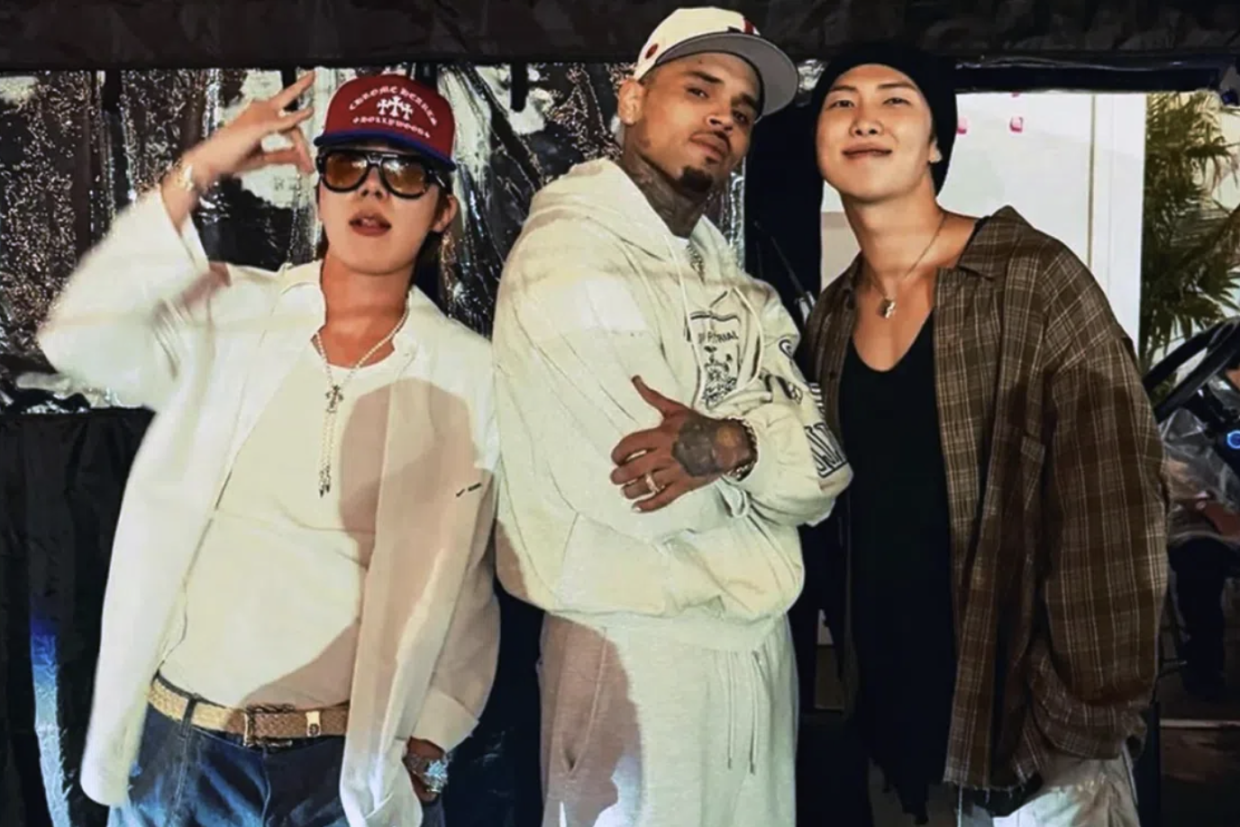
The K-pop phenomenon BTS found itself at the centre of a contentious debate after two of its prominent members attended a concert by American musician Chris Brown in Canada earlier this month. When Brown posted a photograph alongside BTS leader Kim Namjoon and rapper Jung Hoseok on August 13, the seemingly innocuous social moment quickly transformed into a flashpoint for discussions about celebrity ethics and fan responsibility. The backlash underscores growing tensions within the fanbase regarding moral consistency and the platform wielded by global entertainment figures.
Chris Brown's presence at any public event remains controversial due to his extensive history of violent incidents spanning more than a decade. Most notably, his 2009 conviction for domestic violence against then-girlfriend Rihanna established a high-profile precedent for scrutiny of his public appearances and associations. The incident became a defining moment in celebrity accountability discussions, making subsequent controversies surrounding Brown particularly fraught with layers of historical significance that resonate across the entertainment industry.
Beyond the 2009 conviction, Brown's legal troubles have continued to accumulate. In 2016, law enforcement arrested him following allegations that he threatened a woman with a firearm at his Los Angeles residence, though he was subsequently released on bail. Two years later, investigators examined claims that Brown and guests at his home sexually assaulted a woman, though the case was ultimately dismissed following a financial settlement. These incidents established a pattern that extended into the following decade, suggesting systemic behavioural concerns rather than isolated instances.
The artist's difficulties with the law intensified further during international travel. In Paris, a woman lodged a rape accusation against Brown, resulting in his detention, though authorities ultimately dropped the charges and released him. More recently, in 2022, a woman identified in legal documents as Jane Doe alleged that Brown drugged and sexually assaulted her aboard a yacht in Miami, claiming she feared for her personal safety. Additionally, a Los Angeles jury determined that Brown bore financial liability in a separate matter, ordering him to pay USD 12.9 million to the sister of his housekeeper following a dog attack incident.
The announcement of BTS members' attendance at Brown's concert immediately triggered a significant response from the fanbase. Many supporters of the group, collectively known as ARMY, expressed dismay and disappointment, with some indicating that the incident had fundamentally altered their perception of the band. One ARMY member articulated her position with particular emotional weight, disclosing that she herself had experienced sexual assault. She articulated her grievance by emphasising that she resented looking up to entertainers who appear to support individuals with documented histories of abuse against women, ultimately prioritising her identity as a woman over her identity as a fan.
However, the fanbase response revealed significant internal division. Some supporters rushed to defend their idols, arguing that celebrities retained the right to attend concerts and associate with other performers based on personal musical preferences. These defenders questioned why such social interactions should carry broader moral implications or warrant public scrutiny. This defensive posture, while common in online spaces, encountered substantial pushback from other internet users and even from within segments of the BTS fanbase itself.
Critics of the defensive argument highlighted the distinction between ordinary citizens and globally influential celebrities. They emphasised that BTS, possessing an extraordinarily large and devoted international following, carries a different standard of responsibility than anonymous individuals. The visibility of such associations, critics argued, sends implicit messages to millions of fans about acceptable standards of conduct regarding support for abusers. Several users on social media platforms pointed out that defending artists in response to public controversy may not actually reach the entertainers themselves, but instead reaches fellow fans who may themselves be survivors of domestic violence or abuse.
The conversation evolved to encompass broader questions about complicity and moral responsibility. Some observers drew distinctions between active misogyny and passive silence, arguing that failing to distance oneself from documented abusers represents a form of tacit endorsement. They contended that major celebrities cannot claim moral neutrality simply because they personally did not commit abusive acts, particularly when their economic and cultural support potentially benefits accused perpetrators. This framing suggested that the attendance at Brown's concert represented a choice with meaningful consequences beyond personal entertainment preferences.
Notably, the controversy invoked precedent from other artists in the industry. Swedish musician Zara Larsson, who has previously collaborated with BTS, has publicly stated her position on this precise issue. In previously circulated social media content, Larsson indicated that she maintains a comprehensive block list of accused abusers on music streaming platforms, specifically naming Brown as an example of an artist she refuses to support. Her stance provided a counterpoint to the argument that celebrities simply cannot be expected to apply ethical filtering to their entertainment consumption.
The timing of this controversy compounds existing tensions between BTS and segments of its fanbase. Recently, the group attracted criticism for collaborating with Google's artificial intelligence system Gemini on an advertisement campaign. That partnership similarly sparked fan backlash, though centred on environmental concerns related to AI technology development rather than moral questions about association. The advertisement, designed to illustrate how technology and artistic creativity might intersect, was displayed on the Las Vegas Sphere, extending the group's profile while simultaneously drawing scrutiny to its business decisions and strategic partnerships.
These sequential controversies suggest an emerging pattern of tension between BTS's global business operations and the values that substantial segments of its fanbase prioritise. For Malaysian and Southeast Asian audiences, the incident resonates particularly given the region's substantial K-pop consumption and the significant female demographic among BTS supporters. The debate ultimately raises uncomfortable questions about whether celebrity influence carries moral weight, whether individual artists can separate their personal consumption habits from their public responsibility, and how international fandoms navigate ethical differences between their idols' public positions and private choices.

