A major wildfire raging across British Columbia continues to threaten thousands of residents, with authorities reporting the blaze remains uncontained despite signs that its rapid advance is beginning to slow. The fire has swept across more than 100 square kilometres of the western Canadian province, prompting emergency services to order the evacuation of approximately 20,000 people from their homes. Authorities acknowledged on Sunday that while the situation remains critical, the pace of the fire's expansion has started to moderate, offering some relief after days of intense spreading.
The dramatic shifts in the fire's movement have been partly determined by its reach toward Okanagan Lake, a geographical feature that is effectively slowing the flames' progression. Emergency responders are now concentrating their efforts on protecting residential areas on the periphery of Summerland, a community of roughly 12,000 inhabitants that sits in the path of the advancing flames. The scale of the disaster has been compounded by the sheer number of properties threatened, with approximately 10,000 residences currently affected across the region and evacuation orders remaining in effect for thousands of displaced residents.
The human cost of the disaster has become increasingly apparent as rescue operations continue. Helicopter rescue teams have pulled more than 50 people from areas where they became trapped by the rapidly advancing flames, while police are investigating reports of at least one potential fatality, though confirmation is still pending. These rescue efforts have underscored the dangerous conditions facing both residents and emergency personnel as the wildfire continues to advance through populated areas.
The Canadian federal government has mobilized resources to address the crisis, with Minister of Emergency Procurement Eleanor Olszewski confirming that a formal aid request from British Columbia authorities has been approved. The federal response includes providing temporary housing and accommodation for evacuated residents, recognising the urgent need to support thousands of people who have been displaced from their homes and are struggling to secure immediate shelter.
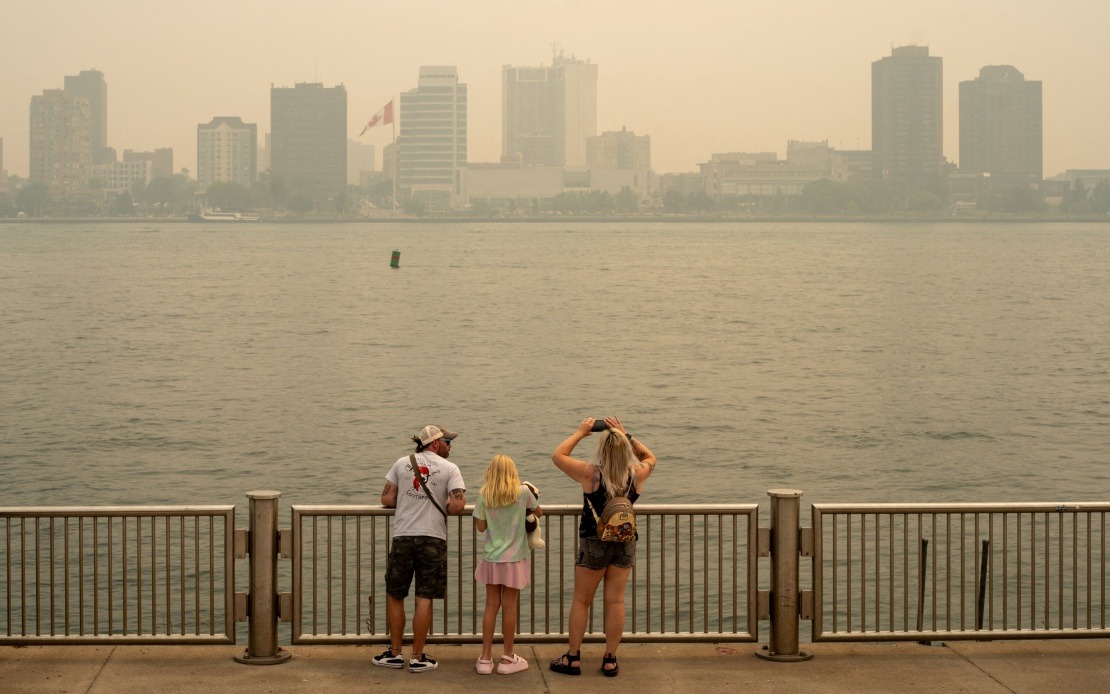
Extreme weather conditions continue to hamper firefighting efforts, with persistent heat, dry conditions, and dense smoke limiting visibility and creating dangerous working environments for firefighting crews. These atmospheric challenges have made it difficult for ground and aerial crews to coordinate operations effectively, while the thick smoke blanket has also impacted air quality throughout the region and beyond, affecting respiratory health for residents across a wider area.
Facing a crisis of this magnitude, British Columbia has not relied solely on domestic resources. International support has arrived from Mexico, Australia, and New Zealand, whose firefighting teams have joined Canadian personnel in battling the blaze. This multinational response reflects the severity of the situation and the mutual aid protocols that operate within the international firefighting community during major disasters.
British Columbia formally declared a state of emergency on Saturday, a decision driven by the unprecedented scope of wildfire activity across the province. Authorities have recorded more than 100 separate wildfires burning simultaneously throughout the region, with alarming reports indicating that nearly half of these blazes remain out of control. This widespread conflagration pattern suggests that resources are stretched thin across multiple firefighting operations, hampering the ability to contain individual fires.
The wildfire crisis is not isolated to British Columbia. Other major Canadian provinces have also grappled with significant wildfire activity during the current season, with Ontario and Quebec both experiencing substantial blazes that have required mobilization of provincial resources and emergency response teams. This pattern of widespread, severe wildfires across multiple provinces indicates a troubling seasonal trend that climate experts have increasingly linked to warming temperatures and prolonged drought conditions in North America.
For Malaysian and Southeast Asian observers, the British Columbia wildfire crisis serves as a stark reminder of how climate-related natural disasters are affecting developed nations with sophisticated emergency response systems. The scale of the displacement, the need for international assistance, and the challenges posed by weather conditions that overwhelm conventional firefighting techniques offer valuable lessons for regional preparedness planning. Southeast Asia, particularly Malaysia with its tropical climate and historical susceptibility to transboundary haze events linked to forest fires in Indonesia, faces its own wildfire risks that could be exacerbated by changing climate patterns. The coordinated international response mobilized for the British Columbia emergency demonstrates the importance of maintaining well-developed cross-border disaster management frameworks and pre-established protocols for requesting and deploying foreign firefighting expertise.

