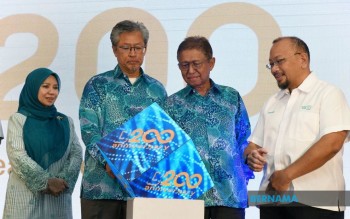
Boustead Holdings Bhd is charting an ambitious expansion course, announcing plans to expand its annual revenue to RM30 billion within the next five years—more than doubling its current RM12 billion turnover. The conglomerate, which traces its origins to agricultural trading and warehousing operations, is undergoing a comprehensive strategic transformation centred on three pillars: defence, property development, and commercial services. This repositioning reflects a fundamental shift in focus for the century-old company, moving away from its traditional business roots towards serving Malaysia's evolving defence and infrastructure needs.
The revenue growth target was articulated by group managing director Datuk Dr Ahmad Sabirin Arshad during the soft launch of Boustead's bicentennial celebration programme in George Town. He emphasised that the company's new strategic direction comes with explicit mandates from both shareholders and the Defence Ministry, following the launch of Malaysia's National Defence Industry Policy in January. This policy framework provides the institutional backing and government commitment necessary for Boustead to pursue its ambitious defence sector initiatives with confidence.
A cornerstone of Boustead's transformation involves building a comprehensive defence industry ecosystem from the ground up. The company is planning to cultivate approximately 400 vendors within the defence sector, creating an interconnected supply chain that strengthens Malaysia's indigenous defence manufacturing capability. This vendor development strategy goes beyond simply engaging contractors; it represents a deliberate effort to establish a self-sustaining industry cluster that can generate sustainable wealth for the country while reducing dependence on foreign defence suppliers. The initiative aligns with broader regional trends towards defence self-sufficiency and technology sovereignty in Southeast Asia.
A critical performance metric underpinning these efforts is the target of achieving at least 30 per cent local content in defence industry technology products by 2030. This ambitious localisation goal reflects Malaysia's commitment to developing domestic expertise and production capacity in critical defence areas. By establishing local content requirements, the initiative ensures that foreign technology partnerships result in meaningful knowledge transfer and capability building among Malaysian engineers, manufacturers, and suppliers. This approach mirrors successful defence industrialisation strategies employed by other nations seeking to balance international partnerships with domestic technological advancement.
Boustead has been designated to lead four major national defence projects that represent the government's strategic priorities in modernising Malaysia's armed forces. These initiatives encompass satellite development—critical for space-based surveillance and communication capabilities—rolling chassis platforms for armoured vehicles, light weapons production facilities, and development of an advanced Combat Management System. Each project carries significant implications for Malaysia's military modernisation timeline and operational readiness. The assignment of these cornerstone projects to Boustead positions the company as the anchor institution in Malaysia's defence industrial expansion, giving it considerable influence over how defence procurement and technology development unfold across the country.
Beyond pure defence capabilities, Boustead is tasked with leading development of the Batu Cantonment strategic project in collaboration with the Armed Forces Fund Board. This ambitious initiative involves relocating nine existing military installations and transforming the freed-up land into a vibrant commercial hub within the nation's capital. The project represents a creative approach to solving longstanding urban planning challenges while generating revenue for military pension funds. Such mixed-use redevelopment projects have become increasingly important in Southeast Asian cities, where space constraints demand innovative solutions that simultaneously serve defence, commercial, and public interest objectives.
Chairman General (Retired) Tan Sri Abdul Aziz Zainal stressed during the announcement that the company's transformation must be executed with unwavering accountability and governance standards. His emphasis reflects the sensitive nature of defence industry operations and the substantial public resources involved. For a company managing national defence projects and holding stakes in military pension funds, maintaining the highest standards of transparency and financial stewardship is not merely advisable but essential to preserving public confidence and international credibility. The legacy of 200 years of continuous operation, as Boustead approaches its 2028 bicentennial, depends significantly on maintaining these institutional standards.
The international dimension of Boustead's defence strategy involves forging strategic alliances with credible foreign partners capable of transferring advanced technology to Malaysian teams. The company recognises that genuine technological advancement requires more than simply acquiring foreign equipment; it demands structured partnerships that facilitate knowledge transfer and build indigenous expertise. This measured approach to technology acquisition reflects lessons learned from defence industrialisation experiences across Asia, where selecting the right international partners and negotiating appropriate technology transfer terms can determine the long-term success of domestic defence industries. Boustead's commitment to vetting partners carefully suggests a sophisticated understanding of these dynamics.
Complementing the defence focus, Boustead is strengthening its operations in tourism and insurance sectors to provide diversified revenue streams and reduce dependency on defence contracts. This portfolio diversification strategy protects the company against cyclical government spending fluctuations and geopolitical uncertainties that might impact defence procurement budgets. The tourism sector, particularly relevant for Malaysia given its regional importance as a travel destination, offers growth potential as regional tourism rebounds post-pandemic. Similarly, insurance services—both specialised defence-related coverage and commercial lines—represent stable revenue sources with natural synergies to the conglomerate's broader operations.
For Malaysian investors and policymakers, Boustead's transformation carries broader significance beyond the company itself. The success of this defence industrialisation strategy will influence Malaysia's broader capability to indigenously develop military capabilities and reduce defence import dependency. This matters considerably for Southeast Asian strategic calculus, where technological capability increasingly determines regional influence and credibility. If Boustead successfully executes its plans, Malaysia could position itself as a regional leader in defence technology, potentially attracting partnerships from other ASEAN nations seeking reliable local suppliers. Conversely, implementation challenges could impact the government's defence modernisation timeline and force Malaysia to continue relying on external suppliers for critical capabilities.

