The two principal land entry points connecting Malaysia and Singapore experienced unimpeded traffic movement on July 11 as voters made their way to cast ballots in the 16th Johor state election. The Sultan Iskandar Building and Sultan Abu Bakar Complex, which process the bulk of vehicular crossings between the two nations, maintained efficient operations throughout the morning period despite the anticipated surge of 2.6 million eligible electors heading to polling stations across the state.
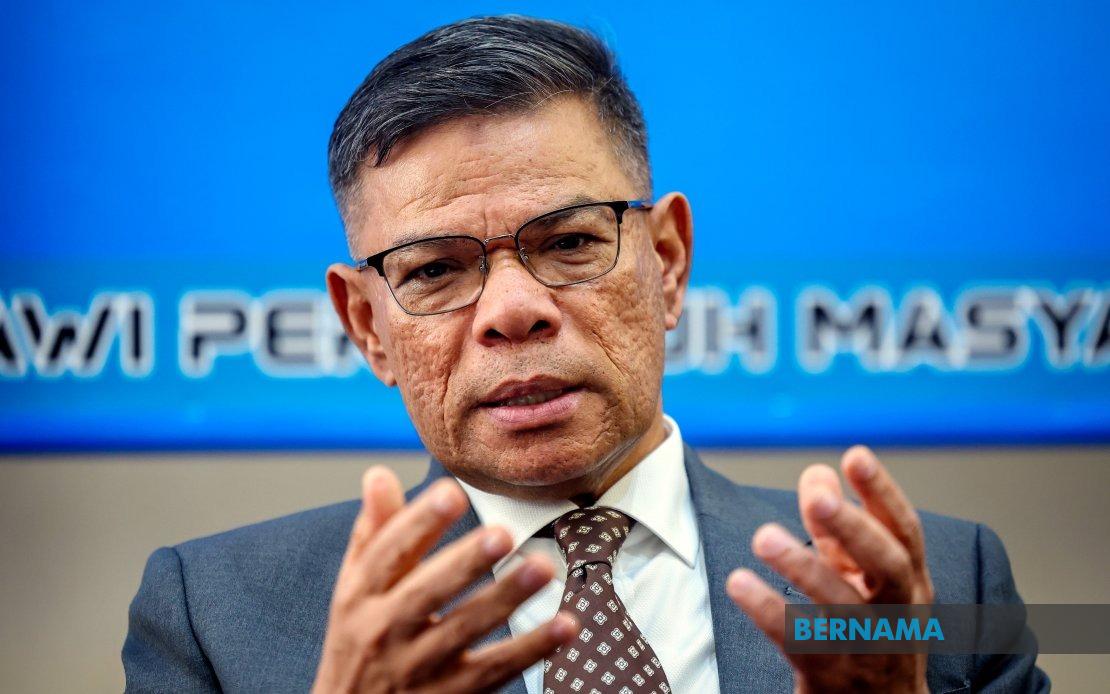
Home Minister Datuk Seri Saifuddin Nasution Ismail confirmed the positive conditions through a social media update, noting that he had received real-time reports from the Malaysian Border Control and Protection Agency regarding traffic circulation at both checkpoints. The minister's statement reflected a coordinated inter-agency effort to ensure that the democratic process could proceed without logistical impediments, particularly for the significant number of Malaysian voters residing or working in Singapore who returned to participate in the state-level contest.
The seamless border transit stemmed from deliberate preparation by authorities, who recognised that an election of this magnitude would create atypical demand at the crossing points. The AKPS deployed comprehensive measures including the establishment of dedicated traffic lanes exclusively for returning voters, the activation of hybrid processing counters that could flexibly handle both vehicle and pedestrian flows, and the implementation of contra-flow arrangements to maximise directional capacity. These operational enhancements began on the preceding day with round-the-clock special lane operations and continued from just after midnight until 6 pm on polling day itself, essentially bracketing the entire electoral process with enhanced throughput capability.
For Malaysian citizens abroad, particularly those in Singapore's substantial expatriate and migrant worker communities, the logistics of returning to vote in state elections have historically presented challenges. The border infrastructure, while modern and generally efficient, can become severely congested during peak periods, especially when large numbers attempt to cross simultaneously. By anticipating this pressure and implementing flexible counter systems and contraflow lanes, the government sought to eliminate this practical barrier to electoral participation, ensuring that voters would not be deterred by fears of lengthy delays or missed voting opportunities.
The Johor election represented a significant political moment for the state, with 172 candidates competing across 56 state assembly seats in what was framed as a test of voter sentiment and political allegiance. The scale of this contest necessitated extensive logistical coordination beyond merely border management. Election authorities established 1,076 polling centres nationwide and opened 4,889 voting channels simultaneously at 8 am, reflecting the scale and complexity of administering democratic participation in a geographically dispersed population with substantial numbers overseas.
The Election Commission had set an aspirational voter participation target of approximately 70 per cent, a threshold that would require strong turnout including from diaspora communities. The completion of results by 10 pm on the same evening would provide rapid clarity on electoral outcomes, allowing government and opposition parties to immediately pivot to their respective post-election strategies. For voters scattered across Singapore and elsewhere abroad, the streamlined border procedures represented a tangible manifestation of government interest in facilitating their democratic rights.
For Malaysia and Singapore, the smooth operation of these border crossings carried broader significance beyond a single election. The two nations maintain one of the world's busiest land borders, with hundreds of thousands of vehicles and individuals crossing daily for employment, commerce, education, and personal reasons. Demonstrations of the system's capacity to absorb episodic surges without breakdown reinforce confidence in the infrastructure's resilience and the managing agencies' operational competence. Any major congestion or border dysfunction carries economic costs for both nations through disrupted supply chains and worker absences.
The deployment of enhanced border capacity also reflects evolving understanding among Malaysian authorities regarding the importance of eliminating structural barriers to electoral participation. In an era when voter turnout is often cited as essential to democratic legitimacy, removing practical obstacles—particularly those affecting geographically dispersed populations—represents sound governance and a signal that the state takes seriously its obligation to facilitate democratic engagement across its diaspora. This is especially relevant in Johor, which has proportionally higher numbers of residents working across the causeway in Singapore compared to other Malaysian states.
The border management operation on polling day also demonstrated institutional coordination between the Home Ministry, election authorities, and the dedicated border protection agency. Such multi-agency synchronisation, while routinely necessary, requires clear communication protocols and shared operational objectives. The visible deployment of these capacities—documented through ministerial social media updates—served an additional communicative function, signalling to both voters and international observers that Malaysia's electoral infrastructure could accommodate unusual demand while maintaining orderly processing.
Looking forward, the model deployed for the Johor election could inform approaches to managing borders during future large-scale electoral events or other occasions generating exceptional cross-border movement. As Malaysia continues to develop its electoral practices and infrastructure, the integration of border management expertise into election planning represents a mature approach to enabling participation among dispersed electorates. The success of this operation suggests that similar coordination could be replicated for federal elections or by-elections in states with substantial overseas voting populations.

