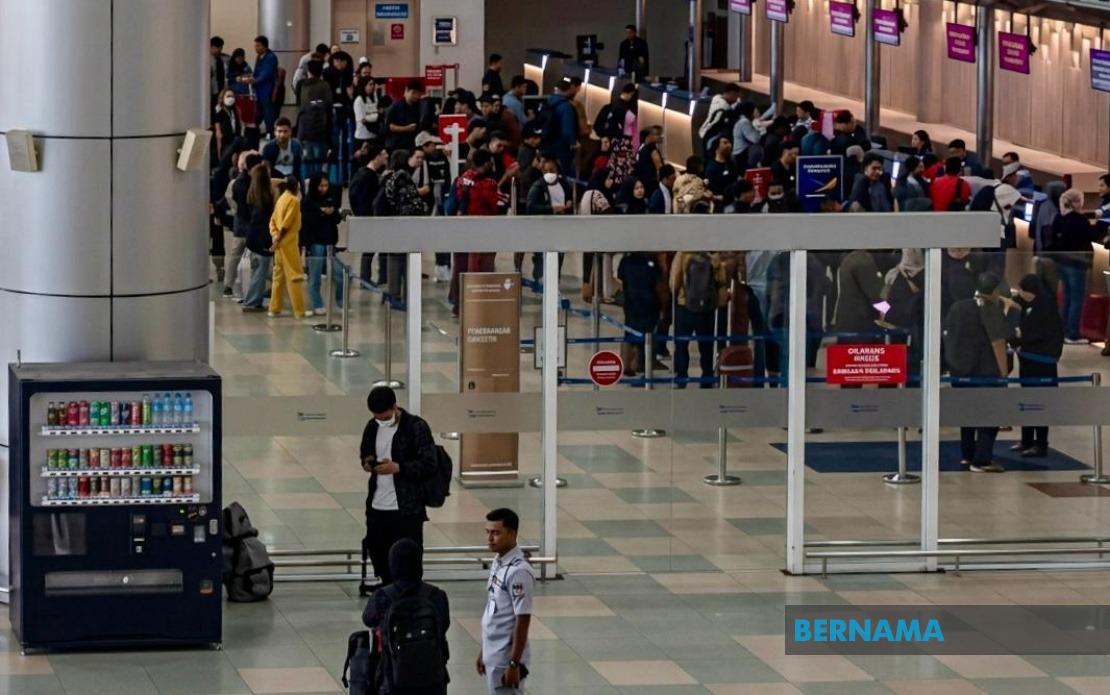
Labuan Airport suspended all runway operations on Wednesday evening following the discovery of explosive devices positioned approximately 150 metres from the active runway. The Royal Malaysian Air Force issued a Notice to Airmen at 5pm, formally notifying the aviation community of the temporary closure and triggering immediate operational changes across the airport's flight schedule. Authorities have not yet disclosed the nature, quantity, or full details surrounding the discovery, but the proximity of the ordnance to operational infrastructure prompted swift precautionary measures to safeguard civilian air traffic.
The RMAF and airport management are conducting a comprehensive joint inspection of the runway environment as part of standard safety protocols. Reopening the facility depends entirely on the completion of this assessment and the issuance of formal safety clearance by relevant authorities. No timeline for restoration of normal operations has been announced, leaving the airport's status fluid pending further developments. This type of security incident, while uncommon at Malaysian civil airports, underscores the stringent safety standards maintained by aviation authorities in the region.
The disruption has created substantial ripple effects across Labuan's air connectivity. Flights scheduled to depart for Miri and Kota Kinabalu have been outright cancelled, while services to Kuala Lumpur and other destinations have been either delayed or rerouted through alternative airports. Bernama's on-site monitoring identified at least five scheduled flights affected during the peak evening travel window, departing at 4:05pm, 5:15pm, 6:05pm, 6:15pm, and 7:25pm, with destinations spanning three of Malaysia's major aviation hubs. The timing of the closure during late-afternoon hours maximised passenger disruption, affecting both business and leisure travellers heading to the peninsula's business districts.
Labuan Airport serves as a critical transport link for the federal territory's economy, connecting the offshore financial centre to Peninsular Malaysia and other Sabah regions. The airport typically handles routine traffic between the island and major urban centres, supporting both corporate travel and tourism. Any prolonged closure creates cascading effects for businesses and individuals dependent on this regional connectivity, particularly those in the oil and gas sector and financial services industries concentrated in Labuan. For Malaysian readers, the incident highlights the vulnerability of regional airports to security incidents and the importance of maintaining robust inspection protocols.
Airlines operating from Labuan have been managing passenger rebooking and accommodation arrangements as standard crisis protocols activate across the aviation sector. Passengers facing cancellations have access to alternative arrangements through their respective carriers, though rebooking on limited regional capacity can prove challenging during peak travel periods. The onus falls on travellers to proactively contact their airlines and monitor official channels rather than relying on automated updates, as airport authorities coordinate with multiple carriers simultaneously. Airlines have not yet issued formal statements regarding compensation eligibility or passenger care arrangements under Malaysian aviation regulations.
The incident occurs within the broader context of regional security considerations affecting aviation infrastructure across Southeast Asia. Labuan's strategic location in the Sulu Sea region, which has historically experienced maritime security challenges, means airport authorities maintain elevated vigilance regarding potential threats. However, the presence of explosives near an active runway represents an unusual category of incident warranting coordinated responses from military, civilian aviation, and law enforcement agencies. The swift NOTAM issuance demonstrates the established communication protocols between RMAF and Malaysia Airports Holdings, the primary airport operator.
Travellers currently planning journeys through Labuan face significant uncertainty regarding flight availability and should contact their airlines immediately for updated information rather than proceeding to the airport without confirmation. The temporary nature of the closure suggests authorities anticipate relatively swift clearance pending inspection results, but passengers should prepare for extended delays or alternative routing. The aviation industry's operating procedures in Malaysia prioritise safety clearances over schedule adherence, meaning flight resumption will depend entirely on security assessment outcomes rather than predetermined timelines.
For businesses in Labuan, particularly those in offshore banking and petroleum sectors that depend on regular connectivity to Kuala Lumpur and Kota Kinabalu, the closure creates operational complications. Deal-making and client meetings frequently require same-day or next-day travel to the peninsula, and any multi-day airport closure would force managers and executives to consider alternative transport or videoconference arrangements. The economic implications extend beyond passenger inconvenience to potentially affecting business continuity for time-sensitive operations.
Authorities have indicated that additional updates will be released as circumstances develop. The RMAF's assumption of coordination responsibility signals that security concerns take precedence over normal civilian airport management, a standard approach when ordnance or potential threats are involved. Malaysian aviation stakeholders and regional carriers monitoring this situation will likely maintain heightened alert status until formal all-clear notifications restore confidence in Labuan Airport's operational safety. Travellers should anticipate further disruptions until comprehensive security assessments conclude.

