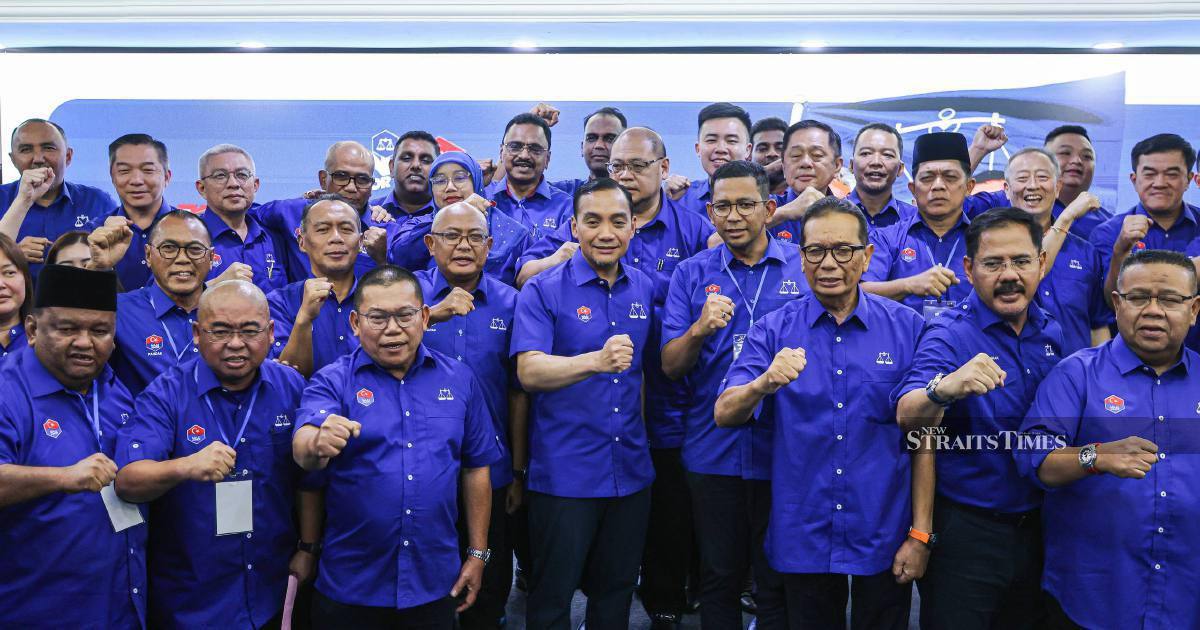
Barisan Nasional's Johor leadership has delivered a firm rejection of any potential coalition arrangements following the state election, declaring that the historic political bloc intends to govern alone should it command sufficient parliamentary support. The unambiguous stance reflects growing confidence within BN's Johor apparatus as the party gears up for what could prove a decisive electoral contest in one of Malaysia's most politically significant states.
The refusal to entertain coalition partnerships marks a notable shift in Malaysian political strategy, particularly given the fractious nature of state and federal politics over the past five years. Since the 2018 general election, various coalitions have emerged and dissolved with regularity, creating an unpredictable landscape where yesterday's political opponents might become governing partners overnight. BN's hardline position in Johor suggests the coalition believes it can secure an outright majority, eliminating the need for post-election negotiations with opposition or splinter parties.
This declaration carries substantial implications for Johor's political trajectory and the broader configuration of Malaysian governance. As Malaysia's second-largest state by population and a crucial economic hub within the northern region of Peninsula Malaysia, Johor's government wields considerable influence over domestic policy, state-level investments, and regional economic development initiatives. A BN administration unconstrained by coalition obligations would theoretically enjoy greater policy flexibility and decisional autonomy, though it would also face heightened accountability if governance falters without external coalition partners to blame.
The timing of BN's statement also reflects internal party calculations and competition within its own ranks. As the dominant component of the coalition, UMNO faces pressure from both the Democratic Action Party and other Peninsular Malaysia-based partners seeking assurances about ministerial positions and portfolio allocation. By declaring a solo governance intention, BN effectively signals that it will determine the distribution of power and positions without external pressure, potentially consolidating UMNO's dominance within state administration.
For Johor's electorally volatile population, BN's stance represents either reassurance or warning depending on voter perspective. Those favouring strong, independent governance may view the promise of solo rule as ensuring swift decision-making and clear accountability. Conversely, voters accustomed to coalition arrangements might perceive the stance as arrogance or underestimation of opposition strength, particularly given Pakatan Harapan's continued organisational presence throughout the state.
The political backdrop in Johor has shifted considerably since the 2018 election when BN suffered unprecedented losses. Subsequently, the state has experienced coalition instability, leadership transitions, and defections that tested governance stability. BN's renewed confidence in declaring solo governance intentions suggests internal polling and ground intelligence indicate recovery of voter support, though such confidence requires careful management to avoid electoral complacency.
Regionally, Johor's political direction influences neighbouring states' calculations and inter-state relationship dynamics within ASEAN's Malaysian component. Federal-state relations, particularly the allocation of resources and policy coordination between Kuala Lumpur and Johor Baru, rest partly on the political composition of the state government. A BN-led Johor administration would presumably align more readily with federal initiatives, though tensions have historically emerged even between traditionally allied parties over resource distribution and policy priorities.
Opposition parties must now respond strategically to BN's uncompromising stance. Rather than attempting to forge pre-election coalitions that might dilute individual party identity, opposition entities might pursue targeted seat allocation agreements or campaign coordination strategies. The electoral mathematics of Johor's constituency composition will determine whether fragmented opposition votes enable BN's solo governance or whether consolidated opposition support presents a genuine electoral challenge.
BN's declaration also reflects confidence in its institutional machinery and party discipline. The organization has invested substantially in grassroots revitalization and candidate recruitment following its 2018 setback. Declaring a solo governance intention demands credibility and operational competence; should BN underperform expectations, the unambiguous commitment to governing independently transforms from strength into political liability, eliminating the convenient excuse that coalitional arrangements constrained governance scope.
As Johor election campaigns intensify, BN's hardline position will likely dominate political discourse. Opposition leaders will challenge the assertion of inevitable victory, while BN candidates will emphasize party unity and clarity of mandate. For Malaysian voters observing from other states, the Johor contest represents a significant test of whether voters have genuinely restored confidence in BN following years of political turbulence and whether the traditional political order can reassert dominance in contemporary Malaysian electoral dynamics.