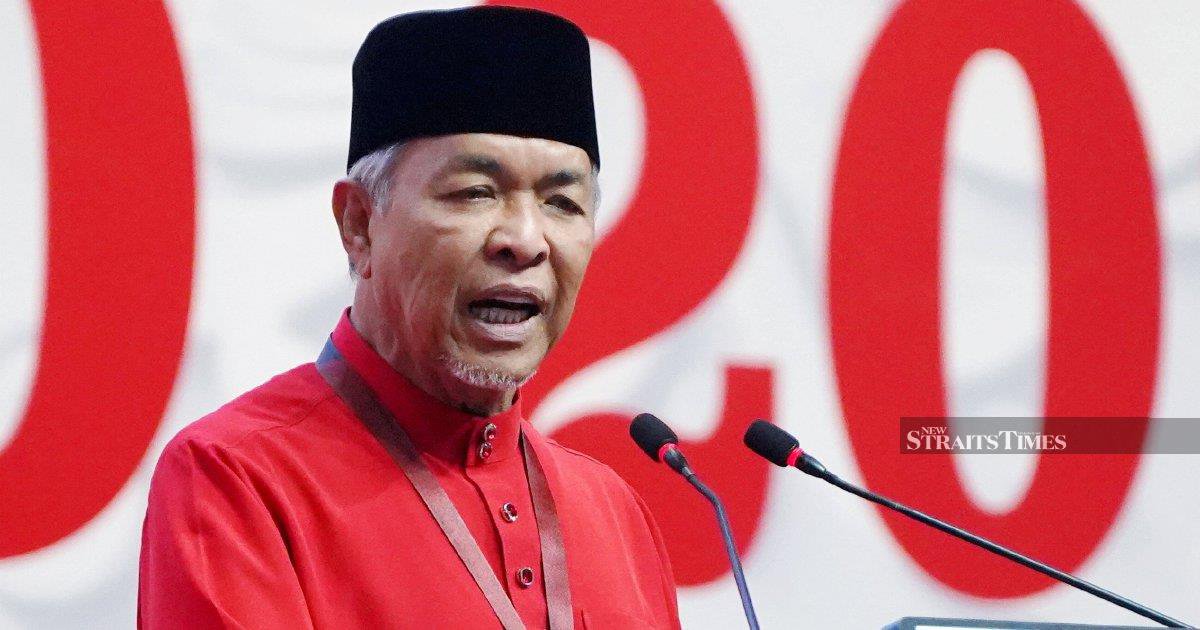
Barisan Nasional and Umno will make no exceptions and extend no protection to anyone if the ongoing Royal Commission of Inquiry into Tabung Haji concludes that individuals or groups engaged in misconduct, according to Datuk Seri Dr Ahmad Zahid Hamidi, who chairs both the coalition and the party. Speaking in Putrajaya, the BN chairman signalled that political loyalty will not shield officials from accountability should the investigative body uncover evidence of criminal breach of trust or systemic governance failures at the Islamic pilgrimage fund.
This declaration carries substantial weight given Umno's historical dominance of Malaysian politics and its deep ties to major institutions. The party has faced persistent questions about accountability and transparency over decades of governance, making such public commitments to judicial independence noteworthy for observers tracking potential reforms in institutional accountability. Zahid's statement suggests recognition that public confidence in Umno and BN institutions has eroded sufficiently to demand visible compliance with investigative findings, regardless of political consequences.
The Tabung Haji inquiry itself reflects mounting scrutiny over the management of the RM70 billion fund, which serves as custodian of savings for over 1.7 million Malaysian pilgrims preparing for the Hajj. The fund has faced criticism regarding investment decisions, governance structures, and operational transparency in recent years. The RCI represents an attempt to formally establish whether administrative lapses or intentional misconduct contributed to concerns raised by members and financial observers. Given the fund's spiritual and financial importance to Malaysia's Muslim population, any findings of mismanagement carry both symbolic and practical implications for religious trust in state institutions.
Umno's explicit renunciation of internal protection for implicated officials marks a tactical shift in how the party signals its relationship with accountability mechanisms. In previous eras, party affiliation often provided de facto immunity from serious investigation, or at minimum meant delayed prosecution and reduced sentences. By publicly committing to non-interference now, Zahid attempts to differentiate contemporary Umno governance from the patterns that invited the 1Malaysia Development Berhad scandal and subsequent corruption convictions of former Prime Minister Datuk Seri Najib Razak. This repositioning reflects both pragmatic politics and genuine institutional reform pressures.
For Malaysian readers, the statement carries implications beyond Tabung Haji itself. It tests whether major political parties will genuinely subordinate internal discipline to independent judicial processes, or whether public commitments to accountability remain largely rhetorical. The coming months will reveal whether Umno maintains this stance if the RCI identifies senior party members or government officials as responsible for problematic decisions. Historical precedent suggests considerable pressure to soften consequences, reframe findings, or slow implementation of recommendations.
Southeast Asian governance observers note that Malaysia's trajectory on institutional accountability will influence regional trends. Other countries in the bloc monitor whether democratic institutions can effectively investigate ruling coalitions, and whether those coalitions accept unfavourable findings. A genuine implementation of full accountability at Tabung Haji would signal that Malaysia has substantially shifted from earlier patterns where political affiliation determined investigation outcomes.
The RCI itself operates under formal independence, though its terms of reference and final authority rest with government. The commission's ability to pursue findings without political obstruction will provide a practical test of Zahid's commitment. Preliminary investigations have already suggested governance questions, meaning the inquiry will likely produce substantive recommendations rather than clearances. Whether Umno and BN prove willing to implement unpopular measures—dismissals, prosecutions, structural reforms—will ultimately define credibility more than current verbal assurances.
Tabung Haji's situation reflects broader governance challenges facing Malaysian state-linked enterprises. Many large funds and corporations operate with insufficient oversight mechanisms, opaque decision-making processes, and governance boards dominated by political appointees rather than independent expertise. If the RCI produces findings and recommendations, they may establish precedents for reforming similar institutions, extending impacts well beyond the pilgrimage fund itself. This makes Zahid's statement significant not merely for Tabung Haji but as potential harbinger of institutional reform across the state enterprise ecosystem.
The fund's members—ordinary Malaysians from diverse economic backgrounds saving for religious pilgrimage—represent a constituency with direct financial interest in transparent, competent management. Unlike abstract concerns about governance, Hajj savings involve concrete money that families have accumulated over years or decades. This creates unusual political pressure on Umno and BN to demonstrate tangible accountability, since any finding that mismanagement cost pilgrims money invites immediate public backlash beyond typical party-political calculations.
Zahid's declaration also reflects awareness that public trust in major institutions has fragmented significantly in recent years. Younger Malaysians and urban professionals increasingly demand institutional reforms and accountability regardless of political colour, making it strategically hazardous for major parties to appear obstructive regarding credible investigations. By proactively committing to accepting RCI findings, Zahid attempts to position Umno and BN as institutions capable of reform and self-correction—a narrative essential for political rehabilitation following earlier corruption scandals.
The coming weeks will determine whether this commitment translates into substantive action or remains a rhetorical positioning exercise. If the RCI identifies wrongdoing and recommends consequences, the real measure of Zahid's promise will emerge.

