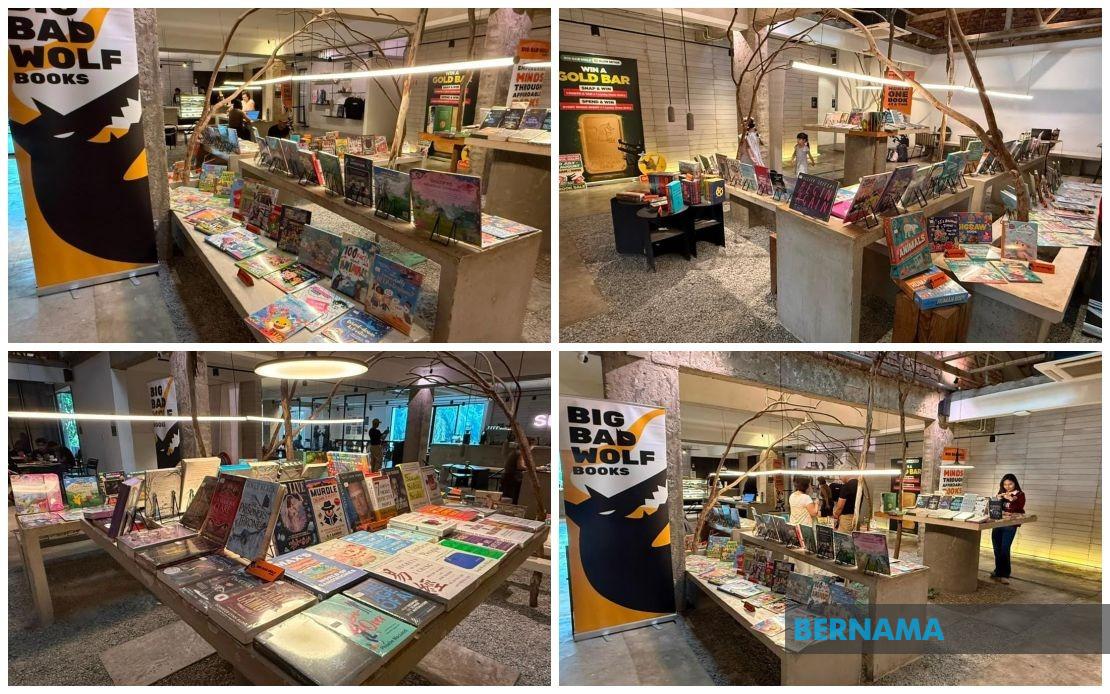
Malaysia's largest and most anticipated book fair, Big Bad Wolf Books, is set to make its return to Alor Setar between July 30 and August 9, bringing with it a substantial refresh of inventory aimed at capturing the imagination of northern Malaysian readers. The event will showcase approximately one million titles across the 11-day run, with organisers deliberately curating 40 per cent new additions to the collection to ensure both returning patrons and first-time visitors encounter fresh material worth exploring.
According to BBW representative Chloe Lim Sooi Yee, the expanded selection and renewed focus represents far more than a commercial endeavour. Rather, the fair functions as part of a deliberate strategy to strengthen reading habits throughout Kedah and establish a more systematic approach to literacy development within the state. This positioning reflects growing recognition among cultural advocates that book fairs serve as crucial infrastructure for communities seeking to embed reading into their everyday lives, particularly in regions where access to diverse titles may be limited by traditional retail constraints.
Among the standout features this year is the introduction of the "Little Ummah" Islamic children's books collection to Kedah, marking the first time this specialised range has been made available to the state's market. The selection acknowledges the religious and cultural preferences of Kedah's predominantly Muslim population while simultaneously broadening the fair's appeal across different demographic segments. By catering to specific community interests alongside mainstream offerings, Big Bad Wolf Books demonstrates how inclusive curation can deepen engagement with reading across diverse populations.
Pricing accessibility remains central to the fair's philosophy, with books commencing at just RM3, a threshold that removes financial barriers commonly experienced by lower-income families seeking quality reading material for their children. More dramatically, the fair will offer discounts extending up to 95 per cent on selected titles, a markdown strategy designed to transform book purchasing from a discretionary luxury into an achievable expense for ordinary Malaysian households. Such aggressive pricing reflects both the fair's commitment to democratising access and its business model of generating volume through affordability rather than premium margins.
The venue for the fortnight-long festival will be Sultan Abdul Halim Stadium, operating daily from 10 am through 10 pm with no admission charges. This arrangement ensures that exploration of the collection remains entirely free, permitting visitors to browse at leisure without time pressure or entry-cost concerns. The extended operating hours accommodate working adults and school schedules, indicating thoughtful planning around the temporal realities of potential visitors' availability.
Big Bad Wolf Books has cultivated a strong identity around the concept of "accessible and affordable books for all," a marketing message that has resonated particularly well within Southeast Asia where it operates across multiple markets. This Alor Setar edition continues that positioning while simultaneously functioning as a community development initiative. The fair's organisers view their work as contributing to nationwide efforts to strengthen intellectual curiosity and knowledge-seeking among all demographics, from primary school children through to adult learners.
To maximise student participation and encourage classroom engagement with the fair, BBW intends to conduct promotional visits to schools throughout Kedah. Further incentivising educational participation, both students and teachers will receive an additional five per cent discount when purchasing at least three titles, creating a tiered discount structure that rewards bulk purchases and reflects the fair's interest in supporting educators seeking affordable classroom resources. This component acknowledges schools' persistent budget constraints while positioning the fair as a partner in pedagogical resource procurement.
The promotional excitement extends beyond traditional discounting through engaging campaign mechanics. Visitors will have opportunities to win a 10-gramme gold bar via the "spend and win" and "snap and win" campaigns, gamifying the shopping experience and providing tangible incentives beyond the intrinsic value of the books themselves. Such campaigns tap into popular psychology around the thrill of potential rewards while simultaneously encouraging transactions and social media engagement that amplifies awareness of the event.
Organisers have established an ambitious attendance target of 35,000 visitors across the 11-day period, a figure suggesting they anticipate strong interest from Alor Setar and surrounding areas. This projection implies confidence in both the fair's appeal and Kedah's latent demand for affordable reading material, reflecting assumptions about regional interest in books that may have been underestimated by traditional retail channels operating within smaller states. Meeting such targets would provide valuable data about northern Malaysian reading habits and demand patterns.
The Alor Setar event arrives at a moment when regional policymakers increasingly recognise literacy and reading culture as foundational components of educational quality and economic development. By establishing accessible book fairs in secondary cities beyond Kuala Lumpur and Selangor, initiatives like Big Bad Wolf Books help distribute cultural and educational resources more equitably across Malaysia's geography. For Kedah specifically, which historically receives less national attention than more commercially dynamic regions, this event signals that quality cultural programming remains available and valued regardless of state location, potentially motivating broader interest in reading among younger generations and contributing incrementally to longer-term literacy outcomes.

