The conventional wisdom about sun damage—that it happens primarily during beach holidays and outdoor excursions—badly misrepresents the actual threat to your skin. In reality, around 80% of lifetime sun exposure accumulates through the unremarkable rhythms of everyday life: working near a sunlit window, running errands at midday, or even sitting at home. This persistent, low-level exposure is the primary driver of photoaging, the process by which ultraviolet radiation and environmental stressors gradually carve fine lines, deepen wrinkles, and trigger stubborn hyperpigmentation and dark spots that make skin appear older than its years.
What makes this reality particularly insidious is that most people remain unaware of the damage occurring during ordinary activities. Whether you spend your morning answering emails by a bright window, your afternoon hunched over laptop and smartphone screens, or navigate between indoor and outdoor spaces throughout the day, your skin faces continuous assault from multiple sources. The overcast sky provides a false sense of security—many people believe that cloud cover eliminates UV risk, when in fact these rays penetrate clouds and reflect off surfaces. Similarly, those who think remaining indoors guarantees protection are mistaken. Research indicates that approximately 25% of oxidative cellular damage stems from high-energy visible light, or HEV blue light, which emanates from digital screens, LED lighting, and can penetrate through windows.
The scientific evidence supporting year-round protection is compelling. Dermatologists have established that roughly 80% of visible signs of skin ageing result from daily, incidental exposure to UV rays and air pollution—not from acute sunburns or intensive sun exposure during leisure time. This distinction is crucial for understanding why protective behaviour must shift from an occasional beach-day ritual to an integrated daily habit. Dr Syairah Nadia Mohamad, chief executive officer of Radiant Clinique, emphasizes that skin does not differentiate between sunny days and indoor workdays. Damage accumulates regardless of circumstances, making consistent application of protective measures essential rather than optional.
Traditionally, sunscreen adoption has been hampered by practical and cosmetic compromises. Consumers faced a difficult choice between prioritising skin health and maintaining a natural appearance. High-SPF products often left a heavy, sticky residue or created an undesirable ghostly white cast on the skin—drawbacks that discouraged daily use, particularly among those with busy professional lives or those concerned with makeup application and aesthetic presentation. These friction points meant that even people aware of sun damage risks often skipped protection on days when they would not be visibly spending time outdoors, undermining the cumulative protection needed to prevent photoaging.
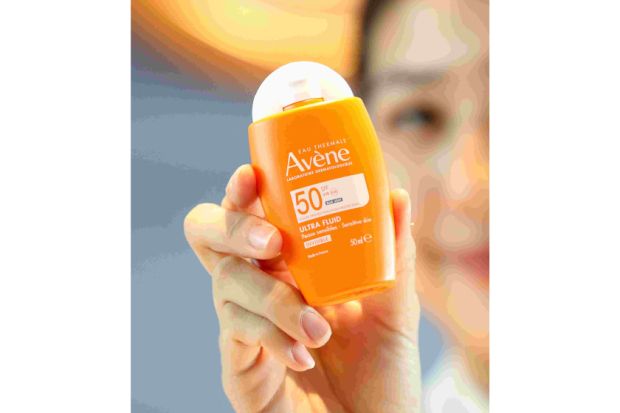
Recognizing these persistent barriers, Eau Thermale Avene unveiled its Ultra Fluid Range at a launch event in July 2026, introducing a portfolio of four sunscreen variants designed to address the specific needs of different skin types and lifestyles. The collection's defining characteristic is a revolutionary ultra-fluid texture that weighs approximately half as much as conventional sunscreen formulations. This innovation delivers what the brand calls "one-second absorption," eliminating the heavy, sticky, or ghosty-white residue that has historically discouraged consistent use. For professionals transitioning between office environments and outdoor commitments, this means applying protection becomes genuinely seamless rather than disruptive.
At the technical core of Avene's formulation lies its patented TriAsorB sun filter, an advanced broad-spectrum shield designed to address the complete spectrum of modern skin threats. Unlike older sunscreen technologies that focused primarily on UVA and UVB blocking, TriAsorB extends protection to include high-energy visible blue light, acknowledging that contemporary skin damage stems from multiple sources. This comprehensive approach recognizes that digital natives and office workers face distinct threats compared to outdoor enthusiasts, and that an effective protective product must address both traditional sun exposure and contemporary environmental stressors including artificial lighting and screen radiation.
The formulation philosophy emphasizes gentleness alongside efficacy. Avene's approach excludes silicones, alcohol, and controversial chemical filters—ingredients that can irritate sensitive skin or accumulate in the body with repeated application. By maintaining what the brand terms a "strictly clean formula," the range becomes suitable for those with reactive or compromised skin barriers, a significant consideration in tropical Southeast Asian climates where heat, humidity, and pollution already stress skin. This is particularly relevant for Malaysian consumers, who face intense equatorial sun combined with high humidity and urban air pollution—a combination that accelerates photoaging and creates a compelling case for daily, comprehensive protection.
The existence of four distinct variants within the range reflects a sophisticated understanding of consumer diversity. Not every person has identical skincare needs or daily schedules. Some may prioritize lightweight formulation for humidity-prone climates; others may seek additional hydration for arid indoor environments; some may need formulations compatible with acne-prone skin, while others require options for sensitive or eczema-prone complexions. By offering multiple options rather than a one-size-fits-all product, Avene acknowledges that sustainable sun protection habits develop only when products genuinely fit into existing routines without requiring sacrifice or compromise.
Cristiana Irimescu, Asia export business director for Pierre Fabre Singapore Pte Ltd, underscores this philosophy by noting that decades of suncare marketing created false choices between health and aesthetics. Modern formulations like Avene's Ultra Fluid Range dissolve this dichotomy. Protection should not demand that users sacrifice their preferred makeup application, outdoor activities, or comfort during daily work. When sunscreen feels as light as water and absorbs instantly without visible residue, the psychological friction that prevents consistent application diminishes significantly. This matters profoundly because sporadic protection provides minimal benefit; cumulative daily application is what actually prevents the persistent, low-level damage that drives premature ageing.
For Malaysian readers specifically, the implications of this research and product innovation extend beyond individual vanity. Southeast Asia's tropical climate creates particularly acute photoaging risks. The region experiences year-round intense UV radiation, high humidity that can compromise skin barriers and increase photosensitivity, and significant air pollution in urban areas that compounds oxidative stress. Professionals working in air-conditioned offices with artificial lighting still accumulate damage from incidental sun exposure during commutes and outdoor activities. Students and younger workers, who may assume they have time to address skin concerns later, are actually establishing patterns of damage during their most vulnerable years—when cells regenerate rapidly but sun exposure effects accumulate persistently.
The broader context also involves changing work patterns and lifestyle factors specific to the region. As remote work and hybrid arrangements become increasingly common, many Malaysian professionals spend extended periods indoors near windows or under artificial lighting, creating a false sense of protection while HEV blue light from screens and indoor lighting continues damaging skin. The psychological shift required—understanding that protection is not contingent on visible sun or planned beach time—demands products that make compliance practical. When sunscreen application feels natural and effortless rather than burdensome, adoption rates increase, which translates into measurably better skin health outcomes across populations.
The launch of lightweight, comprehensive sunscreen formulations addressing both UV and blue light protection represents a meaningful evolution in how the beauty and wellness industry acknowledges modern environmental threats. However, product innovation alone cannot solve photoaging without corresponding shifts in consumer behaviour and understanding. Education about the reality of cumulative daily exposure—that the majority of damage occurs during ordinary activities rather than intentional sun exposure—must accompany product development. When Malaysians internalize that their morning commute, office window seat, and afternoon errands are collectively responsible for more skin damage than their annual vacation, daily protection becomes not an optional cosmetic choice but a rational investment in long-term skin health and appearance.
Ultimately, the conversation about sun protection and photoaging reflects broader trends in preventative healthcare and wellness. Rather than waiting for visible damage to accumulate before addressing skin concerns, the contemporary understanding emphasizes consistent, routine protection integrated seamlessly into daily life. For a region like Malaysia, where climate intensity, pollution levels, and increasingly digital lifestyles converge to accelerate skin ageing, accessible and genuinely practical protection options represent meaningful progress. The success of products like Avene's Ultra Fluid Range will be measured not just in sales volume but in whether they successfully shift millions of people from occasional, beach-day protection to comprehensive daily habits that actually prevent the premature ageing that constitutes one of the most visible signs of time's passage.

