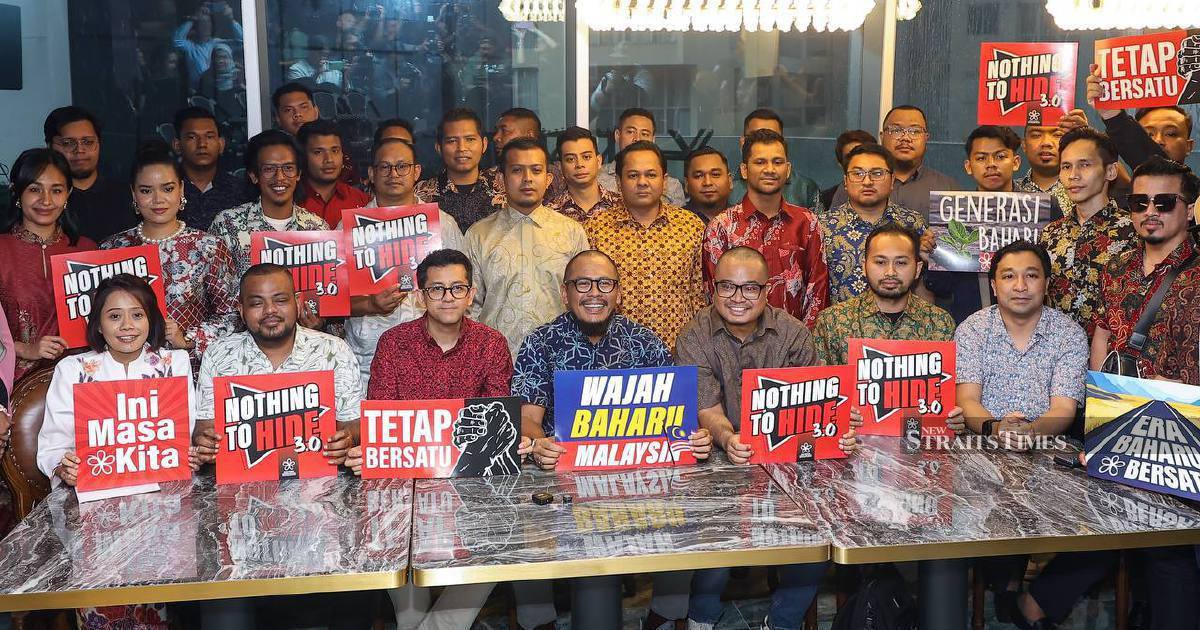
Mohd Ashraf Mustaqim Abdul Munir, the Kota Siputeh state assemblyman representing Bersatu, has struck a conciliatory tone regarding the deteriorating relationship between his party and PAS, two pillars of the Perikatan Nasional coalition. Speaking publicly on the matter, Ashraf expressed confidence that the partnership can be salvaged despite recent friction, drawing a domestic analogy to characterise the fundamental durability of their political bond.
The assemblyman's remarks come at a delicate moment for PN, which has served as an alternative political vehicle since its formation ahead of the 2020 general election. The coalition comprises Bersatu, PAS, Perikatan Nasional, and various regional allies, positioning itself as a counterweight to the ruling Pakatan Harapan government. Internal cohesion has proven essential to PN's viability as a political force, yet the recent public disagreements between Bersatu and PAS have raised questions about the stability of this arrangement.
In characterising the current predicament as resembling a married couple engaged in ongoing household disputes, Ashraf employed language that captures a particular Malaysian political reality: coalition partners often maintain structural links despite day-to-day friction. This metaphor acknowledges that the tensions are real and visible, yet suggests they remain navigable through the mechanisms of cohabitation. For Malaysian observers accustomed to coalition politics, such imagery reflects the pragmatic understanding that political alliances often outlast their moments of greatest strain.
The Bersatu representative's optimism reflects broader calculations within the party regarding the costs of coalition breakdown. A rupture with PAS would fundamentally alter the political landscape, particularly in states where the two parties have established complementary support bases. In Peninsular Malaysia, PAS commands significant grassroots machinery and religious authority, while Bersatu has positioned itself as a modernist Malay-Muslim party with broader urban appeal. The synergy between these two orientations has given PN competitive advantages in several state-level contests.
Recent disputes between Bersatu and PAS have centred on strategic disagreements and resource allocation within the coalition framework. These tensions, while serious enough to generate newspaper headlines and social media commentary, have not yet escalated into formal ruptures or public declarations of separation. Ashraf's measured language suggests an internal acknowledgment within Bersatu that the relationship, however strained, remains worth preserving through dialogue and compromise.
For Malaysian political observers, the significance of Ashraf's remarks extends beyond the immediate PN context. The health of this coalition carries implications for federal politics, particularly given PN's stated ambition to capture federal office in subsequent elections. Should the coalition fracture visibly, the resulting political realignment could beneficiaries other blocs—potentially including Pakatan Harapan components seeking to rebuild fractured relationships or opportunistic independents and regional parties looking to exploit instability.
The assemblyman's confidence in reconciliation also reflects calculations about the costs of internal warfare. Public recriminations between coalition partners invariably attract scrutiny from the press, civil society groups, and opposition figures, all of whom benefit from narratives of PN disunity. By emphasising the possibility of restoration rather than dwelling on the depth of current disagreements, Ashraf adopts a narrative strategy designed to minimise reputational damage while signalling to PAS leadership that Bersatu remains committed to the partnership.
Historically, Malaysian political coalitions have demonstrated remarkable capacity to absorb internal tensions while maintaining formal unity. The ruling Pakatan Harapan coalition similarly navigated periods of considerable friction between its component parties before its fragmentation following the Sheraton Move in 2020. The precedent suggests that PN partnerships, despite their current difficulties, possess structural elasticity that allows them to endure disagreements that would shatter less institutionalised political arrangements.
Ashraf's public optimism also serves a functional purpose in preventing further deterioration of relations. By positioning himself as a voice for reconciliation, the Bersatu representative contributes to an environment where de-escalation becomes politically viable. PAS leaders hearing such conciliatory language have space to respond similarly without appearing to capitulate, thereby creating conditions for quiet bilateral negotiations outside the glare of public discourse.
The broader context for these PN tensions includes competition for influence over Malay-Muslim constituencies and debates about coalition positioning ahead of future electoral cycles. As the next general election approaches, both Bersatu and PAS will compete for dominance within the coalition's decision-making structures. Managing these ambitions while maintaining coalition unity requires exactly the kind of patient diplomacy that Ashraf's remarks implicitly advocate.
Looking forward, the trajectory of Bersatu-PAS relations will significantly influence PN's prospects. A successful reconciliation would bolster coalition credibility and demonstrate that internal disagreements need not translate into existential threats. Conversely, failure to bridge current divides could trigger a cascade of defections and party-switching that would reshape Malaysian federal politics. Ashraf's hopeful framing suggests Bersatu leadership believes the relationship remains salvageable, though whether this optimism reflects genuine confidence or strategic messaging remains an open question in Malaysian political circles.

