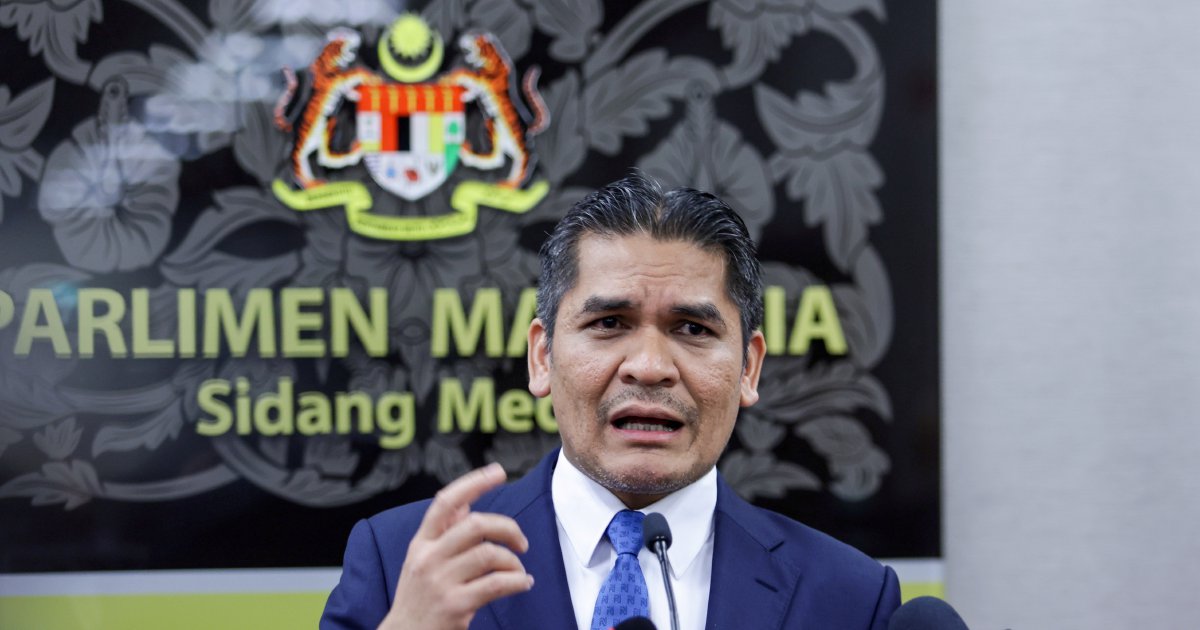
Bersatu's parliamentary contingent will not stage a walkout from this afternoon's special sitting of the Dewan Rakyat, where legislators are scheduled to deliberate on findings from the Royal Commission of Inquiry into Lembaga Tabung Haji, party vice-president Datuk Dr Radzi Jidin confirmed today.
The announcement comes at a time of heightened political sensitivity surrounding the hajj pilgrimage fund, which has been the subject of intense parliamentary and public scrutiny following revelations of financial irregularities. The RCI's final report, which is expected to detail systemic failures and possible misconduct within the institution, carries significant implications not just for the management of the fund but also for the credibility of Malaysia's major national institutions entrusted with managing the savings of over two million Muslim Malaysians.
The decision by Bersatu to participate fully in the proceedings signals the party's commitment to engaging with parliamentary oversight mechanisms, despite the politically charged nature of the inquiry. As a coalition partner within the current government framework, Bersatu's participation is crucial to demonstrating unity and seriousness regarding the investigation into an institution that holds the life savings of pilgrims and their families.
Tabung Haji, officially known as Lembaga Tabung Haji, functions as the world's largest Islamic pilgrimage fund manager, with a mandate to help Malaysian Muslims save for and undertake the hajj pilgrimage to Mecca. The institution has traditionally commanded substantial public trust and has been deeply embedded in Malaysia's Islamic financial ecosystem. However, the past few years have seen mounting concerns about investment decisions, governance lapses, and the overall management of accumulated funds that represent the accumulated devotion and savings of millions of ordinary Malaysians.
The RCI was established to provide a comprehensive investigation into these governance failures and to recommend systemic reforms. The inquiry's eventual report is anticipated to be thorough in documenting how mismanagement occurred and identifying accountability measures. For parliamentary deliberation on such findings to proceed without political theatre or boycotts is essential for maintaining public confidence that the investigation process has genuine teeth and that all parties view institutional accountability as a shared responsibility.
In the Southeast Asian context, Malaysia's handling of this inquiry serves as a bellwether for how the region's major economies manage institutional governance crises. The manner in which parliament addresses the RCI findings will be closely observed by investors, civil society organisations, and other Muslim-majority nations that operate similar pilgrimage funds or heritage Islamic financial institutions.
Bersatu's confirmation of participation also reflects the broader political dynamics within Malaysia's current coalition government. While individual parties occasionally engage in parliamentary tactics that include boycotts or strategic absences, decisions regarding major institutional accountability exercises tend to require higher-order consensus, particularly when they involve nationwide institutions like Tabung Haji that transcend partisan political boundaries.
The special sitting has been scheduled precisely to ensure that parliament dedicates adequate time to thorough discussion of the RCI report without the time constraints that would apply during regular parliamentary sessions. This procedural decision itself underscores the gravity with which parliamentary leadership views the need for detailed deliberation on the findings and recommendations.
For the average Malaysian pilgrim who has entrusted their savings to Tabung Haji, the full parliamentary engagement with the RCI report offers at least some assurance that their contributions are being treated as a matter of national concern worthy of legislative attention. The presence of all parliamentary voices, including Bersatu, in these discussions provides a more comprehensive forum for examining what went wrong and what remedial measures should be implemented.
The RCI investigation itself required extensive time and resources to complete, with the commission examining decades of financial records, investment decisions, and administrative processes. The resulting report presumably contains detailed findings that parliament must now carefully weigh and discuss before deciding on next steps, whether these involve legal action against individuals, institutional reforms, or enhanced regulatory oversight.
Moving forward, the parliamentary sitting will establish a critical juncture for how Malaysian institutions respond to major governance failures. The absence of any major party from these deliberations could have been interpreted as either tacit acceptance of findings or disagreement with the investigation's conclusions. By committing to full participation, Bersatu and presumably other coalition partners are signalling acceptance that institutional accountability matters more than short-term political positioning.

