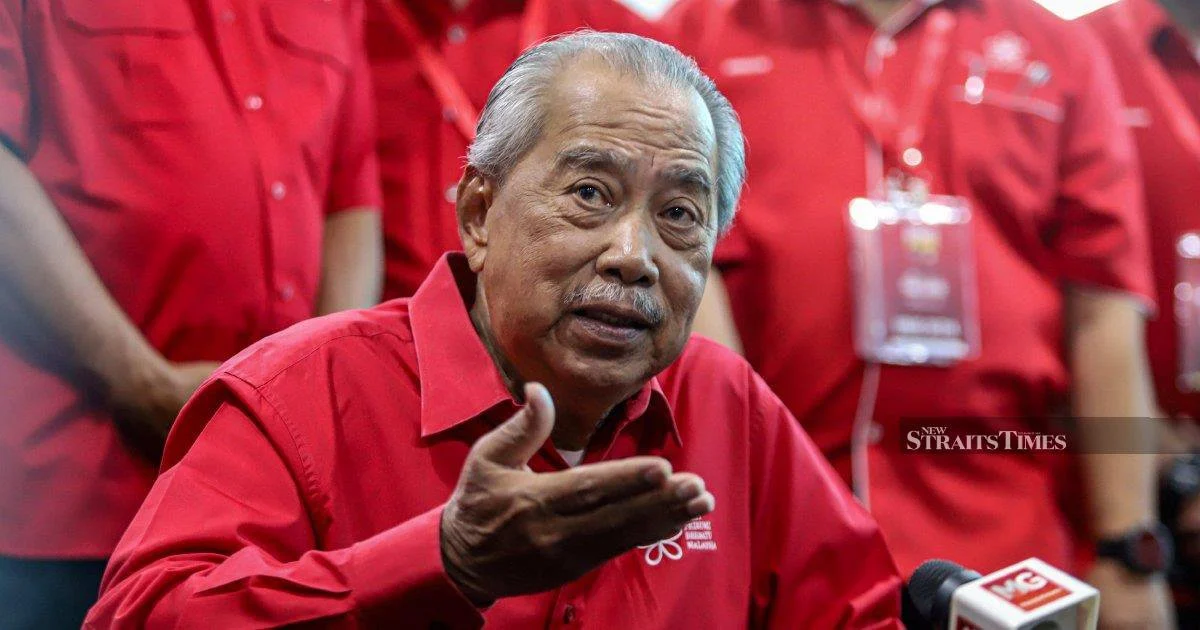
Petaling Jaya-based Bersatu has publicly expressed disappointment over PAS's unilateral approach to conducting political discussions with Barisan Nasional, criticising the Islamist party for moving forward with negotiations without first consulting other members of the Perikatan Nasional coalition. The reproach underscores growing friction within the opposition alliance as the Negri Sembilan state election looms on the horizon, with coalition partners increasingly at odds over strategy and decision-making procedures.
The dispute reflects a fundamental disagreement over how decisions should be made within the PN framework. As the second-largest party in the coalition after PAS, Bersatu has taken the position that all component members should have a voice in major political moves that affect the entire alliance. By proceeding with bilateral talks with BN without convening broader coalition discussions, PAS appears to have sidestepped established protocols, a move that Bersatu views as undermining the collective decision-making structure that should govern PN affairs.
This rupture between the two parties is particularly significant given their shared history. Bersatu and PAS formed the backbone of PN when it emerged as a political force during the 2022 general election and subsequent federal government formation. Yet cracks in their alliance have become increasingly visible over the past year, with disagreements ranging from ideological direction to tactical positioning in different state contests. The current spat suggests these underlying tensions are intensifying rather than resolving.
The Negri Sembilan election serves as an immediate flashpoint for these broader coalition disagreements. The state has historically been competitive between major political blocs, and how PN presents itself—unified or fractured—will likely influence voter perception and ultimately electoral outcomes. If component parties are seen squabbling publicly, it may damage PN's credibility as a cohesive alternative to BN or the federal government coalition. Conversely, BN's willingness to negotiate with PAS separately creates an opportunity for the ruling coalition to drive wedges between PN partners and potentially peel away support.
Bersatu's public criticism also signals that it will not be sidelined in strategic decisions. The party, which contains significant Malay-Muslim demographics and holds representation across multiple states, maintains considerable influence within PN. By vocally objecting to PAS's independent approach, Bersatu is asserting its right to be consulted on matters that could reshape the political landscape in Negri Sembilan and beyond. This posturing may also be designed to signal to party members and supporters that Bersatu remains a forceful voice within the coalition rather than a junior partner.
The nature of PAS's negotiations with BN remains somewhat opaque from public statements, but the discussions likely involve seat allocations, candidate selection, and possibly electoral cooperation arrangements for the Negri Sembilan state assembly election. Such discussions are material to PN's overall strategy, as they determine how the opposition coalition's resources and political capital are deployed. If PAS has secured favourable terms for itself while leaving other PN members in a weaker negotiating position, that would amplify Bersatu's grievances and suggest a pattern of PAS pursuing narrow party interests over coalition solidarity.
For Malaysian political observers, this development reflects a broader challenge facing opposition alliances in the post-2022 era. Neither PN nor the earlier Pakatan Harapan coalitions have managed to establish robust institutional frameworks for consensus-building and dispute resolution. When tensions arise between coalition partners, there are few mechanisms to mediate differences or enforce collective discipline. This structural weakness has repeatedly undermined opposition effectiveness and allowed the federal government to exploit internal divisions.
The timing is also worth noting. With the Negri Sembilan election approaching, both PN and BN will be in campaign mode, making public disputes costly for all parties involved. Voters typically punish disunited coalitions, preferring to support organisations that appear capable and organised. Bersatu's willingness to air grievances publicly, rather than resolving them through private channels, suggests either that internal communication has broken down entirely or that the party calculates greater damage from staying silent than from confronting PAS openly.
Looking at the broader Southeast Asian context, coalition fragility remains a recurring problem across the region's electoral democracies. Thailand, Indonesia, and the Philippines have all experienced opposition alliances collapse under internal pressure, often at critical moments. Malaysia's PN faces a similar challenge: maintaining coalition coherence while allowing member parties sufficient autonomy to pursue their own interests and maintain distinct party identities. Striking this balance appears increasingly difficult for PN, particularly as different parties eye different political opportunities in different states.
Bersatu's intervention also raises questions about PAS's trajectory within PN. The party appears to be treating BN negotiations as a separate track, suggesting it may be hedging its bets and keeping options open for different political alignments in different contexts. This multi-directional positioning could eventually force a reckoning within PN about whether the coalition remains viable as a unified political vehicle. If PAS is simultaneously negotiating with BN while remaining nominally within PN, the coalition's coherence as a distinct political force becomes questionable.
The coming weeks will reveal whether this dispute can be contained through private reconciliation between party leaders or whether it will escalate into a more serious rupture. The Negri Sembilan election result itself will also influence how this conflict evolves. A strong PN performance might paper over current divisions, while a weak showing could trigger deeper recriminations and accelerate the coalition's fragmentation. Regardless of that outcome, Bersatu's public criticism signals that PN's internal dynamics remain unsettled and unstable.

