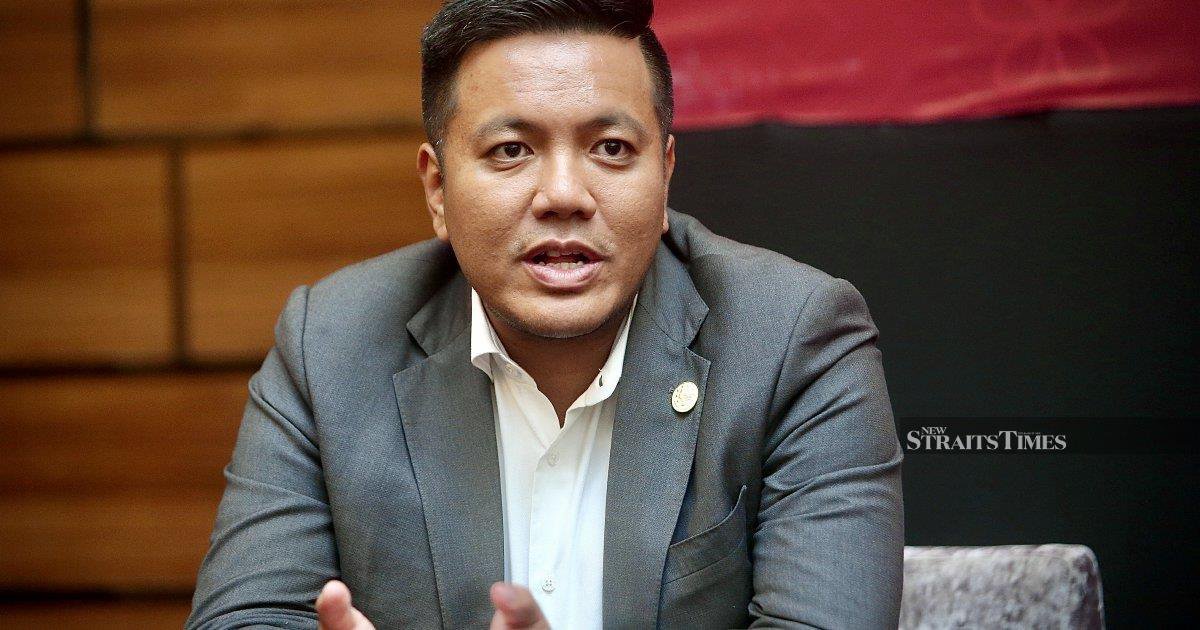
Bersatu has intensified scrutiny around the Tabung Haji governance crisis by calling on the institution's former chairman Datuk Seri Abdul Azeez Abdul Rahim to publicly disclose whether he has been approached by the Malaysian Anti-Corruption Commission regarding revelations from the Royal Commission of Inquiry into the embattled fund manager.
The political manoeuvre reflects deepening concerns within the coalition about accountability mechanisms surrounding the pilgrimage savings institution, which has faced mounting questions about fund management and governance lapses. By demanding transparency from Azeez about any potential MACC engagement, Bersatu is positioning itself as vigilant over anti-corruption enforcement and institutional oversight—a critical posture given the sensitivity of Tabung Haji matters among Malaysia's Muslim majority population who contribute to the fund for their hajj expenses.
The Royal Commission's investigation into Tabung Haji has unearthed significant governance concerns requiring clarification from senior management figures who held leadership positions during the periods under scrutiny. The inquiry process itself signals the scale of issues identified within the institution's operations, touching on financial management, investment decisions, and compliance with regulatory frameworks designed to protect contributors' savings.
Azeez's tenure as chairman placed him at the centre of several strategic and operational decisions that the RCI has evidently examined. Whether the MACC has initiated formal investigative procedures based on the Commission's findings remains unclear, making Bersatu's demand for public clarification strategically important. Such transparency would either confirm that authorities are pursuing enforcement action or clarify the status of potential cases emerging from the inquiry.
The timing of Bersatu's statement reflects the political dynamics surrounding Tabung Haji accountability. The institution's credibility depends substantially on public confidence that governance failures will be addressed through appropriate channels. When senior officials' involvement with potential violations remains ambiguous, it creates space for public concern and political criticism, particularly from coalition partners seeking to demonstrate their commitment to anti-corruption principles.
MACC's engagement with individuals implicated in RCI findings carries significant implications for how Malaysia's anti-corruption framework addresses institutional failures. The Commission has prosecuted numerous cases involving government-linked companies and statutory bodies, establishing patterns of enforcement that signal institutional accountability expectations. Whether the Tabung Haji inquiry translates into formal MACC investigations will demonstrate the practical consequences of governance lapses at major national institutions.
For Malaysian pilgrims and Tabung Haji contributors, clarity about investigative outcomes directly affects institutional confidence. The fund manages vast sums accumulated by ordinary Malaysians for their religious obligations, making governance integrity a matter of personal financial security. Public knowledge that potential violations are being properly investigated by competent authorities provides assurance that systemic weaknesses are being remedied rather than overlooked.
Bersatu's position within the governing coalition potentially influences how these accountability mechanisms operate. As a coalition member with its own political interests, the party's public pressure on former officials demonstrates an attempt to assert governance vigilance while potentially shaping how authorities respond to RCI findings. This dynamic illustrates the intersection between formal investigative processes and political accountability in Malaysia's anti-corruption framework.
The broader context involves sustained questions about Tabung Haji's investment strategies, particularly regarding real estate holdings and financial performance during challenging market conditions. The RCI's examination likely touched on decision-making processes that influenced the fund's asset allocation, reserve management, and exposure to various risk factors. Whether these decisions involved negligence, conflicts of interest, or violations of fiduciary obligations represents the core investigative terrain that MACC may now be exploring.
Regional observers note that Southeast Asian governments increasingly face scrutiny around governance at sovereign wealth funds and pilgrimage-related institutions. Malaysia's handling of the Tabung Haji situation influences broader regional perceptions about institutional accountability and the effectiveness of anti-corruption mechanisms. Transparent engagement with RCI findings through formal investigation demonstrates institutional maturity and reinforces confidence in Malaysia's governance standards.
The demand for Azeez's public clarification also reflects procedural transparency expectations that have evolved in Malaysian governance discourse. Officials facing potential MACC investigation based on official inquiry findings increasingly face pressure to publicly acknowledge such contact rather than allowing uncertainty to persist. This transparency principle applies pressure on authorities to complete investigations expeditiously while maintaining appropriate procedural confidentiality.
Moving forward, the resolution of MACC's engagement with RCI findings will significantly shape Tabung Haji's institutional recovery. Whether investigations proceed against former management represents a watershed moment for governance accountability at major national institutions. Bersatu's intervention suggests that coalition members are closely monitoring how thoroughly authorities pursue potential violations identified through the Royal Commission process.

