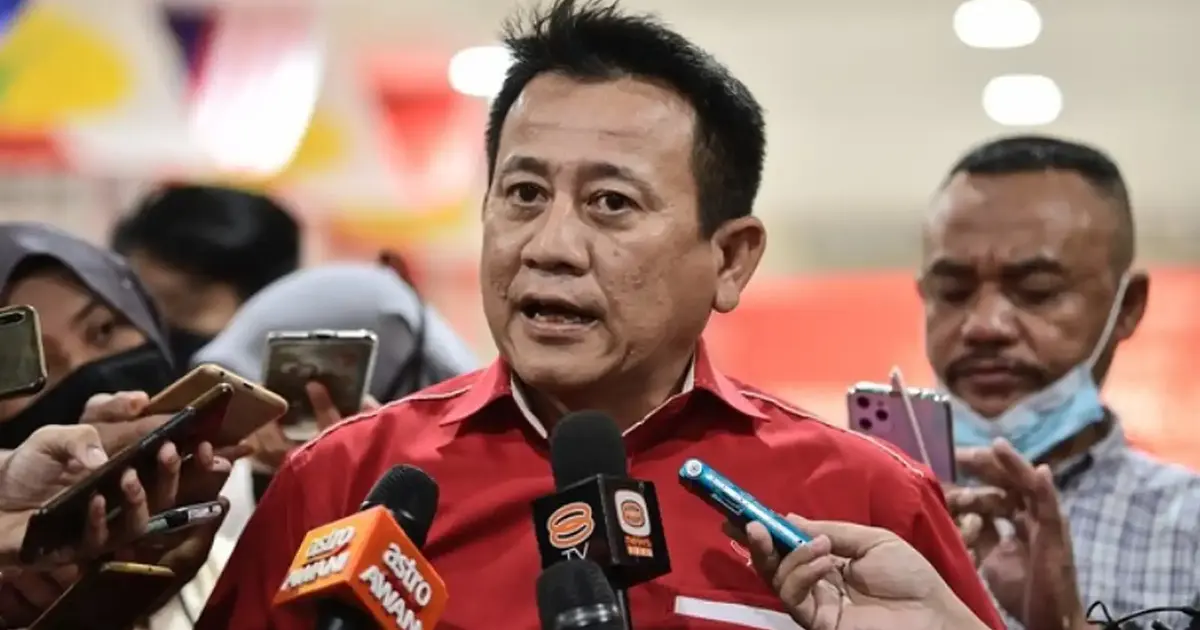
Bersatu has stepped back from accusations that it obstructed Pejuang's entry into the Perikatan Nasional coalition, with party information chief Tun Faisal Ismail Aziz providing clarification on which organisation actually drew the party's opposition. The statement represents an attempt to defuse growing tensions within PN's leadership ranks following weeks of speculation about membership applications and internal decision-making processes.
Tun Faisal distinguished between two separate entities seeking closer alignment with the coalition, emphasising that Bersatu's reservations were specifically directed at Parti Wawasan Negara rather than Pejuang. This distinction carries significant weight within coalition politics, where perceptions of fairness and equal treatment among member parties have become increasingly fragile. The clarification suggests that internal communications may have been misinterpreted or selectively reported as the row unfolded across media platforms and political circles.
The denial comes amid broader discussions within PN about the coalition's future direction and membership criteria. Since Perikatan Nasional's formation, member parties have grappled with defining clear parameters for admitting new political organisations. Each application theoretically requires consensus, yet practical implementation has proven contentious as parties weigh strategic benefits against concerns about diluting their collective influence. Bersatu, as one of the coalition's founding members, holds considerable sway in such deliberations.
Tun Faisal's intervention underscores deeper anxieties about how coalition decisions are made and communicated. When membership discussions become public through leaked information or partial narratives, they invariably damage inter-party relationships and create opportunities for misrepresentation. The current situation exemplifies this dynamic, with different factions apparently holding conflicting accounts of what transpired in closed-door meetings.
Parti Wawasan Negara, the organisation at the centre of Bersatu's concern, represents a different profile from Pejuang. Understanding the rationale behind Bersatu's opposition requires examining what specific characteristics or political positioning triggered the party's caution. Coalition leaders typically resist membership applications when they perceive potential for internal friction, competition for grassroots support, or ideological divergence from established party lines. The concern about triggering internal conflict, as referenced in Tun Faisal's statement, provides a crucial window into Bersatu's strategic calculus.
For Malaysian political observers, these developments reflect the ongoing fragility of opposition and extra-governmental coalitions in the country's political landscape. Unlike formal government coalitions backed by constitutional frameworks and ministerial positions, coalitions like PN operate on mutual agreement and shared interests. This structural weakness means that disputes over membership, resource allocation, and policy direction can rapidly escalate into threats of withdrawal or realignment. Recent months have witnessed several instances where member parties threatened to leave or restructure their coalition affiliations.
The timing of this clarification matters considerably within the broader political calendar. With elections potentially approaching and Perikatan Nasional positioning itself as a major force in national politics, internal cohesion becomes paramount. External stakeholders, particularly voters evaluating coalition viability, scrutinise how well member parties manage disagreements and maintain unity. Persistent public disputes over administrative matters like membership applications risk undermining confidence in the coalition's maturity and decision-making capacity.
Regionally, the dynamics unfolding within PN hold implications for how Southeast Asian opposition coalitions function more broadly. Malaysia's experience with multi-party coalitions provides instructive lessons for neighbouring countries grappling with similar organisational challenges. The mechanisms by which coalitions establish governance structures, resolve internal disputes, and accommodate new members directly influence their longevity and electoral competitiveness. Bersatu's approach to these matters contributes to a broader conversation about best practices in coalition management.
Looking forward, Perikatan Nasional would benefit from establishing clearer, more transparent procedures for evaluating membership applications. Formalised criteria and documented decision-making processes could reduce the misunderstandings currently plaguing the coalition. When parties operate according to mutually agreed principles rather than ad-hoc judgments, they create institutional memory and reduce suspicions of arbitrary treatment. This institutional strengthening represents a logical next step for PN's development.
The resolution of this particular dispute likely hinges on whether coalition leaders can collectively articulate their position on Parti Wawasan Negara's application. If Bersatu's concerns gain explicit endorsement from other member parties, the coalition can move beyond the current impasse. Conversely, if divisions persist over this decision, the episode may foreshadow more serious fractures to come. Either way, Tun Faisal's clarification marks an important moment in how PN manages its internal contradictions and communicates its collective position to the Malaysian public.