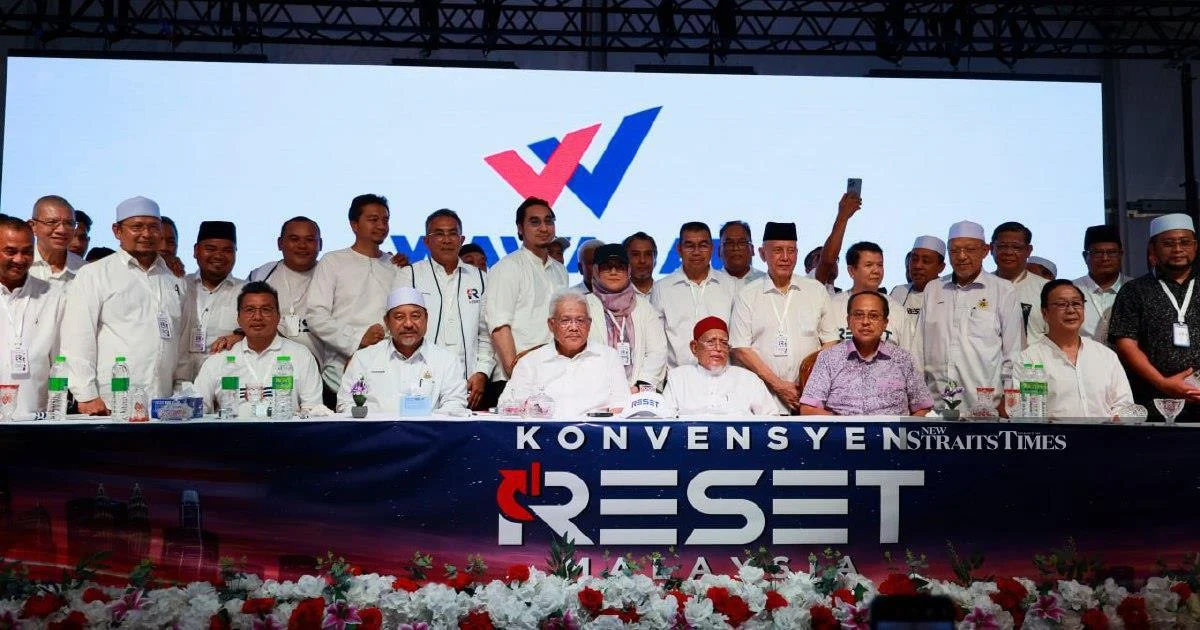
Perikatan Nasional faces an internal credibility crisis after Bersatu questioned the legitimacy of a hastily convened Supreme Council emergency session that greenlit the admission of Wawasan into the opposition coalition. The dispute underscores growing tensions within PN's leadership ranks and raises questions about governance standards in Malaysian political alliances.
Bersatu's challenge centers on whether proper notice and procedural safeguards were observed when PN's chairman called the emergency meeting on Monday night. In Malaysian political tradition, coalition decisions of this magnitude typically require advance notice to member parties and adherence to constitutional protocols. The compressed timeline for convening the gathering and the absence of standard procedural steps have prompted Bersatu to lodge formal objections, suggesting the admission may lack legal foundation.
The Wawasan admission represents a strategic move intended to strengthen PN's parliamentary position and broaden its ideological appeal ahead of crucial political developments. However, the rushed manner in which it was shepherded through the approval process has backfired, creating the appearance of unilateral decision-making by the chairman rather than genuine coalition consensus. This perception damage may prove more consequential than the actual admission itself.
Bersatu's objections reflect deeper anxieties about power concentration within PN's leadership structure. As a significant member party commanding considerable parliamentary seats and grassroots organization, Bersatu views such procedural shortcuts as a threat to the coalition's collective decision-making framework. The party's willingness to publicly challenge the chairman signals it will not passively accept decisions that marginalize its voice in coalition affairs.
The timing of this dispute carries particular significance for Malaysian politics. PN emerged as an alternative political force partly by positioning itself as more disciplined and principled than its rivals. Allegations of procedural irregularities and autocratic decision-making undermine that carefully constructed brand and provide ammunition to critics who question PN's fitness for governance. The credibility question extends beyond PN's internal operations to perceptions of how the coalition would manage national institutions.
Wawasan's entry into PN was intended to consolidate opposition strength and present a unified front against the incumbent coalition. The admission of new political entities into opposition alliances typically reflects strategic calculations about electoral advantage or ideological alignment. However, legitimate concerns about proper procedure cannot be dismissed as procedural pedantry—coalition governance must balance decisive action with respect for member autonomy and democratic principles.
The legal framework governing PN's constitution and decision-making procedures will now come under scrutiny. If Bersatu can demonstrate that the chairman violated established protocols, the admission's validity could be challenged in PN's internal dispute mechanisms or potentially in broader political forums. Such challenges, even if ultimately unsuccessful, can delegitimize decisions and erode member party confidence.
For Malaysian observers, the PN episode illustrates how opposition coalitions struggle with governance challenges that mirror those of ruling administrations. Building effective political alliances requires balancing the interests of diverse member parties with the need for swift decision-making. PN's stumble suggests that rushed processes, regardless of their strategic merit, breed resentment and instability that can undermine coalition cohesion.
Bersatu's standing in PN remains significant enough that its objections cannot be easily dismissed. The party's influence extends into state governments and comprises experienced political operators. A chairman who ignores such concerns risks deepening factional divisions and potentially triggering defections that could weaken PN's parliamentary arithmetic. The challenge therefore forces PN to reckon with internal power dynamics that extend far beyond a single admission decision.
The dispute also resonates with Southeast Asian coalition politics more broadly, where opposition alliances frequently navigate tensions between powerful member parties with competing agendas. Malaysia's experience offers instructive lessons about the institutional design and consensual norms required to sustain multi-party political formations. Without clear procedures and genuine respect for member party prerogatives, coalitions become vehicles for dominant leaders rather than genuine political partnerships.
Moving forward, PN faces pressure to clarify its decision-making procedures and perhaps undertake governance reforms that restore member party confidence. Whether this internal dispute strengthens PN by forcing necessary institutional evolution or weakens it through prolonged acrimony depends on how leadership responds to legitimate procedural concerns. The resolution will test whether PN can learn from this crisis or whether such disputes presage deeper structural fragility.