The Malaysian National News Agency (Bernama) has validated its organisational prowess through the successful execution of the National Journalists' Day (HAWANA) 2026 Grand Finale, held at PICCA Convention Centre @ Butterworth Arena in Penang. The event, which concluded today, showcased the institution's ability to marshal internal resources effectively for a major gathering that drew approximately 1,000 media professionals from across Malaysia and neighbouring ASEAN nations. The occasion served as tangible evidence that a government agency can leverage its own talent pool and technical capabilities to deliver a complex, high-profile event without extensive external contracting.
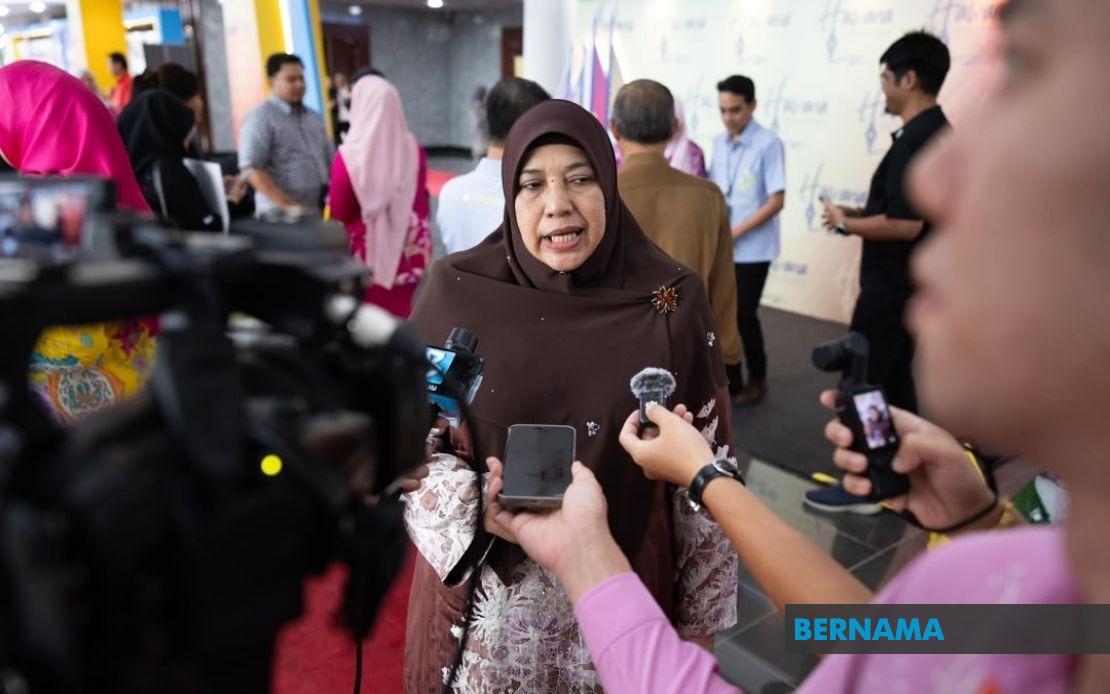
Bernama chief executive officer Datin Paduka Nur-ul Afida Kamaludin underscored the achievement by highlighting the dedication of staff who served on various sub-committees coordinating the event. Her remarks reflected a deliberate strategy to demonstrate institutional competence and build confidence in Bernama's administrative capabilities among both government stakeholders and the media industry. The CEO's emphasis on internal coordination signals a potential shift towards greater reliance on in-house expertise for future national events, an approach that carries implications for how government agencies allocate budgets and manage procurement processes.
A particularly noteworthy accomplishment was Bernama's maiden foray into producing a complete live broadcast entirely through in-house resources. This technical milestone extended beyond mere transmission logistics to encompass the creative dimensions of event production. The agency's personnel handled artificial intelligence-driven video production, designed promotional posters, and created layouts without outsourcing to external production companies. Such comprehensive internal management of multimedia content production suggests that government news agencies in the region are evolving their technical capabilities to compete with private media organisations in content creation and digital distribution.
The decision to undertake all planning internally reflects broader conversations within Malaysian government agencies about optimising operational efficiency and reducing dependence on external vendors. By demonstrating that a single agency could orchestrate every dimension of a thousand-person gathering, from logistical coordination to high-definition broadcast production, Bernama has positioned itself as a model for other government institutions considering similar in-house capability development. The success also carries budgetary implications, potentially reducing costs associated with hiring specialized contractors for event management, video production, and graphic design services.
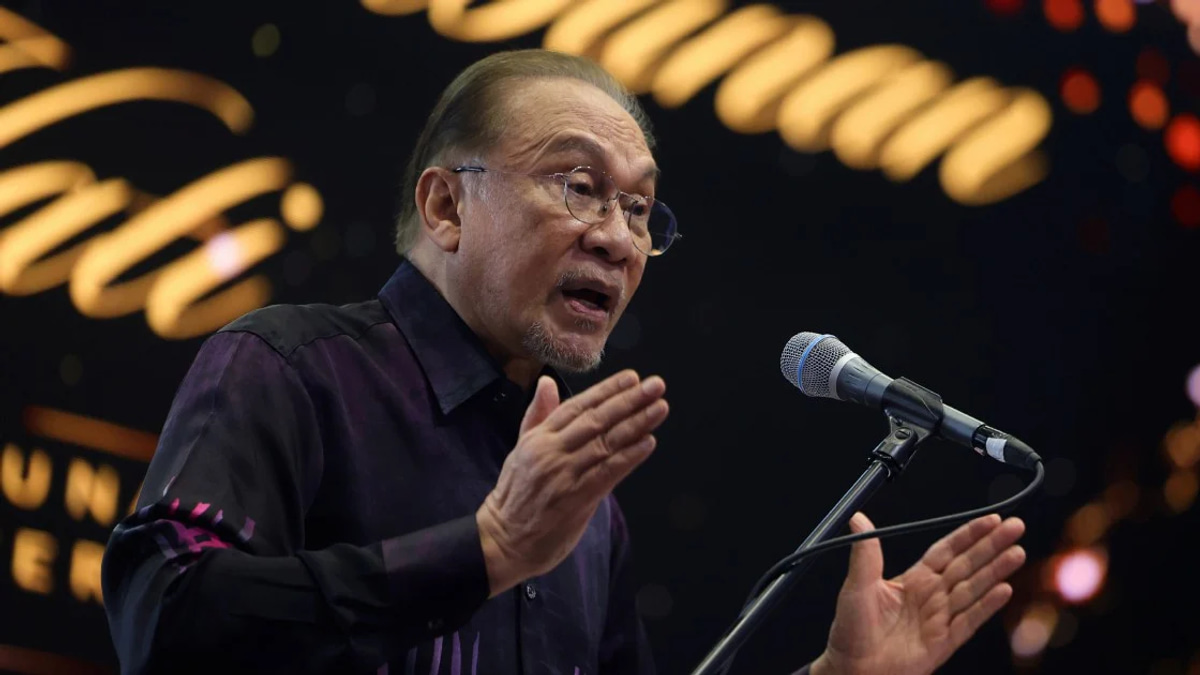
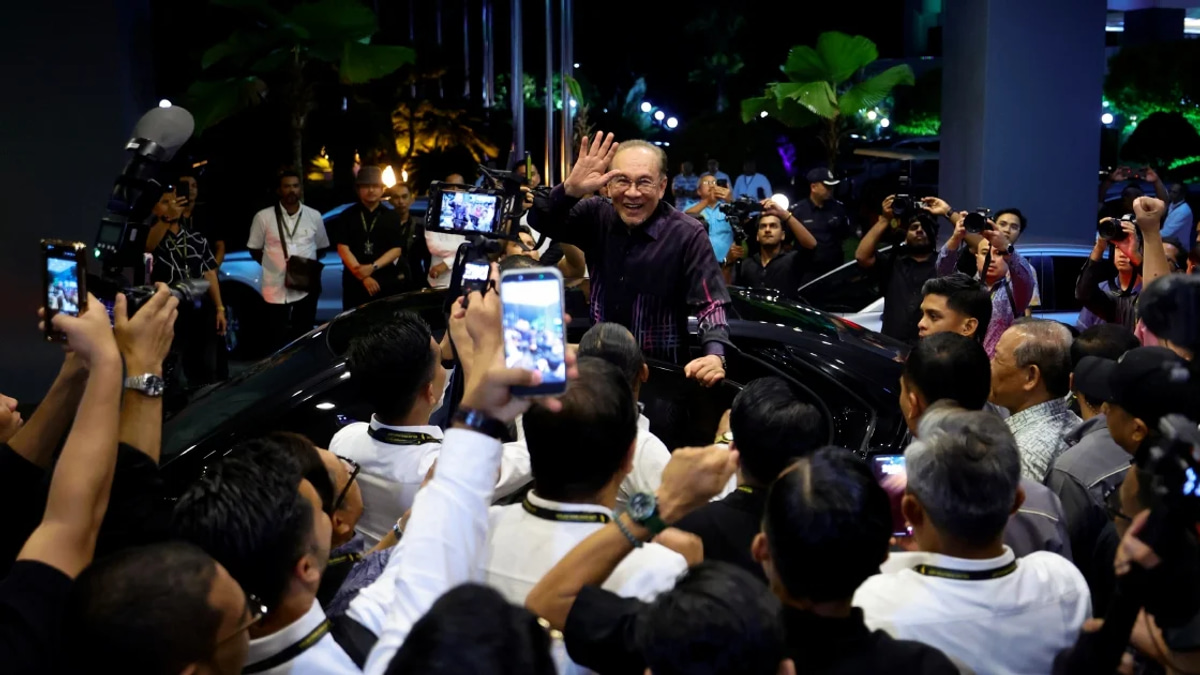
The HAWANA 2026 edition carried the thematic focus of "Media Integrity Strengthens Credibility," a particularly resonant topic given ongoing global concerns about misinformation and the erosion of public trust in news media. By centring this year's gathering on such substantive issues, the event transcended mere ceremonial function to engage journalists in meaningful discourse about their professional responsibilities. The attendance of Prime Minister Datuk Seri Anwar Ibrahim, Penang Chief Minister Chow Kon Yeow, and Communications Minister Datuk Fahmi Fadzil underscored governmental commitment to supporting professional journalism and recognising the importance of the media fraternity's annual convocation.
The robust participation from other ASEAN countries signals that HAWANA has acquired standing as a regional journalism forum, not merely a domestic gathering. This development reflects Southeast Asia's growing recognition of shared challenges in media sustainability, journalistic standards, and combating coordinated disinformation campaigns. For Malaysian media practitioners, the international dimension provides exposure to colleagues grappling with similar professional dilemmas across borders, fostering networks that can facilitate cross-border journalism projects and knowledge exchange on best practices for maintaining editorial integrity.
Nur-ul Afida articulated plans to rotate future HAWANA celebrations across different Malaysian states, a strategic decision that distributes the prestige of hosting the event and creates opportunities for media professionals to engage with regional contexts beyond Kuala Lumpur. This approach acknowledges that rotating venues strengthens ties between the national media establishment and provincial journalists while simultaneously introducing participants to different state administrations and local media ecosystems. For Penang, the selection as host for the 2026 edition provided a platform to showcase its media infrastructure and reinforce its status as a significant media hub within Malaysia.
The positive reception from participating media practitioners has already generated enquiries regarding next year's host state, indicating sustained momentum and interest in HAWANA as an institutional anchor within the journalism calendar. Such enthusiasm reflects the event's success in fulfilling its fundamental purpose as a gathering mechanism that strengthens professional bonds and provides forums for addressing industry-wide challenges. The sustained interest also validates the substantial investment of time and resources that Bernama dedicates to the event's organisation.
Bernama's tenure as implementing agency for HAWANA has now extended across six consecutive years, positioning the news agency as the institutional custodian of this significant annual convocation. The agency's leadership has signalled its expectation and hope that the Communications Ministry will continue entrusting Bernama with this responsibility. This institutional stability allows for continuity in event planning philosophy and enables Bernama to refine its organisational processes year after year, accumulating operational experience that translates into increasingly polished and efficiently managed gatherings. For the ministry, consistent delegation of HAWANA implementation to Bernama has created an established pattern that provides budgetary predictability and reduces the administrative burden of seeking alternative implementing agencies annually.
The technical achievements demonstrated through the 2026 edition, particularly the in-house broadcast production, position Bernama as an emerging capability centre within Malaysia's media infrastructure. These competencies could potentially be leveraged for other government communications initiatives requiring multimedia production and event management expertise. The successful deployment of artificial intelligence in video production suggests that Bernama is actively integrating emerging technologies into its operational framework, maintaining relevance in an increasingly digital media landscape while developing institutional knowledge about AI implementation that could benefit other government agencies exploring similar technological adoption.
Looking forward, the momentum established through HAWANA 2026 creates opportunities for Bernama to expand its reputation as an effective event management institution within government circles. The success provides political capital that could facilitate discussions about expanding Bernama's role in organising other ministerial or inter-agency events requiring professional coordination and multimedia support. For Malaysian journalists, the HAWANA platform will continue serving as an essential professional gathering space where practitioners can network, engage with policy makers, and collectively advance discussions about maintaining journalism's credibility and social utility in an era of technological disruption and information fragmentation.