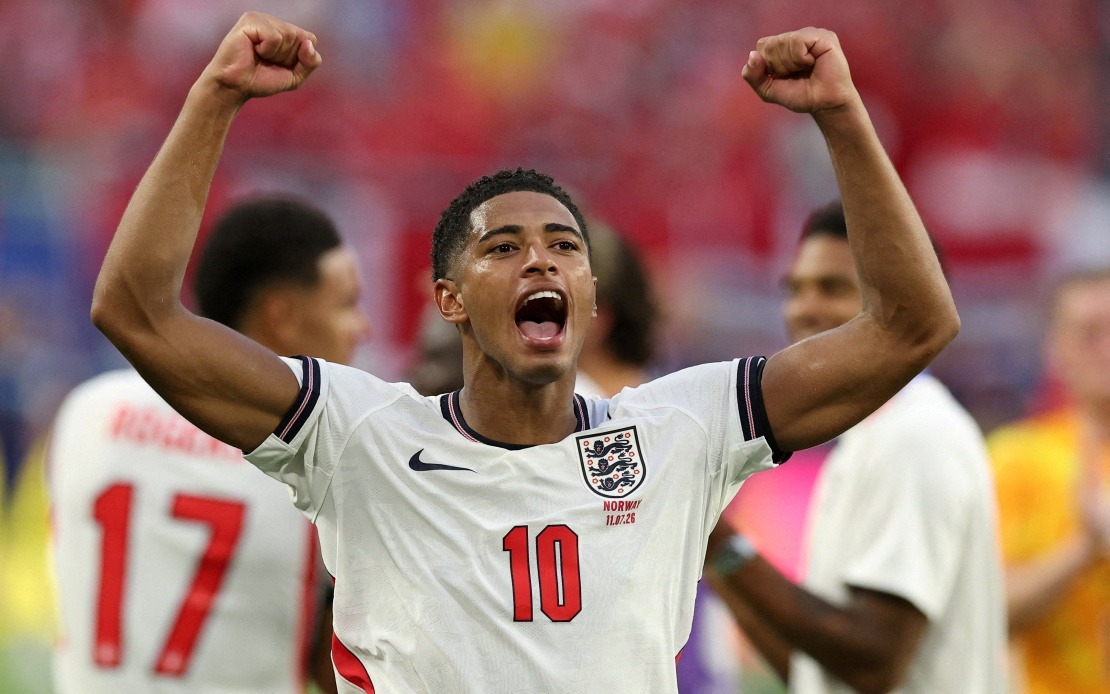
England's progression to the semi-finals of the 2026 FIFA World Cup came through a dramatic turnaround in Miami on Saturday, with Real Madrid midfielder Jude Bellingham proving to be the decisive figure in a 2-1 win over Norway after extra time. The victory represents a significant milestone for Thomas Tuchel's side, who will now seek to build on their successful campaign as they prepare for the next stage of the tournament. The semi-final berth marks only the fourth time in England's modern competitive history that the nation has reached such an advanced stage, underlining the growing consistency of the team under their German manager's stewardship.
The match unfolded as a classic quarter-final encounter, with Norway capitalising on early dominance to seize control through Andreas Schjelderup's well-executed finish in the 36th minute. The Norwegian striker's effort demonstrated clinical finishing, catching England's goalkeeper Jordan Pickford out of position and putting the Scandinavian nation in the driving seat. For much of the opening period, Norway's tactical discipline and direct approach appeared to be yielding dividends, suggesting a genuine threat to England's tournament ambitions. The setback forced Tuchel to recalibrate his team's approach, triggering a shift that would ultimately prove decisive in determining the outcome.
Bellingham's equaliser came at a crucial juncture, arriving during the closing moments of the first half after he latched onto Anthony Gordon's incisive pass. The midfielder's movement into the penalty area created the necessary space to deliver a composed finish, demonstrating the technical quality that has made him one of Europe's most sought-after players since his move to the Spanish capital. This goal represented far more than a mere statistic; it shifted the momentum decisively in England's favour and provided the psychological boost necessary to dominate the remainder of the contest. The timing of the strike, arriving just as Norway appeared to be consolidating their advantage, exemplified how pivotal moments in cup football can rapidly alter the trajectory of matches.
The second half witnessed England's attacking prowess come to the fore, though Norway came perilously close to restoring their lead during a spell of intense pressure. Erling Haaland's downward header in the 53rd minute presented a genuine opportunity for the visitors to retake the lead, but Pickford's reflexive save proved crucial in keeping the scores level. Two minutes later, the officials were forced to intervene when Torbjorn Heggem appeared to score from close range following a poorly defended corner. However, a Video Assistant Referee review determined that Haaland had committed a pushing offence in the build-up, negating what would have been a controversial go-ahead goal. This decision highlighted the continued importance of VAR technology in ensuring fair outcomes, though it also underscored how marginal interventions can prove decisive.
With neither side able to manufacture a decisive moment during the standard 90 minutes, the contest moved into extra time, where Bellingham demonstrated his temperament under pressure. His second goal, arriving in the 93rd minute, came after Morgan Rogers' powerful effort from outside the penalty area had forced Norwegian goalkeeper Orjan Nyland into a parrying motion. Bellingham's anticipation and positioning allowed him to react fastest to the rebound, sliding the ball into the net with clinical precision to send England into rapturous celebration. The moment encapsulated the midfielder's value to the team—his presence in crucial areas, combined with technical assurance in front of goal, has become a defining characteristic of this England side.
England's advancement represents the culmination of a successful campaign under Tuchel, whose appointment signalled the Football Association's commitment to sustained improvement. The team's ability to overcome adversity and secure victories when required suggests a maturity that previous England squads have occasionally lacked at major tournaments. With semi-final football now secured, the three-time European champions will face either Argentina or Switzerland, depending on the outcome of the other quarter-final clash. This fixture carries significant implications, as either opponent would present distinct tactical challenges requiring careful preparation and analysis.
The 60-year drought since England's sole World Cup triumph in 1966 has become an increasingly prominent narrative in the nation's sporting consciousness. Each advancement through tournament stages reinvigorates hopes that the current generation might finally end this extended wait and capture a second global crown. The achievement in Miami suggests that this squad possesses the necessary quality and character to challenge for the tournament's ultimate prize. Should England progress through their semi-final encounter, they would reach the final for the second time in the modern era, offering genuine prospects of silverware.
Norway's quarter-final appearance, while ultimately ending in disappointment, nonetheless represents a significant achievement in the context of their World Cup history. The Scandinavian nation's previous best performance saw them reach the round of 16 on two occasions—in 1938 and 1998—making this advancement a watershed moment in their tournament experience. The performance demonstrated that Norway possesses the tactical acumen and individual quality to compete at the highest level, even if they ultimately fell short against more experienced opposition. Manager Staale Solbakken's team showed sufficient promise to suggest that future World Cup campaigns could yield improved results.
From a Southeast Asian perspective, England's progression underscores the continuing dominance of established European and South American nations in global football competitions. The tournament structure and qualification formats continue to favour nations with deep player pools and well-developed domestic league systems. For Malaysian and regional football observers, these World Cup competitions serve as instructive examples of the standards required to compete at the absolute elite level. The intensity, tactical sophistication, and individual quality on display at the tournament's latter stages highlight the vast development gap that remains between Asian football aspirations and global competitive reality.

