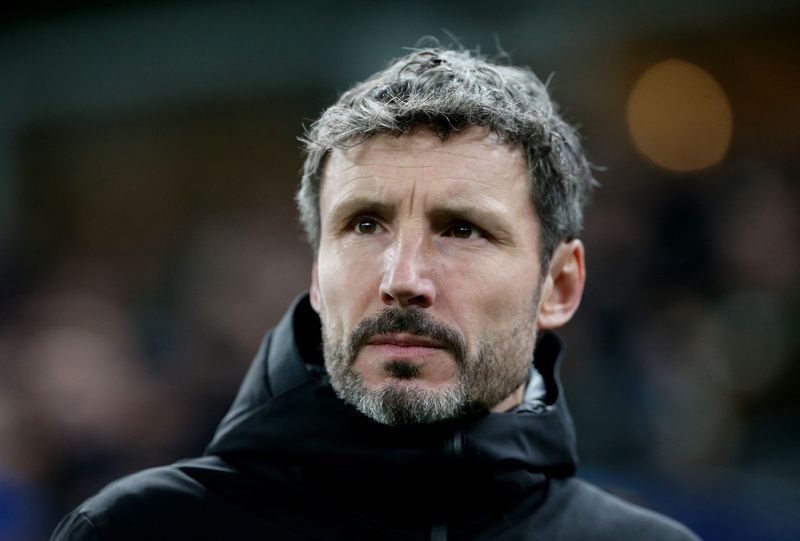
Mark van Bommel has left no room for ambiguity regarding his priorities after accepting the Belgium coaching position, explicitly ruling out any temptation to hold out for a potential opening with his native Netherlands. The 49-year-old addressed speculation about his decision during his inaugural press conference since his late-July appointment, making clear that the opportunity to lead the Belgian national team represented precisely the kind of challenge he had been seeking in his managerial career.
The former defender, who spent his playing days at elite European clubs including Barcelona, Bayern Munich, and AC Milan before representing the Dutch at the 2010 World Cup final, emphasised that international football commands a unique position in the coaching hierarchy. Van Bommel articulated the distinction between club and national team management, suggesting that while both demand excellence, the latter carries particular prestige and responsibility. His appointment followed Rudi Garcia's departure, with the Belgian federation moving swiftly to secure Van Bommel's services after Garcia's contract was not renewed following Belgium's quarter-final exit from the recent World Cup.
During questioning, Van Bommel reflected on the selective nature of elite coaching opportunities, noting that despite receiving multiple offers over the preceding two years, none had compelled him to commit until the Belgium position materialised. This measured approach to career progression contrasts sharply with the more speculative narrative some observers had constructed around his availability. He acknowledged that coaching a top-tier national team remains one of football's most coveted roles, accessible only to a limited pool of experienced practitioners, and he expressed genuine satisfaction at being chosen for such a position.
The new Belgium coach adopted a measured tone when discussing competitive ambitions, carefully balancing optimism with realism about the unpredictable nature of international football. While acknowledging that every footballer and coach harbours winning aspirations, Van Bommel cautioned against the kind of confident declarations that sometimes characterise Dutch football culture. He referenced the Dutch tendency to proclaim world championship intentions, but suggested that such pronouncements often overlook the complex variables influencing tournament outcomes. This philosophical approach may signal his intention to instil a more pragmatic mentality within the Belgian setup, focusing on incremental progress rather than grandiose predictions.
Van Bommel's immediate competitive calendar will commence with the Nations League format, providing an early testing ground for his tactical philosophy and team cohesion strategies. His competitive debut as Belgium coach is scheduled for September 25 against Italy in Rome, with subsequent matches against Turkey and France scheduled across the September-October international window. These encounters will offer valuable insights into how Van Bommel plans to rebuild squad morale and tactical organisation following the disappointment of the World Cup campaign.
A particularly thorny issue requiring Van Bommel's diplomatic attention involves goalkeeper Thibaut Courtois, who indicated following the World Cup that he intended to step back from international football. Rather than making unilateral decisions about the player's future involvement, Van Bommel has adopted a consultative approach, signalling his intention to engage in substantive conversations with Courtois before any determinations are finalised. This measured strategy suggests Van Bommel recognises the psychological complexities surrounding player retention at international level, particularly for individuals who have endured extended periods of high-pressure competition.
The new coach's openness to dialogue with Courtois reflects a broader awareness that international football management requires more than tactical acumen and technical expertise. Players at the elite level, particularly those representing nations with serious tournament aspirations, frequently grapple with mental fatigue and emotional exhaustion. Van Bommel's recognition that Courtois may revise his position once adequate rest and recovery have been completed demonstrates a nuanced understanding of athlete psychology and the importance of permitting genuine reflection before crucial decisions are finalised.
Belgium's recent World Cup performance, while respectable in reaching the quarter-finals, fell short of expectations given the squad's considerable talent depth and previous tournament success. The transition to new leadership provides an opportunity to recalibrate team dynamics and tactical approaches, potentially unlocking latent potential within the existing player pool. Van Bommel's appointment represents a significant generational shift from Garcia's tenure, and his integration of former playing experience at the game's highest levels may resonate with senior squad members seeking direction and stability.
The European Championship remains the primary target for Van Bommel's Belgium project, though immediate focus must centre on consolidating Nations League form and maintaining squad cohesion through the qualifying process. For Malaysian and Southeast Asian football followers, Van Bommel's appointment underscores broader trends in international football management, where experienced practitioners with elite playing backgrounds increasingly transition into senior coaching roles. The tactical sophistication and cultural knowledge such individuals bring can materially influence team performance and competitive trajectory across multiple tournament cycles.

