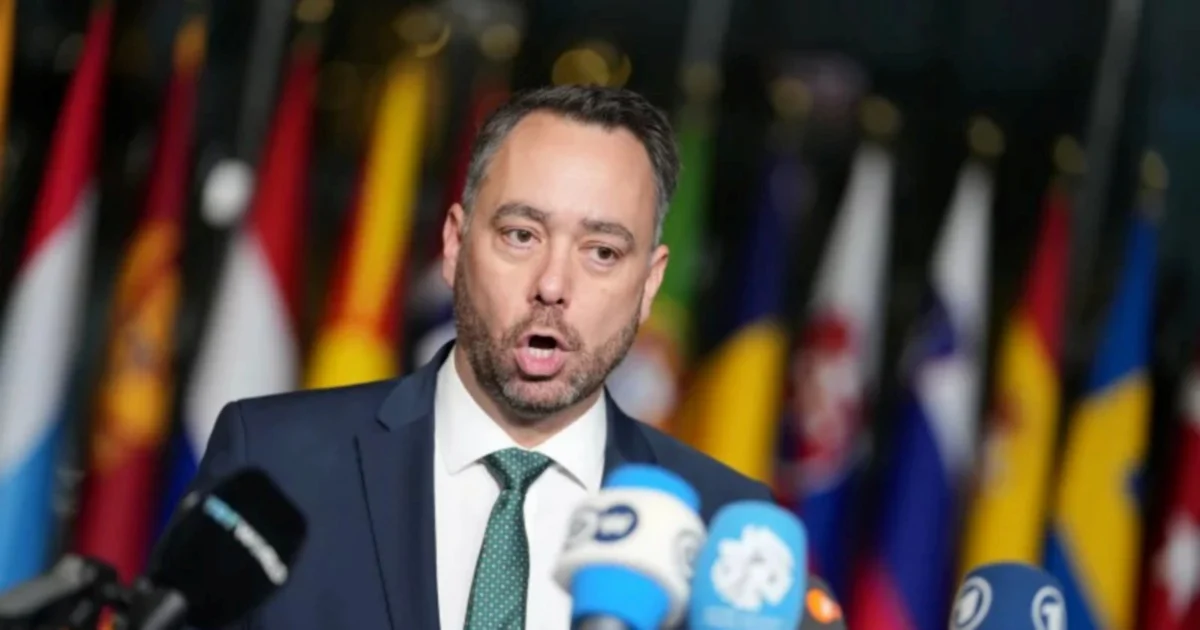
Belgium's Deputy Prime Minister and Foreign Minister Maxime Prevot is arriving in Malaysia tomorrow for a two-day working visit aimed at strengthening bilateral relations across multiple strategic sectors. The high-level mission signals growing European interest in Southeast Asia's energy transition and emerging market opportunities, particularly as the region positions itself as a critical player in the global renewable energy supply chain.
The visit reflects a broader European pivot towards securing stable partnerships in Asia for clean technology and sustainable manufacturing. As Belgium seeks to advance its own climate commitments under the European Union's Green Deal framework, engagement with Malaysia—a nation with substantial renewable energy resources and manufacturing capabilities—offers practical pathways for collaboration. The timing is significant, coming as Southeast Asian nations increasingly negotiate their own energy policies independent of traditional suppliers.
Renewable energy cooperation represents the centrepiece of discussions, addressing mutual interests in wind power, solar technology, and grid modernization. Malaysia has set ambitious targets for renewable energy capacity, aiming to achieve 31 per cent of its installed capacity from renewable sources by 2025, creating opportunities for European expertise and investment. Belgium, with decades of experience in offshore wind and integrated energy systems, can contribute technological know-how and investment frameworks that Malaysian stakeholders are actively seeking.
The rare earth elements component of the talks carries particular weight for European industrial strategy. The EU has prioritized diversifying its supply chains for critical minerals essential to batteries, renewable energy systems, and advanced manufacturing. Malaysia possesses rare earth processing capabilities and regional supply chain expertise, making it an attractive partner for European companies seeking to reduce dependency on concentrated suppliers elsewhere in Asia. This discussion may encompass investment in processing facilities, technology transfer arrangements, and long-term supply agreements.
Malaysia's halal industry dimension underscores the economic potential of certification and value-added production in Islamic consumer markets spanning over 1.8 billion people globally. Belgium, while not a primary halal producer, has developed expertise in halal certification standards, food safety protocols, and export logistics serving European Muslim populations and international markets. Belgian agricultural and pharmaceutical companies see opportunities in halal-certified products, and the visit may facilitate knowledge-sharing on standards harmonization and market access strategies that benefit both nations' export sectors.
The working visit also represents a chance for Malaysia to strengthen diplomatic ties with a senior EU official who holds significant influence over European development cooperation programming and foreign policy direction. Belgium chairs the European Union at various points and plays a notable role in EU decision-making on Asia policy. Enhanced relations with Prevot's administration can translate into improved access to European research partnerships, climate financing mechanisms, and preferential trade arrangements as the EU continues recalibrating its Asia engagement.
From Malaysia's perspective, this engagement comes as the country navigates competing partnerships with multiple global powers while pursuing its own clean energy and industrial modernization agenda. European partnerships offer an alternative to over-reliance on any single major power and provide access to advanced technologies without the geopolitical complications that sometimes accompany partnerships elsewhere. The focus on renewable energy aligns with Malaysia's stated commitment to carbon neutrality by 2050 and reflects growing investor appetite for Southeast Asian green projects.
The halal industry focus also highlights Malaysia's strategic positioning as a hub for Islamic finance, halal logistics, and certification services within the broader context of Asian economic integration. As halal standards become increasingly important in international trade, Malaysia's role in setting benchmarks and facilitating global supply chains creates opportunities for deeper cooperation with established economies like Belgium. This dimension may include discussions on halal-certified pharmaceutical production, cosmetics manufacturing, and food processing that serve both European and Asian markets.
Bilateral trade between Belgium and Malaysia, while modest in absolute terms, reflects significant potential for growth. Belgian companies operate in chemicals, machinery, and advanced manufacturing sectors with natural synergies to Malaysian industrial capabilities. The renewable energy discussion could catalyze new investment flows if both sides can establish clear frameworks for project financing, technology licensing, and joint ventures that benefit local stakeholders while advancing Belgium's strategic interests.
The visit also occurs within the context of Europe's broader strategic autonomy agenda in Asia, where the EU seeks to balance commercial interests with security concerns and geopolitical considerations. Malaysia's non-aligned foreign policy tradition and its role as a ASEAN consensus-builder make it an important interlocutor for European officials seeking to understand regional perspectives on technology governance, climate policy, and economic integration patterns. Prevot's conversations with Malaysian counterparts will likely extend beyond the three stated focus areas to touch on regional security, digital governance, and trade facilitation.
Belgian-Malaysian cooperation on renewable energy specifically offers mutual benefits in innovation and deployment. European companies can access Southeast Asian markets while Malaysian firms gain exposure to advanced technologies and investment capital. Collaborative research on tropical renewable energy systems, battery storage solutions, and grid integration could position both nations as knowledge leaders while creating commercial opportunities along the value chain.
The timing of this visit underscores the intensifying competition among developed economies to establish deeper technological and economic partnerships in Southeast Asia. As traditional suppliers lose relative influence and new players emerge, Malaysia's strategic location, technical capabilities, and market position make it a priority destination for high-level diplomatic engagement. Belgium's visit signals that even smaller European nations recognize the importance of Asia engagement as fundamental to their future economic prosperity and geopolitical relevance.
Looking forward, the outcomes of Prevot's discussions may shape Malaysia's renewable energy procurement strategies, influence sourcing decisions for advanced manufacturing sectors, and potentially establish foundations for long-term cooperation frameworks. Whether these conversations translate into concrete investments, technology partnerships, and supply chain agreements will depend on follow-up engagement and the ability of both nations' private sectors to identify mutually advantageous business models. The visit represents a beginning rather than a conclusion, opening avenues for deepening bilateral relations across sectors critical to both nations' development objectives.

