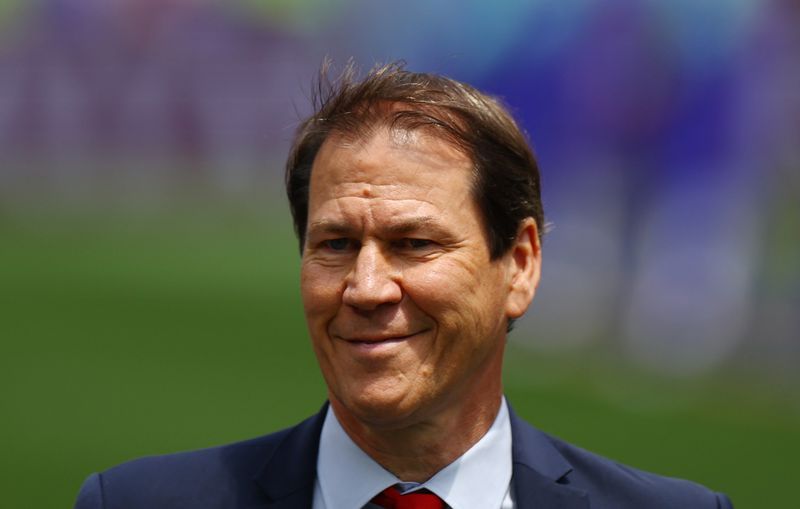
Rudi Garcia's tenure as Belgium national football coach has ended after the French manager and the Belgian football association agreed not to renew his contract, bringing his 18-month spell in charge to a close at the end of July. The announcement came as no surprise given the turbulent nature of Belgium's World Cup campaign, which saw the team reach the quarter-finals only to fall to eventual tournament winners Spain in a match that proved the final straw for both parties involved.
Garcia inherited the Belgian national team during a particularly demanding period for the federation, both on and off the field. The sporting landscape was challenging, with the team in transition and financial constraints limiting resources. Despite these obstacles, the 62-year-old Frenchman was credited with stabilizing the squad and rebuilding fractured team unity during his time in charge. His appointment was seen as a strategic decision to guide the Belgian Red Devils through a generational shift, and initially he appeared to be making progress toward that objective.
However, the World Cup campaign exposed significant vulnerabilities in both Garcia's tactical approach and his relationship with the Belgian media. The opening group stage matches proved particularly contentious, with draws against Egypt and Iran raising serious questions about Belgium's tournament prospects. These uninspiring performances drew withering criticism from Belgian journalists and commentators, forcing Garcia to convene a special meeting with the press to defend his strategic decisions and explain the reasoning behind his team selections and tactical formations.
Belgium's knockout phase provided a rollercoaster of emotion that ultimately defined perceptions of Garcia's coaching abilities. Against Senegal in the round of 32, the team mounted an extraordinary comeback from a two-goal deficit in the closing stages, aided significantly by a goalkeeping error that proved decisive. A controversial VAR decision awarding a penalty in the final minute of extra time sealed a 3-2 victory that owed as much to fortune as tactical brilliance. This match illustrated the precarious nature of Garcia's position—surviving through circumstances rather than commanding performance.
The subsequent encounter with United States hosts demonstrated precisely what Garcia's Belgium team could achieve when performing at their peak. The convincing 4-1 victory showcased intelligent team selections and cohesive attacking play that drew widespread praise for the coach's preparations and in-game adjustments. For a brief moment, it appeared Garcia had silenced his critics and restored confidence in his leadership. However, this professional redemption proved short-lived, as elimination by Spain in the quarter-finals reignited the debate surrounding his suitability for the role.
The goalkeeping decision that raised eyebrows during the Spain defeat proved emblematic of Garcia's precarious standing with both supporters and observers. His substitution of Thibaut Courtois seemed to trigger immediate speculation about his future employment prospects, with many within Belgium's football community viewing the tactical change as an admission of desperation or miscalculation. Though the federation and Garcia subsequently characterized their separation as a mutual arrangement rather than a dismissal, the underlying tensions suggested a coaching position that had become increasingly untenable.
Vincent Mannaert, sports director of the Belgian federation, acknowledged Garcia's contributions in an official statement recognizing the coach's role in stabilizing the national team during a transitional period. The federation specifically praised Garcia's commitment and experience in restoring team cohesion, attributes that Mannaert emphasized had been instrumental in achieving competitive performance at the World Cup. The formal tone of the farewell suggested respect for Garcia's efforts despite the disappointing tournament outcome, with the federation expressing gratitude toward the coach and his entire support staff for their service during the challenging 18-month engagement.
Garcia responded with professional grace, thanking the players for their commitment and expressing optimism regarding Belgium's continued development under future leadership. His statement underscored his role in initiating the generational transition that the federation viewed as essential to long-term competitive sustainability, suggesting a narrative whereby his appointment had served a specific purpose within a broader strategic framework. This measured conclusion indicated that both parties viewed their separation as a natural conclusion to a defined chapter rather than an acrimonious termination.
Mannaert now faces the responsibility of identifying Garcia's successor with Belgium facing important UEFA Nations League fixtures against Italy in Rome and then hosting France shortly after in September. The Nations League matches will provide the new coaching regime with early opportunities to establish credibility and begin implementing fresh tactical approaches. These contests carry continental significance and will serve as important barometers of the federation's directional clarity and the chosen successor's capability to elevate performance standards.
Garcia's departure adds another significant name to the extensive roster of World Cup coaches who have either resigned or been replaced during or immediately following the tournament. The list encompasses leadership figures from major football nations including France, Germany, Portugal, and Netherlands, alongside coaches from smaller federations such as Croatia, Ghana, and Senegal. This broader trend reflects the intense pressure surrounding World Cup engagements and the heightened expectations placed upon national team coaches regardless of their team's realistic competitive position or squad quality.
The Belgian federation's transition period represents both challenge and opportunity within the context of European football's competitive landscape. Southeast Asian football enthusiasts monitoring European developments may observe how Belgium's generational shift unfolds, particularly given the federation's deliberate strategy to balance experience with youth integration. The coaching decision will signal whether the federation intends to maintain continuity with existing strategic direction or implement substantive tactical and philosophical changes moving forward.

