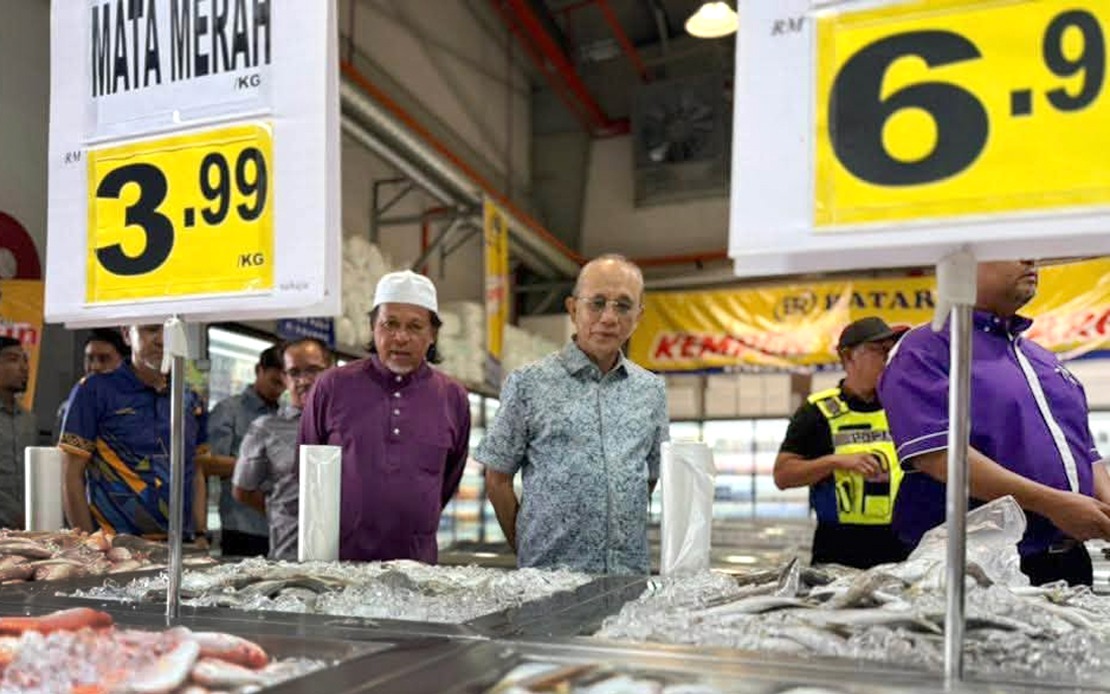
Consumers throughout Sabah now have access to significantly cheaper fresh produce through a three-month price reduction campaign launched by Bataras Supermarket, demonstrating growing private-sector participation in addressing Malaysia's cost-of-living challenges. The initiative, which extends from now through October 31, makes 30 categories of fresh items available at discounts ranging from five to 30 per cent across the company's entire network in the state.
The Ministry of Domestic Trade and Cost of Living (KPDN) unveiled the scheme at the Papar Bataras Supermarket, with Pantai Manis state assemblyman Datuk Pengiran Saifuddin Pengiran Tahir presiding over the formal launch. KPDN's backing underscores the government's prioritisation of enlisting private retailers as partners in tackling affordability pressures that continue to weigh on household budgets across Malaysia. The campaign reflects a broader policy approach emphasising collaboration between public institutions, commercial enterprises, and communities to sustainably manage living costs.
For Sabah consumers, the campaign represents a tangible opportunity to reduce expenditure on essential groceries without compromising dietary quality. Fresh produce—including vegetables, fruits, and perishables—constitutes a substantial portion of routine household shopping, making price reductions in these categories particularly impactful for middle and lower-income families. By offering multiple price tiers, Bataras enables shoppers to budget more effectively while maintaining access to nutritious, perishable foods that form the foundation of healthy family meals.
Bataras Sdn Bhd, a locally-rooted enterprise with roots extending back to 1998, operates 58 supermarket branches throughout Sabah, positioning it as a significant retail presence in the state's commercial landscape. The company's willingness to voluntarily compress margins on fresh produce signals recognition that consumer purchasing power directly influences retail demand patterns. For Bataras, the campaign functions simultaneously as a cost-of-living intervention and a strategic business move to drive foot traffic and build customer loyalty during a competitive retail environment.
KPDN framed the initiative within the government's broader "whole-of-nation approach" to cost-of-living pressures, a framework emphasising that no single entity—whether state or market—can resolve affordability challenges alone. This philosophy has gained prominence across Southeast Asia as governments grapple with inflationary pressures stemming from global supply chain disruptions, energy price volatility, and currency fluctuations. Malaysia's adoption of multi-stakeholder engagement reflects regional trends toward public-private partnerships in addressing welfare concerns.
The ministry explicitly called for expansion and replication of Bataras's model among other retail operators, particularly supermarket chains and smaller retail sub-sectors. Such appeals carry implicit regulatory weight; retailers monitoring government statements understand that demonstrated willingness to support cost-of-living relief may influence future licensing decisions, tax treatments, or regulatory flexibility. This creates incentives for competitors to launch similar programmes, potentially multiplying the campaign's consumer benefits beyond Bataras's current footprint.
For Sabah specifically, the campaign addresses regional economic challenges distinct from peninsular Malaysia. Sabah's geographic remoteness, reliance on imported goods, and smaller domestic economy often result in higher retail prices than western Malaysia. Supply chain costs, transportation expenses, and limited wholesale competition in certain categories typically translate to consumer prices that exceed national averages. Bataras's initiative therefore carries heightened significance for Sabah residents, many of whom experience cost-of-living pressures more acutely than their counterparts in more economically developed regions.
The three-month timeframe through October 31 suggests the campaign may align with fiscal planning cycles or promotional calendars within Bataras's corporate strategy. Autumn months in Malaysia typically see seasonal fluctuations in produce availability and pricing, particularly for agricultural products subject to monsoon-related harvesting patterns. By timing the campaign to conclude by October's end, Bataras may be positioning itself to capture pre-year-end holiday shopping demand while managing inventory and margin pressures associated with seasonal supply variations.
Beyond immediate consumer savings, the campaign carries broader implications for retail competition and market dynamics in Sabah. When established retailers voluntarily reduce prices on high-turnover fresh produce categories, smaller competitors and traditional wet markets may experience increased pressure to match prices or risk losing customers. This competitive ripple effect could paradoxically amplify the campaign's impact beyond Bataras locations, as price competition spreads across retail channels. However, such pressure also raises questions about sustainability—whether smaller retailers can absorb margin compression without compromising employment conditions or product quality.
The KPDN's public endorsement and emphasis on corporate responsibility signals government expectations that major retailers will view cost-of-living relief as part of their social contract with consumers and communities. This framing elevates the campaign from mere commercial promotion to quasi-civic obligation, suggesting regulatory environments may increasingly reward retailers demonstrating tangible commitment to affordability goals. For multinational and large domestic retailers operating across Malaysia, such signals create performance expectations that extend beyond profit maximisation to social welfare considerations.
Looking forward, the campaign's success—measured by consumer uptake, sales volumes, and competitive responses—will likely influence whether KPDN pursues similar initiatives with other retail chains or sectors. Should Bataras report positive results, the model may be extended to additional product categories, geographic regions, or extended timelines. Conversely, if margin pressures or supply constraints emerge, the campaign could provide cautionary insights about the practicality of sustaining long-term price reductions across fresh produce categories sensitive to input cost volatility.
For Malaysian consumers beyond Sabah, the Bataras campaign exemplifies how localised retail initiatives contribute to the national cost-of-living narrative. While regional variations mean that pricing strategies in Sabah may not directly transfer to peninsular Malaysia, the underlying principle—that private retailers can serve public welfare objectives through strategic pricing—resonates across the country. As cost-of-living remains a dominant policy concern, initiatives like Bataras's demonstrate tangible mechanisms through which government-private sector collaboration can deliver immediate consumer benefits, potentially offering blueprints for broader retail sector engagement in affordability challenges.

