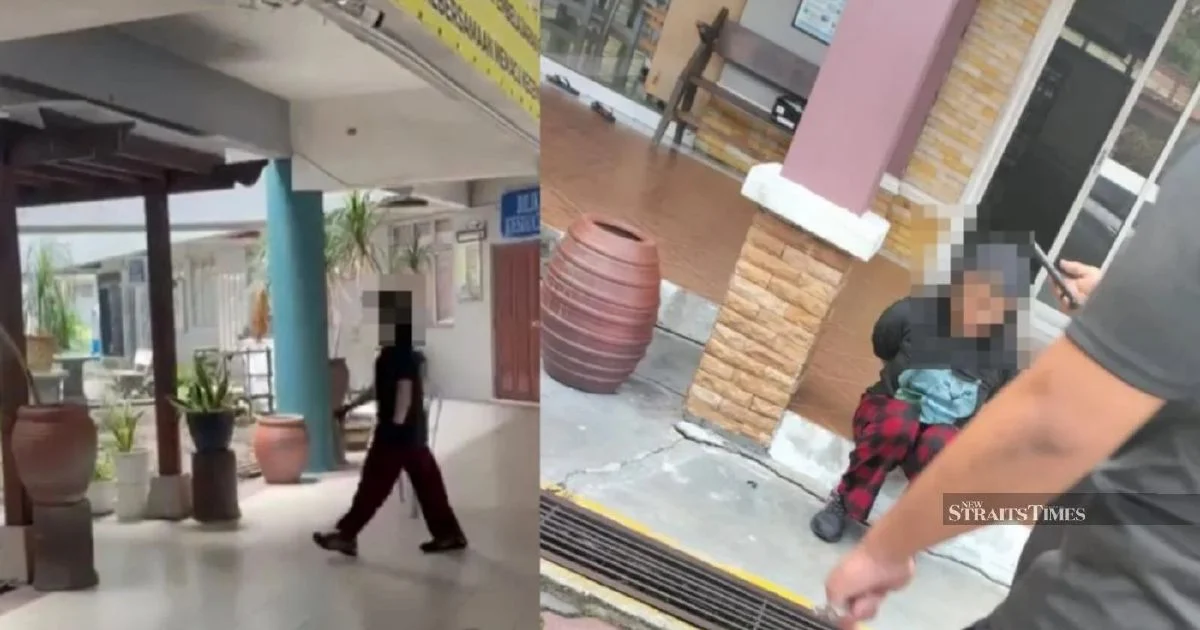
A teenager arrested in connection with a stabbing incident at a secondary school in Banting has been ordered remanded for a four-day period, police confirmed in Kuala Lumpur. The arrest comes after a 15-year-old student was wounded in what authorities are treating as a serious criminal matter requiring further investigation.
The remand order signals that investigators require additional time to gather evidence and conduct further questioning of the suspect. Such detention periods are typically sought when police believe they need more time to establish the sequence of events, identify witnesses, and determine the precise circumstances surrounding the assault. The four-day window represents a standard early-stage detention order in Malaysia's criminal procedure framework.
Incidents of inter-student violence at schools remain a concern for parents, educators, and law enforcement across Selangor and the wider Klang Valley region. The Banting case highlights ongoing challenges with school safety and the potential for disputes between young people to escalate into physical confrontation. Educational institutions have come under scrutiny in recent years following various reports of bullying, gang-related tensions, and violence on campus or in school vicinity areas.
The victim in this case, a 15-year-old student, suffered injuries from the stabbing. The extent of the teenager's injuries and current medical condition have not been fully detailed, though such incidents typically result in hospitalisation and ongoing medical assessment. Parents of students in schools across the region may feel heightened concern about their children's safety following such incidents becoming public knowledge.
Police investigations at this stage typically involve interviews with the suspect, medical examination of both victim and accused, collection of physical evidence from the scene, and statements from potential witnesses who may have observed the altercation. Forensic analysis of the weapon used in the incident would form a critical component of the investigative process. School administrators are likely cooperating with law enforcement to provide background information and context about any potential conflicts between students.
The remand period allows investigating officers to construct a comprehensive account of what occurred before the incident, including any prior disputes or confrontations between the two teenagers. Understanding the motivation behind the attack—whether it stemmed from peer rivalry, gang activity, or personal conflict—remains crucial to the police investigation. Authorities will also examine whether the suspect acted alone or whether others were involved in or aware of the incident beforehand.
Criminal charges against juvenile suspects in Malaysia are typically handled through the Juvenile Court system, which operates with different procedures and sentencing frameworks compared to adult criminal courts. The age of the suspect—remaining below the adult threshold—will significantly influence how the case proceeds through the legal system and what penalties may ultimately apply if the individual is convicted. Rehabilitation and welfare considerations often feature prominently in juvenile justice proceedings.
The Banting incident comes against a backdrop of ongoing discussions about youth behaviour, discipline in schools, and access to weapons among teenagers. Educational authorities and community leaders periodically emphasise the importance of conflict resolution programmes, counselling services, and early intervention when student tensions begin to escalate. Many schools have implemented protocols for identifying and addressing bullying or interpersonal conflicts before they manifest as violence.
Parents in the Banting area and surrounding schools will likely seek reassurance from education authorities and police regarding security measures. Many Malaysian secondary institutions have strengthened campus monitoring, installed security systems, and trained staff in emergency response procedures. The incident serves as a reminder of the need for sustained investment in school safety infrastructure and mental health support services for students experiencing conflict or emotional distress.
Once the remand period concludes, police will determine their next course of action, which could involve extending the remand if further investigation is required, recommending the suspect for prosecution in Juvenile Court, or releasing the teenager pending further inquiries. The exact timeline for the case progressing through court will depend on evidence strength, witness availability, and the complexity of establishing circumstances surrounding the stabbing. Legal representatives for both the victim's family and the suspect will become involved as proceedings advance through the justice system.

