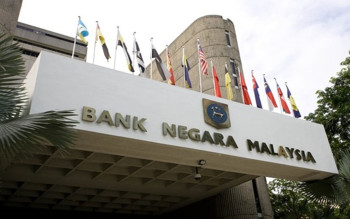
Bank Negara Malaysia dispatched five formal warning letters to Tabung Haji's chairman and the Minister of Religious Affairs about the pilgrimage fund's deteriorating financial condition, according to a parliamentary disclosure by the Minister in the Prime Minister's Department (Religious Affairs), Dr Zulkifli Hasan. The letters specifically flagged the growing disparity between TH's assets and liabilities as a systemic threat to Malaysia's broader financial stability. Despite the gravity of these communications from the country's central bank, TH's leadership apparatus chose to disregard them entirely, allowing the institution to persist in what BNM characterised as violations of financial regulations.
Dr Zulkifli outlined this troubling history during a Dewan Rakyat session devoted to examining the Royal Commission of Inquiry findings on TH. The minister stressed that immediate corrective action had been imperative at that juncture to prevent further deterioration and ensure regulatory compliance. The central bank's escalation through repeated warnings underscored the severity of TH's predicament and the urgency with which authorities viewed the situation. Had these admonitions been heeded, subsequent complications and the reputational damage to the institution might have been substantially mitigated.
Following the unheeded central bank warnings, the Auditor-General delivered its own rebuke via the 2017 Financial Statements Report. The Auditor-General's office highlighted concerning modifications to TH's impairment accounting methodology and flagged that policy adjustments had been introduced twice within a single year. These alterations appeared designed to artificially inflate reported profitability figures for 2017, suggesting that TH's financial reporting had become compromised by internal pressures to present a rosier picture than underlying conditions warranted. This pattern of accounting adjustments raised fundamental questions about the integrity of TH's internal control environment and the governance oversight that should have prevented such irregularities.
Recognising the mounting evidence of mismanagement, TH's reconstituted board took decisive action in 2018 by engaging PricewaterhouseCoopers, a multinational accounting and consulting powerhouse, to conduct an independent forensic assessment. PwC's mandate encompassed a comprehensive revaluation of TH's true financial position and operational performance, employing rigorous, internationally recognised accounting methodologies. This engagement marked a turning point in bringing transparency to TH's actual condition after years of internal opacity and regulatory concerns.
The findings delivered by PwC proved alarming and vindicated the concerns raised by both BNM and the Auditor-General. PwC's investigation confirmed that financial manipulation had indeed occurred within TH's reporting structures. Most strikingly, the audit revealed that merely RM556 million of TH's declared RM4.6 billion asset base had undergone professional valuation. The remaining assets—representing approximately 88 per cent of the total—lacked proper third-party verification, indicating that TH's true net position was substantially worse than public disclosures had suggested. This discrepancy between reported and verified assets illustrated the magnitude of accountability failures within the institution.
The full extent of TH's governance and operational deficiencies emerged through the Royal Commission of Inquiry process initiated by the government in 2021. The RCI formally commenced operations following the appointment of its members on 20 January 2022, tasked with investigating the root causes of TH's financial deterioration. On 30 August 2022, the completed 211-page inquiry report was presented to the Yang di-Pertuan Agong. The document's subsequent public release on 29 July represented a watershed moment in institutional accountability, as the RCI laid bare weaknesses spanning TH's management practices, operational procedures, and governance structures during the critical 2014–2020 period.
Within its comprehensive analysis, the RCI formulated 25 distinct recommendations aimed at fortifying TH's operational and financial frameworks going forward. These recommendations addressed systemic vulnerabilities that had enabled the problems documented throughout the inquiry. By the conclusion of July 2023, TH management had already implemented three-quarters of these recommendations, indicating a genuine commitment to remedial action and demonstrating responsiveness to the RCI's findings. This implementation rate suggests that TH's new leadership recognises the necessity of fundamental reform to restore stakeholder confidence and regulatory standing.
The implications of TH's financial crisis extend well beyond the institution itself. For Malaysian citizens, particularly the millions who have contributed to TH savings accounts for Hajj pilgrimage purposes, the revelations underscore the critical importance of robust regulatory oversight and transparent financial governance within bodies managing public assets. The affair illustrates how institutional complacency, combined with weak internal controls and leadership indifference to regulatory warnings, can precipitate crises affecting ordinary Malaysians' savings and retirement aspirations. Furthermore, the episode highlights systemic weaknesses in how Malaysia monitors large financial institutions and enforces compliance with central bank directives.
The broader Southeast Asian context adds another dimension to TH's experience. Religious endowments and pilgrimage funds operate across multiple Muslim-majority nations in the region, and many share similar governance challenges. TH's documented problems—inadequate asset valuation, accounting policy manipulation, and resistance to regulatory guidance—represent cautionary lessons applicable to comparable institutions throughout Southeast Asia. As the region's economies become increasingly integrated, financial stability concerns in one jurisdiction can ripple across borders, making TH's recovery trajectory relevant to policymakers and financial regulators across the Association of Southeast Asian Nations.
Moving forward, TH faces the dual challenge of completing its reform programme while rebuilding public trust. The institution manages approximately RM80 billion in assets held in trust for around nine million Malaysian Muslims, making its stabilisation a matter of genuine national economic importance. The RCI's recommendations, if fully and conscientiously implemented, should address the governance and accounting weaknesses that created the crisis. However, successful restoration will depend on sustained management commitment, continuous regulatory vigilance from BNM, and transparent communication with account holders about progress towards financial health and compliance with international accounting standards.

