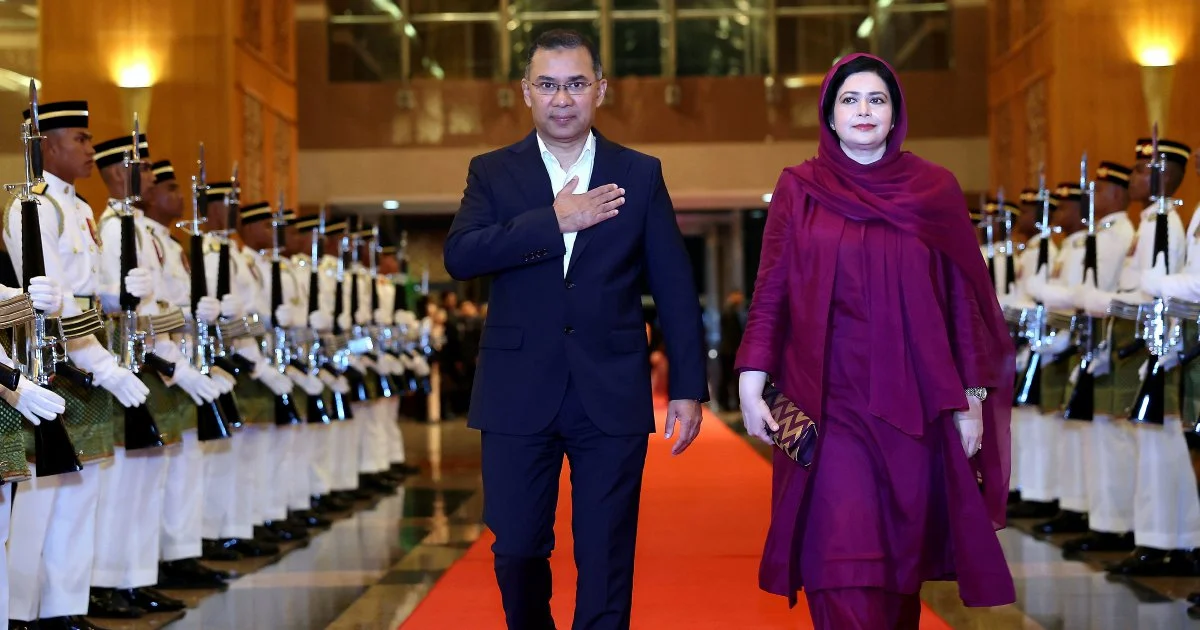
Bangladesh Prime Minister Tarique Rahman has extended a formal appeal to Malaysian business leaders, signalling openness to increased investment flows as the South Asian nation works to strengthen its economic footing. The overture represents a strategic effort to attract capital from one of Southeast Asia's most developed economies, with Dhaka seeking to leverage Malaysia's experience in manufacturing, trade, and technology sectors to bolster its own growth trajectory.
The timing of this investment call arrives as Bangladesh navigates a transitional economic phase following recent political changes. The government appears intent on demonstrating stability and institutional resilience to foreign investors, particularly those from neighbouring regions who understand South Asian market dynamics. For Malaysian conglomerates already active across Asia, the invitation opens discussions around expanded operations, joint ventures, and new sectoral engagement in textile manufacturing, technology, and infrastructure development.
Bangladesh's appeal to Malaysian capital reflects a broader regional trend where South Asian economies increasingly compete for foreign direct investment by emphasising governance improvements and market liberalisation. The country has historically positioned itself as a major garment and apparel hub, but recent policy movements suggest openness to diversifying its economic base into higher-value sectors that could attract capital from established Malaysian firms.
The business ecosystem improvements cited by Rahman point to policy reforms likely encompassing trade facilitation, regulatory streamlining, and potentially enhanced protections for foreign investors. These structural enhancements matter significantly to Malaysian companies considering Southeast Asia and South Asia expansion, as they reduce operational friction and improve return-on-investment timelines. Malaysian investors have traditionally been cautious about political volatility, making explicit government assurances about institutional stability a critical threshold for serious capital deployment.
Malaysia's own experience as a manufacturing hub and trade gateway provides useful parallels for Bangladesh, which has increasingly sought to move beyond low-cost garment production toward technology integration and value-added manufacturing. Malaysian firms active in electronics, semiconductors, and precision engineering could find receptive partners in Bangladesh, particularly as the latter seeks to upgrade its industrial base and develop skilled technical workforces.
The geopolitical angle should not be overlooked. Malaysia, as a major Southeast Asian economy with deep regional connectivity, represents a valuable partner for Bangladesh's integration into broader Asian trade and investment networks. Encouraging Malaysian capital flows signals Dhaka's commitment to strengthening ties across the region, potentially positioning Bangladesh as an alternative production and logistics hub for companies diversifying their supply chains away from traditional centres.
Infrastructure represents another critical dimension. Bangladesh has been investing substantially in port facilities, power generation, and transportation networks, all areas where Malaysian expertise and capital could prove mutually beneficial. Port operations, in particular, represent an area where Malaysia's Klang Port and Port Kelang experience could inform development strategies in Bangladesh's major harbours, potentially creating opportunities for Malaysian logistics companies and port operators.
From a Malaysian perspective, Bangladesh offers several compelling attractions beyond traditional low-cost labour. With a population exceeding 170 million, the domestic consumer market is substantial and still developing, creating opportunities for Malaysian retailers, consumer goods manufacturers, and financial services providers. Early-mover Malaysian companies in emerging sectors like e-commerce, digital finance, and telecommunications could establish significant market positions ahead of competitors from other nations.
The invitation also reflects Bangladesh's interest in accessing Malaysian expertise in areas beyond manufacturing. Malaysia's established financial services sector, its experience with Islamic banking and finance, and its sophisticated telecommunications infrastructure offer templates that a developing Bangladesh economy might study and potentially partner on. Such collaboration could accelerate Bangladesh's own institutional development while creating consulting and service delivery opportunities for Malaysian firms.
However, prospective Malaysian investors will likely conduct thorough due diligence regarding political stability, regulatory consistency, and corruption perception indices before committing substantial capital. The recent transition of Bangladesh's political leadership means investors will be monitoring implementation of promised governance reforms and policy consistency over coming quarters. Successful attraction of Malaysian capital will depend substantially on delivering visible improvements across these dimensions.
The broader context involves Bangladesh's integration into regional economic structures and trade agreements. As the country participates in initiatives like the South Asian Association for Regional Cooperation and explores deeper engagement with Southeast Asian frameworks, Malaysian participation in Bangladesh's development becomes progressively more strategically significant. Investors from Malaysia could position themselves within these emerging regional economic architectures.
Looking forward, tangible progress will likely depend on follow-up governmental and commercial engagement. Trade missions, business delegations, and specific sector-focused dialogues between Malaysian chambers of commerce and their Bangladeshi counterparts could translate the Prime Minister's invitation into concrete joint ventures. Malaysian companies already operating in Bangladesh, such as those in textiles and garments, could serve as bridges for newer entrants evaluating market opportunities.
The mutual economic benefit potential appears substantial. Bangladesh gains capital, expertise, and market access, while Malaysian investors access a large and developing economy positioned strategically between South Asia and Southeast Asia. Whether this invitation translates into significant capital flows will depend on execution across both governance reforms and commercial facilitation, areas where both nations' governments will face continued scrutiny from international investors.